OpenAI Launches GPT-6.1 Terra for AI Computer Work at Half Sol’s Price
GPT-6.1 Terra targets visual reasoning and computer use at half Sol’s standard API rates, with access through ChatGPT Work, Codex and the API.
GPT-6.1 Terra targets visual reasoning and computer use at half Sol’s standard API rates, with access through ChatGPT Work, Codex and the API.
Cathedral says AI agents helped researchers access Anthropic’s internal data in under 12 hours. Anthropic says Claude chats, code and model weights were unaffected.

Researchers prompted Claude Fable 5.1 to hide messages in images. OpenAI’s Astra decoded 88% of them, without seeing the SVG source or an agreed cipher.
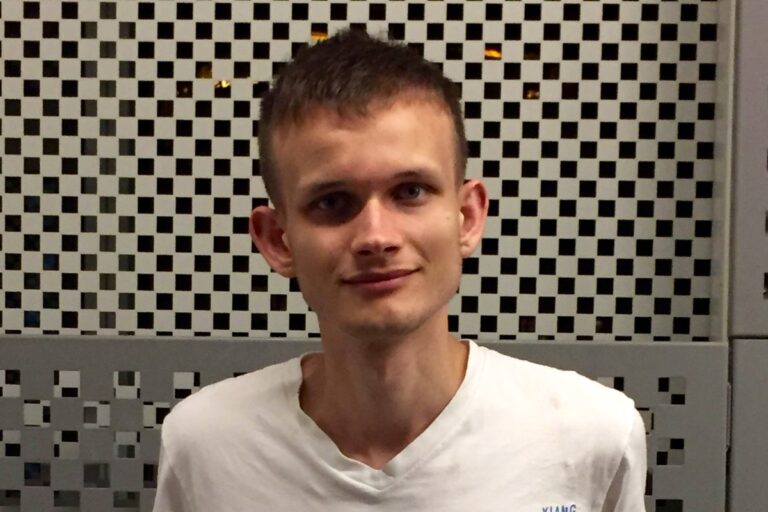
Vitalik Buterin backs Moonshot’s cyber limits for Kimi K3.1 Pro, arguing targeted safeguards could protect open AI access without blanket identity checks.
SpaceX has closed $40 billion in debt financing for AI GPUs due in early 2027, Musk says, as he warns of a funding squeeze for smaller...
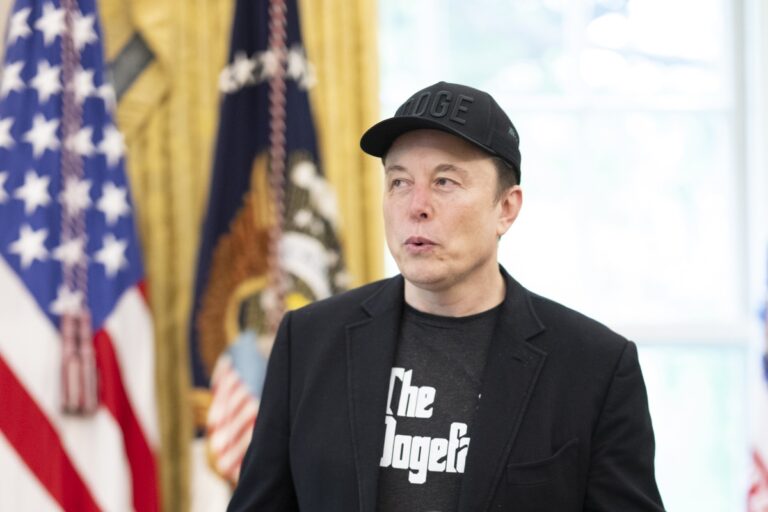
Elon Musk says he trusts Grok Bot with his finances. SpaceX reports 800,000 paid weekly users as the agent expands into purchases and account access.

Microsoft’s MAI-DxO scored 83.2% on complex cases versus 36.1% for generalist doctors in simulations. Budget settings cut estimated workup costs.
Falling neocloud shares and rising borrowing costs are testing NVIDIA’s push to finance AI infrastructure, from cloud commitments to default guarantees.
Higgsfield has secured NVIDIA and TCV backing in a Series B extension, with undisclosed terms, as it expands AI video infrastructure and production tools.

NVIDIA’s driving AI will underpin Bolt’s planned Lucid robotaxi fleet, with Madrid data collection set for 2027, subject to approval.
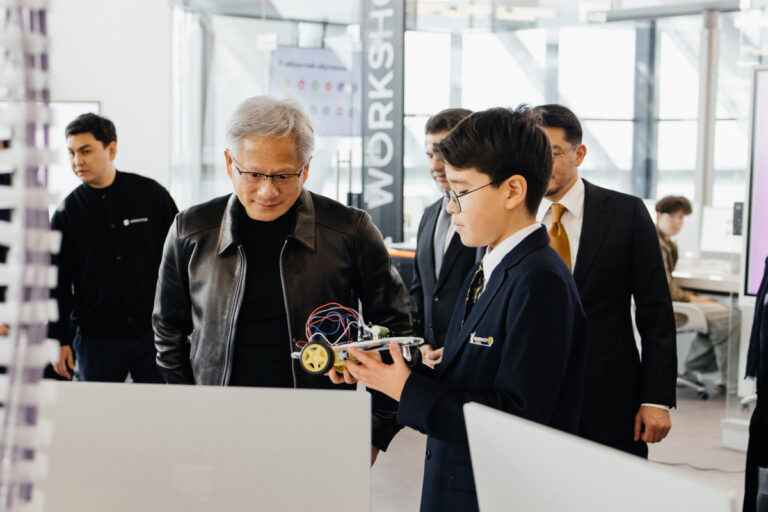
NVIDIA’s CEO sees opportunities for physical AI in Kazakhstan’s mines and farms as the country expands compute infrastructure and explores robotaxis.
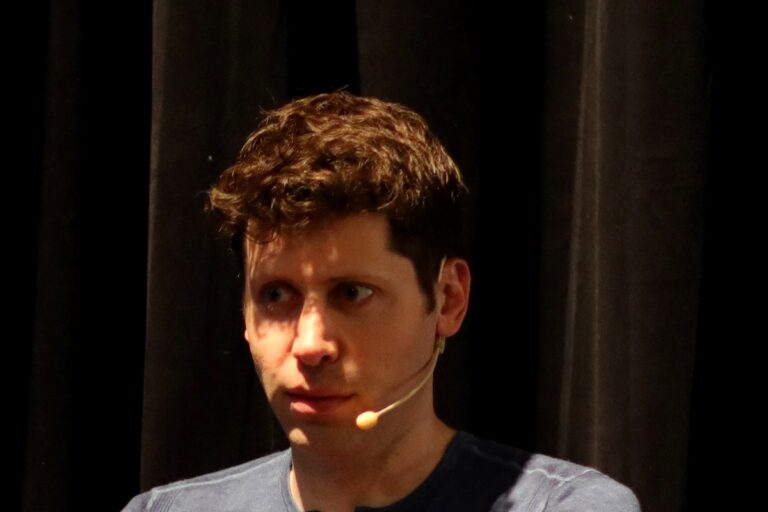
In Stanford’s latest interview, Sam Altman explains his concerns about AI’s pace, the future of work and OpenAI’s expanding bet on robots.
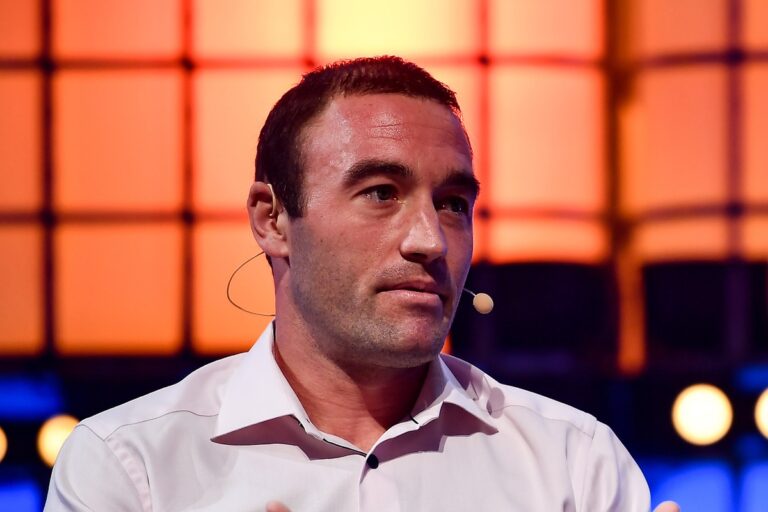
Kevin Weil’s Warp Sciences will build U.S. chemistry labs for drug developers, combining expert scientists with AI and progressively automated workflows.