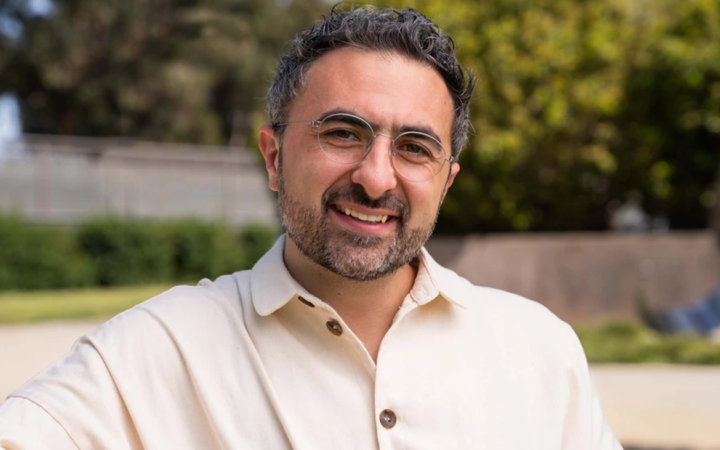

Bilal Chughtai, a research engineer who worked on AGI safety and alignment at Google DeepMind, announced his resignation this week in posts on X and LinkedIn.
“I earnestly believe that AI has the potential to kill us all, and that we might be running out of time to avoid this outcome,” Chughtai wrote. He left DeepMind in July, according to his LinkedIn profile, though his public statement came only this week.
Chughtai said he witnessed AI development firsthand at Google and remains “extremely concerned by the default trajectory of this technology.”
His prescription is narrower than his warning suggests. Chughtai said navigating the risk safely is still achievable, but only with coordination “to avoid this manic race between AI companies,” and with development paced “to a speed that society can handle,” addressing emerging risks before they cause irreversible harm.
He indicated his future work will focus on navigating these risks rather than avoiding AI development altogether. Google did not respond to a request for comment.
Part of a Widening Pattern
Chughtai’s departure is the latest in a string of similar exits and public statements from AI safety researchers in recent weeks.
Last week, Anthropic researcher Jacob Coxon resigned, saying both Anthropic and OpenAI are racing toward self-improving superintelligence “without acting responsibly.” Anthropic’s Alignment Science Lead, Evan Hubinger, publicly backed Coxon’s warning, saying he personally estimates a “greater than 10%” chance AI could kill all humans within the next decade.
Geoffrey Hinton, the AI pioneer often called a “godfather” of the field, has separately said that figure is “not unreasonable.”
Chughtai’s warning arrived roughly a week after Anthropic CEO Dario Amodei published an essay titled “We Must Pace the Frontier,” arguing the industry needs to slow capability gains so safety work can keep up, a call that drew public support from OpenAI CEO Sam Altman and Elon Musk.
What distinguishes Chughtai’s statement is its source: unlike Amodei, a chief executive with a company to position, Chughtai spoke as a departed researcher at a rival lab, with his call to pace development “to a speed society can handle” echoing similar language independent of any corporate stake in the outcome.
Not Everyone Agrees
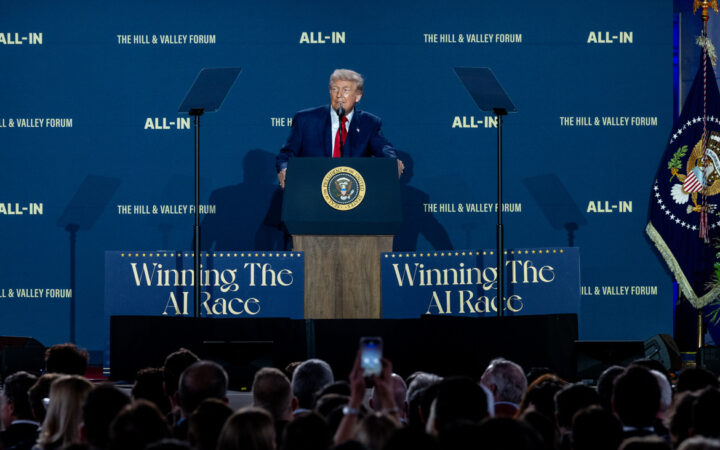
The debate remains genuinely contested. President Trump has publicly dismissed these warnings, calling industry regulatory advocacy around catastrophic AI risk a “hoax.”
The split reflects a broader divide in how AI’s risks are understood: some view existential, future-oriented dangers as the primary concern, while others argue attention should focus on documented, present-day harms from AI systems already deployed by businesses and governments.
Chughtai’s intervention adds another voice from inside a major AI lab to a debate that increasingly spans corporate leadership, rank-and-file researchers, and political figures with sharply differing views on how seriously to weigh the risk.
Disclaimer: AIstify is an independent media brand owned and operated by NuvexMedia LLC, publishing news, research, and insights on artificial intelligence, emerging technologies, automation, and related industries. NuvexMedia LLC invests in and collaborates with companies across the AI, technology, software, and digital innovation sectors. These relationships do not influence AIstify’s editorial coverage, and the publication maintains full editorial independence to provide accurate, timely, and objective information. © 2026 NuvexMedia LLC. All rights reserved. This content is for informational purposes only and should not be considered legal, tax, investment, financial, or other professional advice.