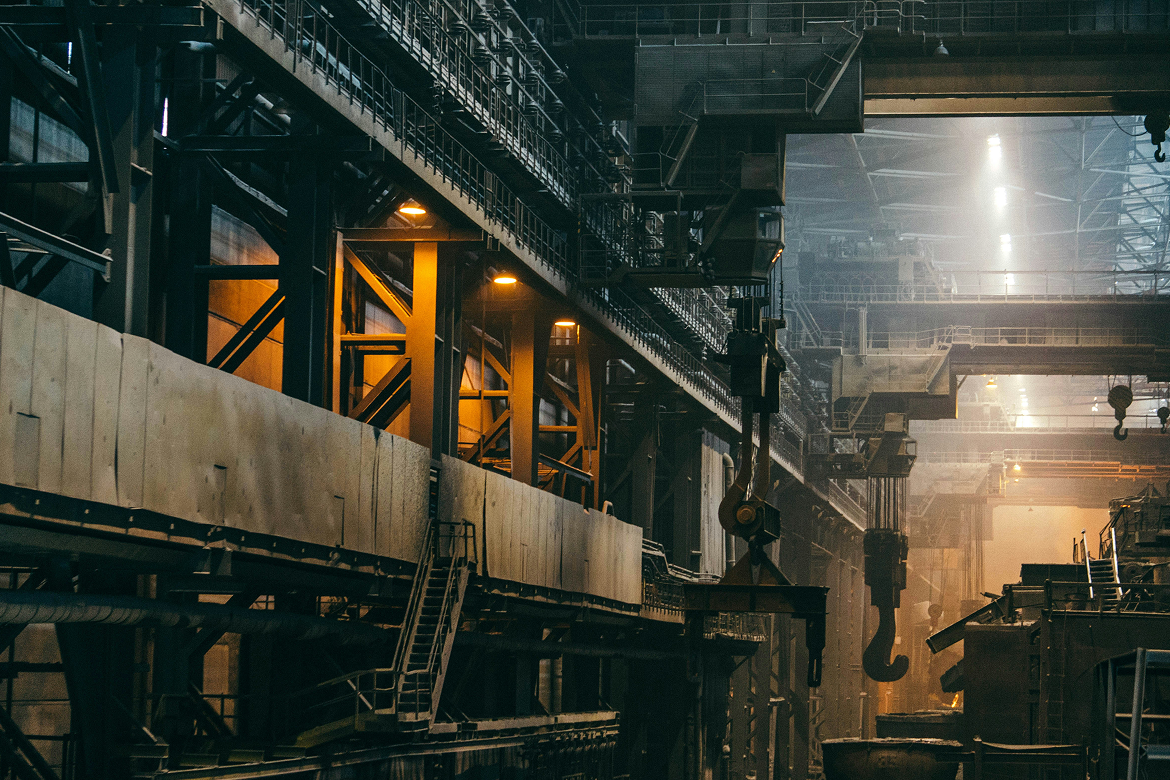
Accenture, Nvidia, and Stellantis Scale AI Digital Twin Initiative
Accenture has expanded its collaboration with Stellantis and Nvidia to build AI-powered digital twins for automotive manufacturing.
Insights into robotaxis, autonomous vehicles, electric mobility, drones and smart transport infrastructure. Follow the companies, policies and innovations steering the shift toward safer, cleaner and more efficient movement of people and goods. This category captures the rapid evolution of mobility ecosystems as AI, connectivity and electrification converge in global transport.
Accenture has expanded its collaboration with Stellantis and Nvidia to build AI-powered digital twins for automotive manufacturing.
Tesla has registered its AI-powered voice assistant with Chinese regulators, marking progress in a tightly controlled market. The move comes as competition intensifies among EV makers in China.
Saronic raised $1.75 billion to expand production of autonomous naval vessels amid rising demand for AI-driven defense systems.
Nikola founder Trevor Milton is raising $1 billion to build AI-powered business jets after acquiring SyberJet. The effort follows his pardon and comes with significant technical and financial risks.
Chinese AI startup Stepfun secured $719 million to accelerate foundational model development, AI agents, and AI-driven products in collaboration with Geely.
Elon Musk said Tesla is restarting development of its Dojo3 supercomputer to support AI training, after previously pausing the project to focus on in-vehicle AI chips.
U.S. auto safety regulators granted Tesla a five-week extension to respond to an investigation into whether its Full Self-Driving system violates traffic laws during operation.
PlusAI will begin Southern Europe’s first heavy-duty autonomous truck testing program with Iveco in Spain. The project supports the company’s expansion in Europe ahead of a planned Nasdaq listing.
Ford announced an AI assistant for its smartphone app, set to expand to vehicles in 2027. The company also previewed a next-generation BlueCruise system capable of eyes-off driving by 2028.
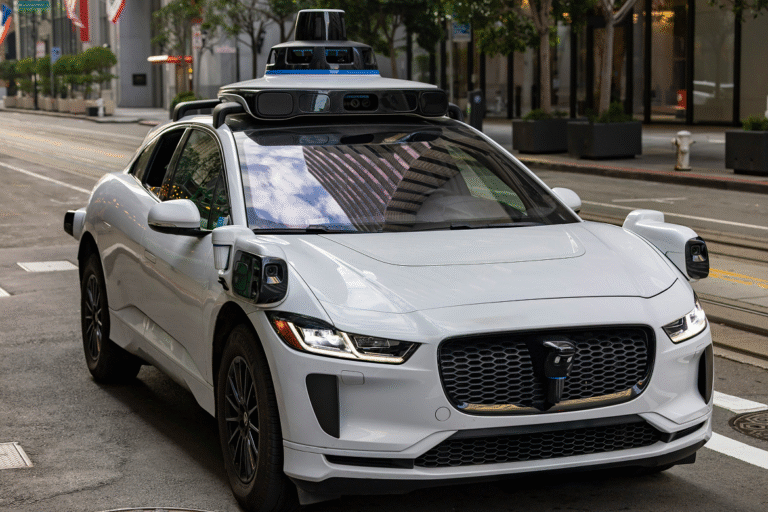
Waymo appears to be testing an in-car AI assistant powered by Google’s Gemini chatbot. The feature is designed to answer questions and manage limited cabin functions during rides.
A California administrative law judge ruled Tesla’s Autopilot and Full Self-Driving marketing deceptive, opening the door to possible license suspensions if claims are not corrected.
Robotaxis moved closer to mainstream use in 2025 as Waymo expanded rapidly in the U.S., rivals launched early services, and Chinese operators scaled at speed. Safety concerns, regulation, and cost remain key barriers to broader adoption.
Uber is recruiting professional travel agents to train AI systems for client travel-tech projects, while expanding its growing data intelligence business — signaling deeper ambitions to become core infrastructure for the global travel industry.
Riyadh Air, in collaboration with IBM, has launched as the world’s first AI-native airline, using AI-powered operations to transform employee and guest experiences while optimizing operational efficiency.
Gartner forecasts that just 5% of automakers will sustain AI growth by 2029, warning that most current enthusiasm is built on weak foundations, while robotics and automation reshape vehicle manufacturing.