Anthropic in Talks for Second $45 Billion Nscale Compute Deal
Anthropic is discussing another $45 billion Nscale agreement for West Virginia computing capacity, adding to an existing commitment as Claude demand grows.

Anthropic is the AI safety and research company behind Claude, building frontier AI models and enterprise tools focused on reliability, interpretability, and steerability.
Anthropic is a San Francisco-based artificial intelligence company best known for developing Claude, a family of large language models and AI assistants used across business, software development, research, productivity, and enterprise workflows. The company was founded in 2021 by former OpenAI employees, including Dario Amodei and Daniela Amodei, and has positioned itself as one of the leading frontier AI labs in the global generative AI market.
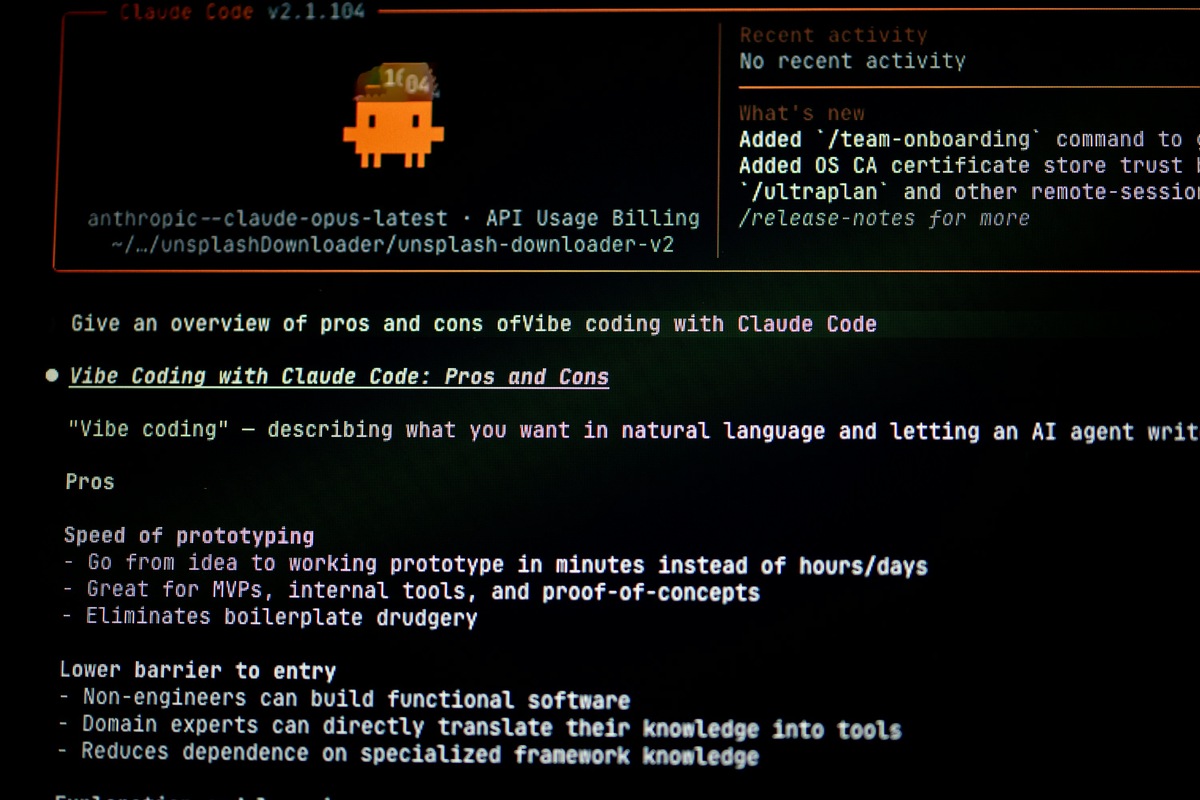
The company’s central product is Claude, an AI assistant designed for writing, analysis, coding, reasoning, document processing, and business automation. Claude is available through consumer-facing products, enterprise plans, developer APIs, and cloud partnerships. Anthropic has also expanded into specialized tools such as Claude Code, which supports software development tasks, and enterprise-focused deployments aimed at companies that want to integrate AI into internal operations without relying only on general-purpose chat interfaces.
Anthropic’s market position is closely tied to its focus on AI safety, reliability, and controllability. The company has emphasized research into model behavior, interpretability, alignment, and responsible deployment. This safety-first identity has helped distinguish Anthropic from other major AI labs, particularly as businesses and governments evaluate how to use powerful AI systems without creating unacceptable operational, security, or compliance risks.
The company operates as a private public benefit corporation and has attracted major backing from technology and financial investors. Amazon and Google have been among its most important strategic partners, helping support Anthropic’s cloud infrastructure and model distribution. The company has also raised large funding rounds from institutional investors, reflecting the intense capital requirements of frontier model development and the broader market demand for enterprise-grade AI systems.
Anthropic competes directly with OpenAI, Google DeepMind, Meta AI, Mistral AI, Cohere, xAI, and other companies building advanced AI models and developer platforms. Its strongest competitive position is in enterprise AI, AI coding, long-context reasoning, and organizations that prioritize safer AI deployment. Claude has become one of the most widely discussed alternatives to ChatGPT, particularly among businesses, developers, analysts, and professional users who need strong reasoning and document-handling capabilities.
Anthropic matters because it is one of the few companies with the research talent, capital access, infrastructure partnerships, and commercial traction needed to compete at the frontier of artificial intelligence. Its growth reflects a broader shift in the AI market from experimental chatbots toward enterprise AI platforms, autonomous coding tools, and model systems that can support increasingly complex business tasks. As AI adoption moves deeper into companies, Anthropic is likely to remain one of the most important firms shaping how advanced AI is built, governed, and deployed.
Claude API, Claude Console, model APIs, developer tools, enterprise deployment, and agentic coding tools.
Usage-based API pricing, consumer and professional subscriptions, team plans, enterprise contracts, and strategic cloud partnerships.
Anthropic is discussing another $45 billion Nscale agreement for West Virginia computing capacity, adding to an existing commitment as Claude demand grows.
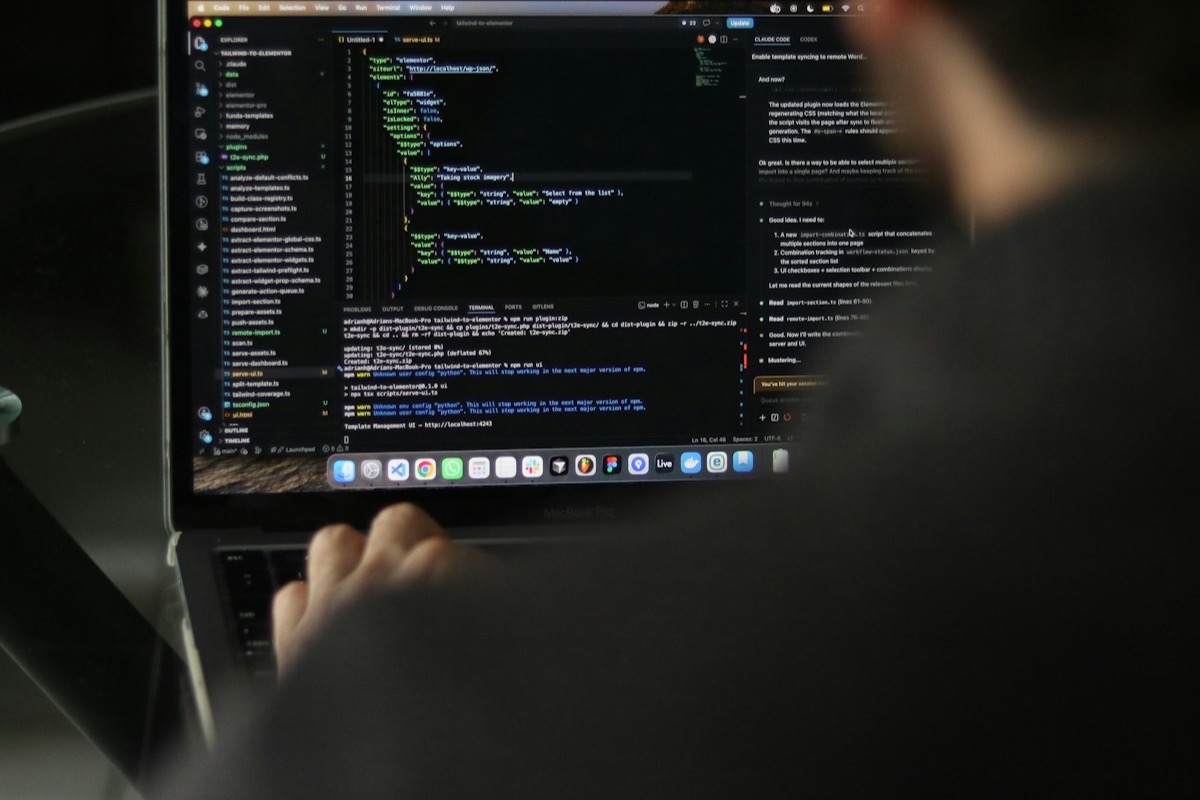
Anthropic says Claude-driven development pushed code changes past 30,000 a day, turning Git infrastructure into a bottleneck and leading to its new Scion source-control system.

Anthropic says its new Public Benefit Fund will begin with 5% of company shares and could grow with its valuation to support major grants and direct distributions.

Anthropic is reportedly consulting law firms on how Claude agents could negotiate prices, disputes and work terms while acting for human users.
Anthropic co-founder Jack Clark said an internal scenario puts US GDP at $44 trillion by 2030 if rapidly improving AI drives new industries and faster scientific discovery.
Anthropic’s draft federal AI bill would allow a court-ordered halt only when a frontier model poses an imminent risk of more than $1 billion in damage or over 50 deaths or serious injuries.

Anthropic says junior technical hires fell from 27% to 9% while employee-directed Claude agents logged six times more runtime than their human handlers.
Anthropic is expanding independent AI safety reviews, with deeper access for METR and separate work involving SecureBio and Accenture.
One user says Claude Code turned a 63-second video request into 161 Codex sessions—and kept the boss job. The screenshot shows a plan for 700 frames.

Anthropic reportedly grew quarterly revenue 45% to $16.8 billion and reached adjusted profitability, strengthening its AI-race pitch ahead of a possible November IPO.