
Google Cloud and Nvidia Expand Confidential AI Infrastructure
Google Cloud is extending Confidential Bare Metal support to Nvidia GB300-based A4X Max instances, adding protection for AI models and data.
NVIDIA is a leading AI infrastructure company providing GPUs, accelerated computing platforms, networking, and software used to train and deploy frontier AI systems.
NVIDIA is one of the most important companies in the AI economy, supplying the GPUs, networking systems, software libraries, and full-stack computing platforms used to train and run modern artificial intelligence models. Founded in 1993, the company moved from graphics processing into accelerated computing and became a central infrastructure provider for data centers, cloud providers, AI labs, enterprises, autonomous systems, robotics, and scientific computing.
Its AI business spans GPUs, CUDA, DGX systems, networking, inference software, robotics platforms, and domain-specific tools for healthcare, automotive, simulation, and enterprise workloads. As demand for generative AI and agentic systems has expanded, NVIDIA has become a core supplier for the compute layer behind many leading AI products and services.
CUDA, cuDNN, TensorRT, NIM microservices, NVIDIA AI Enterprise, Omniverse, Isaac, Jetson, and accelerated computing SDKs.
Hardware sales, data center systems, cloud partnerships, enterprise software licensing, developer tools, and ecosystem services.
Google Cloud is extending Confidential Bare Metal support to Nvidia GB300-based A4X Max instances, adding protection for AI models and data.
Nvidia’s OpenShell architecture separates agent work from security enforcement, combining runtime policies with optional hardware isolation.
Anthropic is discussing another $45 billion Nscale agreement for West Virginia computing capacity, adding to an existing commitment as Claude demand grows.
DeepSeek has released DeepInfer, its production inference engine, with support for V4.1 Flash on Nvidia SM100 and Huawei Ascend 950 hardware. The public release covers offline inference.

Germany has signed a joint declaration with Nvidia to advance industrial AI models for robotics, manufacturing and autonomous systems through its Industry 4.0 network.
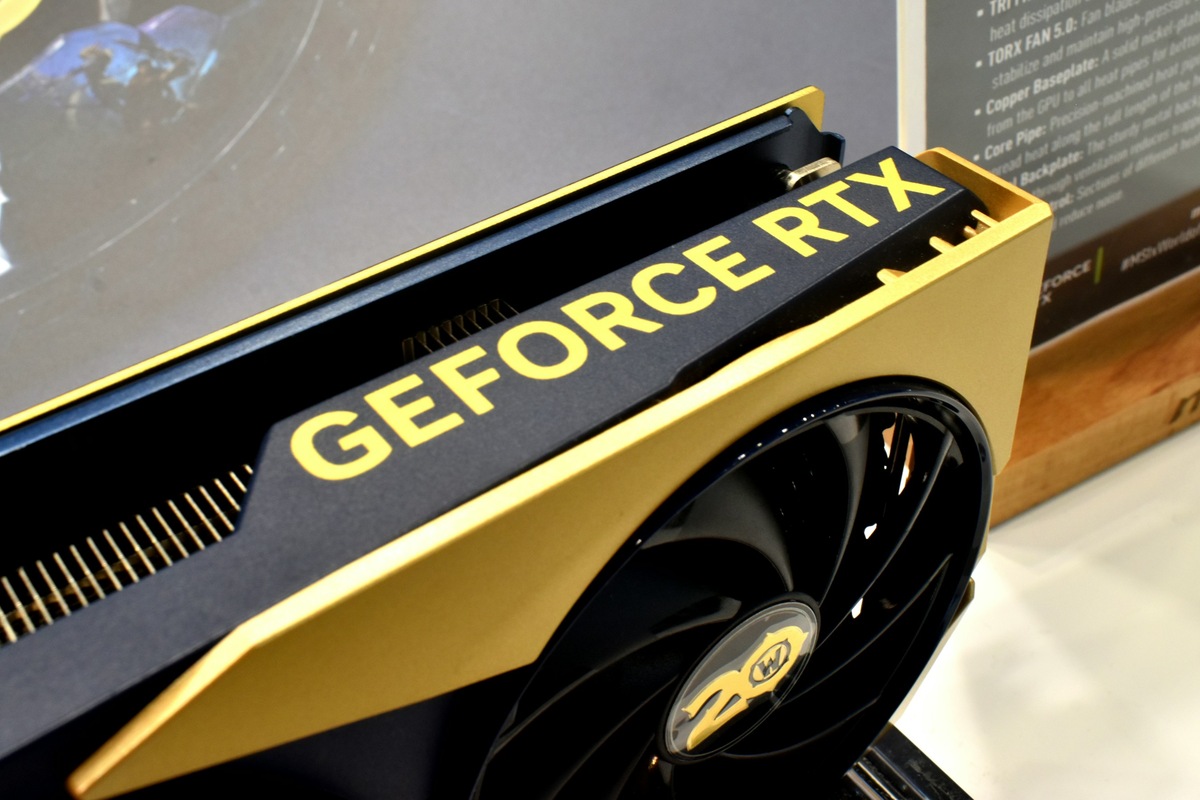
NVIDIA’s Nemotron 3.5 Super VL handles visual documents and agent workflows, while Bolt targets local AI in 24GB. A 4GB version arrives October 23.

Jensen Huang urges cooperation with Chinese AI researchers as the industry debates how to manage advanced systems and maintain effective human control.
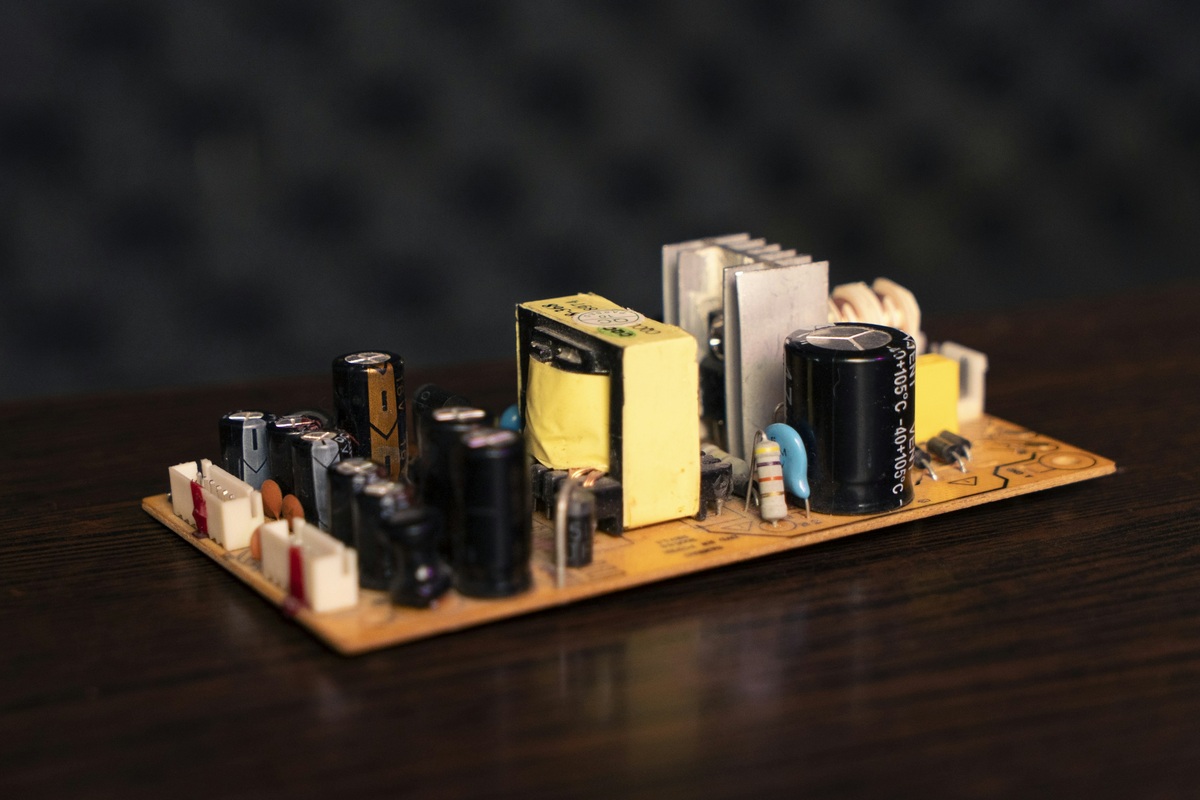
Navitas and Nvidia have developed a 24kW board that converts 800V to 12V in one stage, targeting more efficient power delivery for AI data centers.
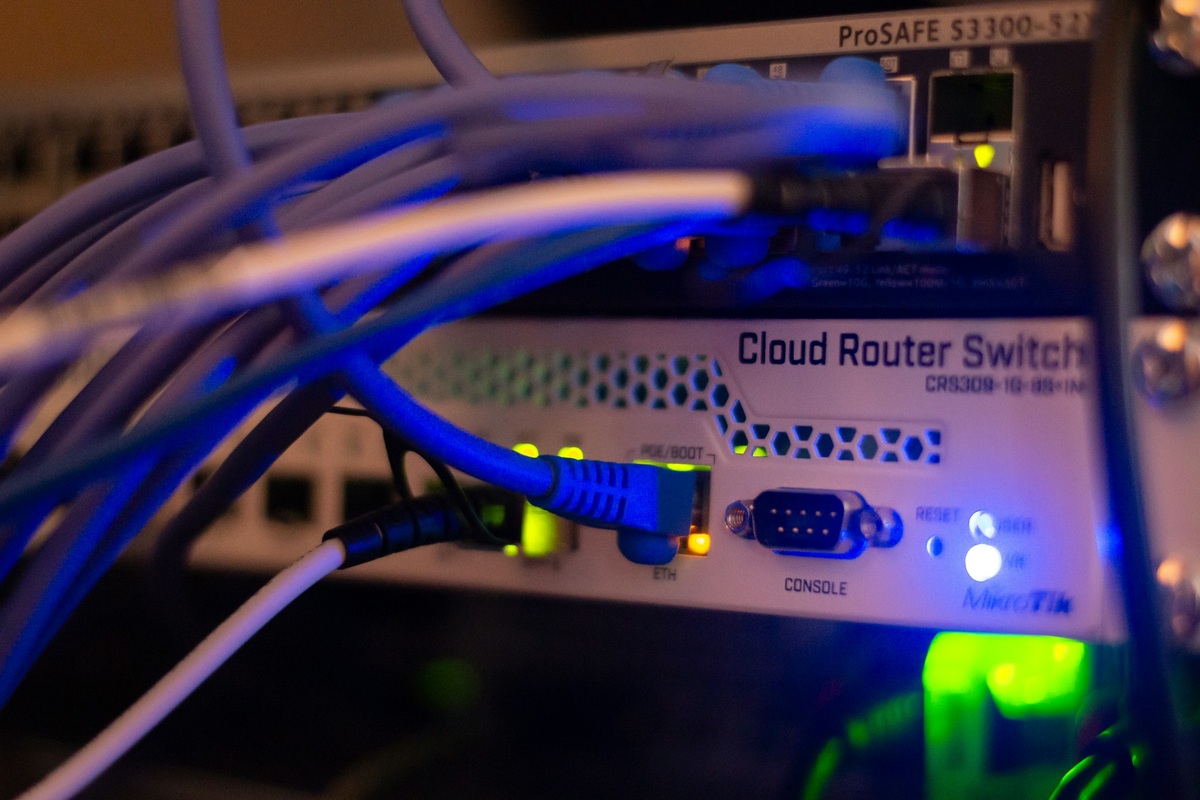
Nvidia and Cisco outline USFP optics for denser, more efficient AI networks, alongside new Cisco systems for scaling and managing data centers.
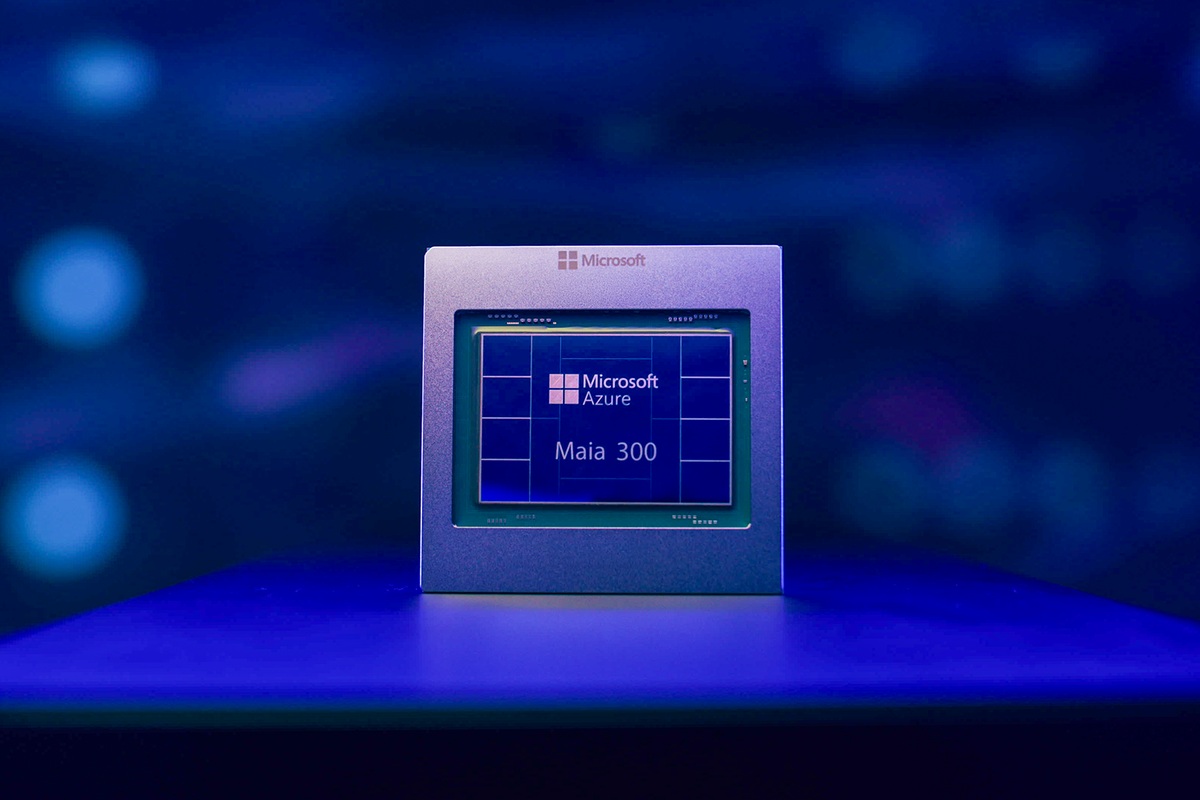
Microsoft plans to make Maia its primary AI inference system, with Maia 300 arriving in 2027 and a larger role for its homegrown chips.