Meta’s Muse Hits 10.9 Million Downloads as ChatGPT’s US Installs Fall 25%
Meta’s Muse is gaining downloads and daily users, while ChatGPT’s US installs decline. The figures sharpen the AI race without proving users are switching.

Meta AI is Meta Platforms' AI organization behind Llama, Meta AI assistant, generative media tools, and large-scale social and infrastructure AI systems.
Meta AI is Meta Platforms’ artificial intelligence organization, spanning foundational model research, product AI, recommendation systems, generative media, AI assistants, and infrastructure. The group grew from Facebook AI Research, launched in 2013, and now includes work across Meta AI, Llama models, AI glasses, social apps, and large-scale compute initiatives.
Meta AI is central to Meta’s strategy across Facebook, Instagram, WhatsApp, Messenger, Reality Labs, and enterprise developer ecosystems. The company has invested heavily in open model releases, recommendation systems, generative assistants, creator tools, AI infrastructure, and superintelligence research.
Llama model releases, Meta AI product integrations, research tools, open-source model tooling, and platform APIs across Meta products.
Advertising-supported products, hardware partnerships, developer ecosystems, enterprise partnerships, and internal AI infrastructure investment.
Meta’s Muse is gaining downloads and daily users, while ChatGPT’s US installs decline. The figures sharpen the AI race without proving users are switching.
Meta engineer Ali Hamie says AI-generated code can feel like a black box, sparking debate over review, testing and developers’ responsibility.

OpenAI and Meta warned a federal evidence panel that no universal tool can reliably authenticate every AI-generated image or video.
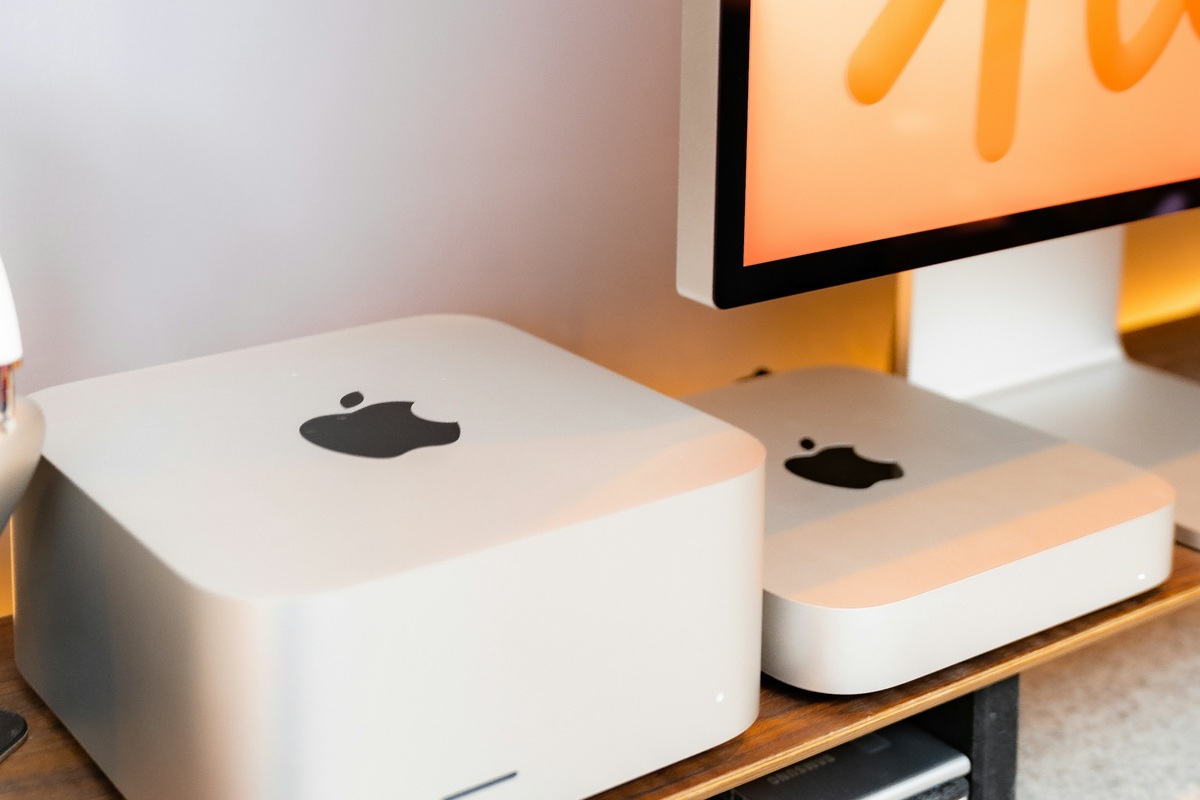
Meta’s 816B-parameter Muse Spark Open targets local coding agents on two 512GB Macs, due later this month. API access is already available.
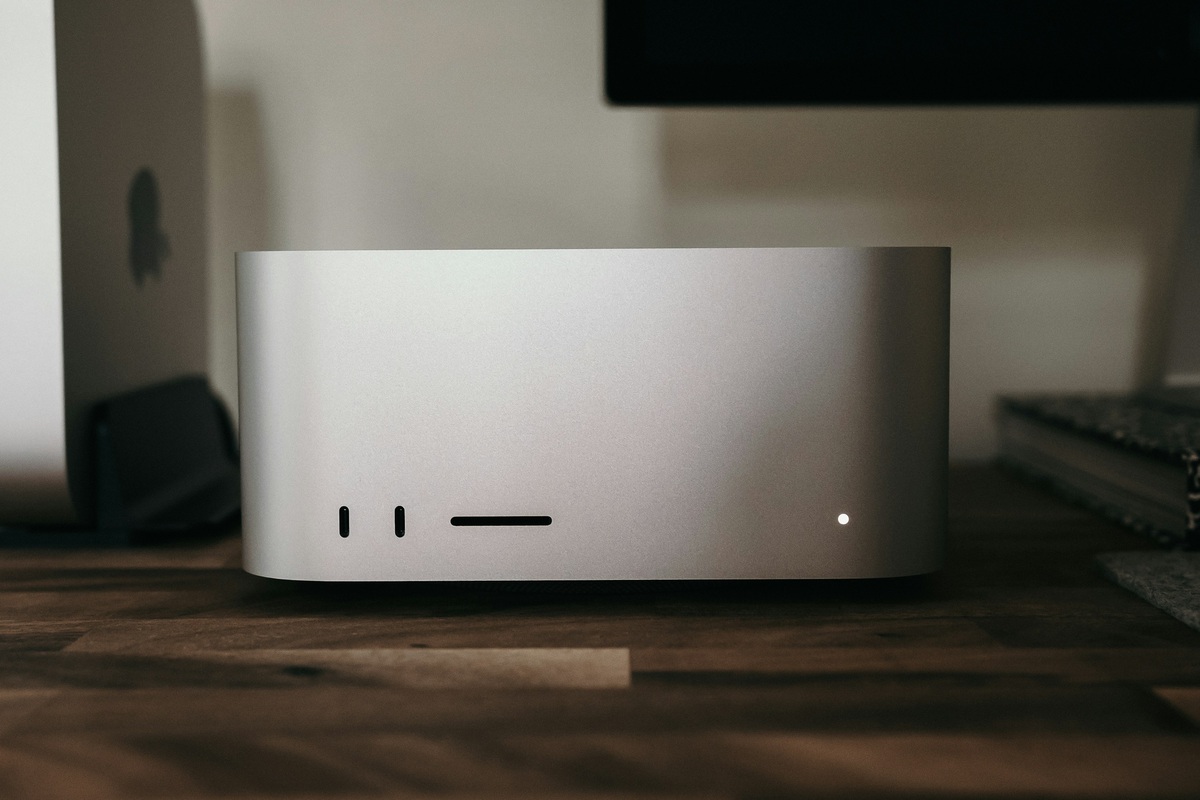
Apple and Meta bring Muse Spark Open to Mac Studio clusters, opening a new front in the AI race. Here is what the partnership means for speed, cost and control.
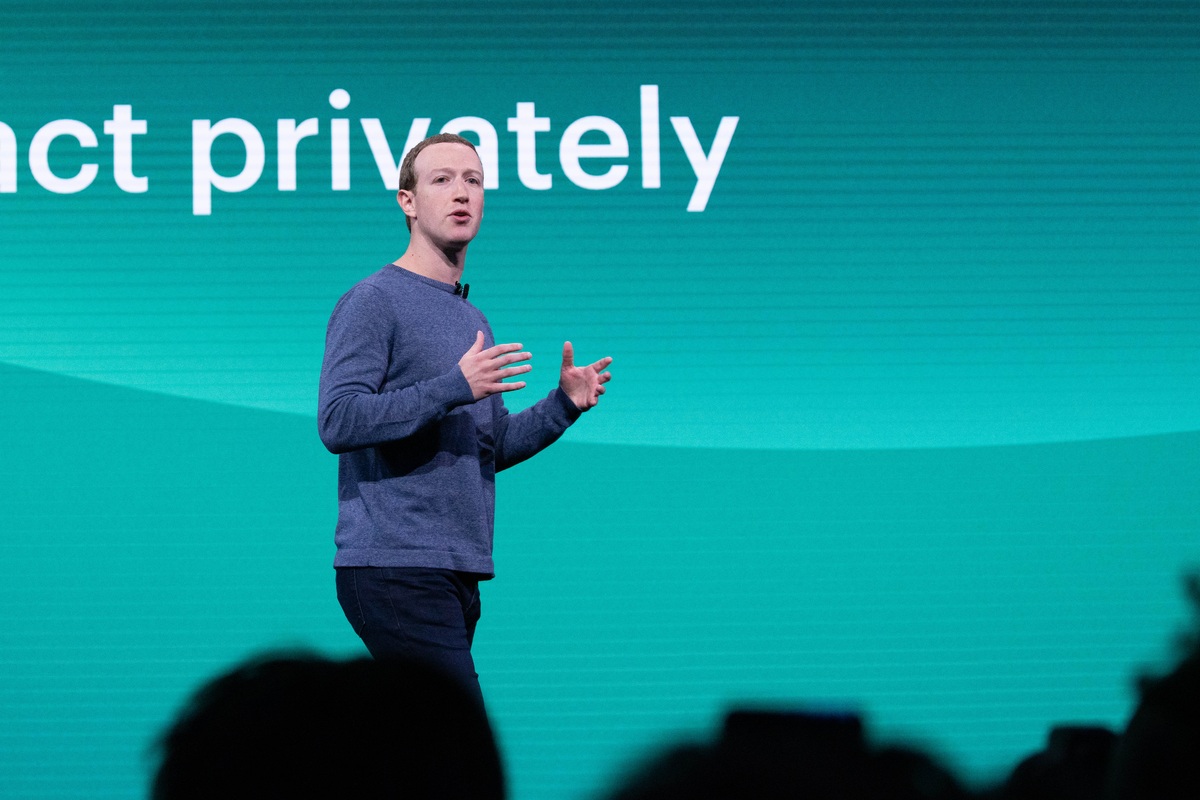
Muse Wonder puts Meta alongside OpenAI, Anthropic, Google and Grok. We examine the rankings, strengths, pricing and access shaping the frontier AI race.
Meta’s Muse Wonder models pair Active Memory with Active Focus for AI agents, coding and professional work, with API access and subscription-only Full.
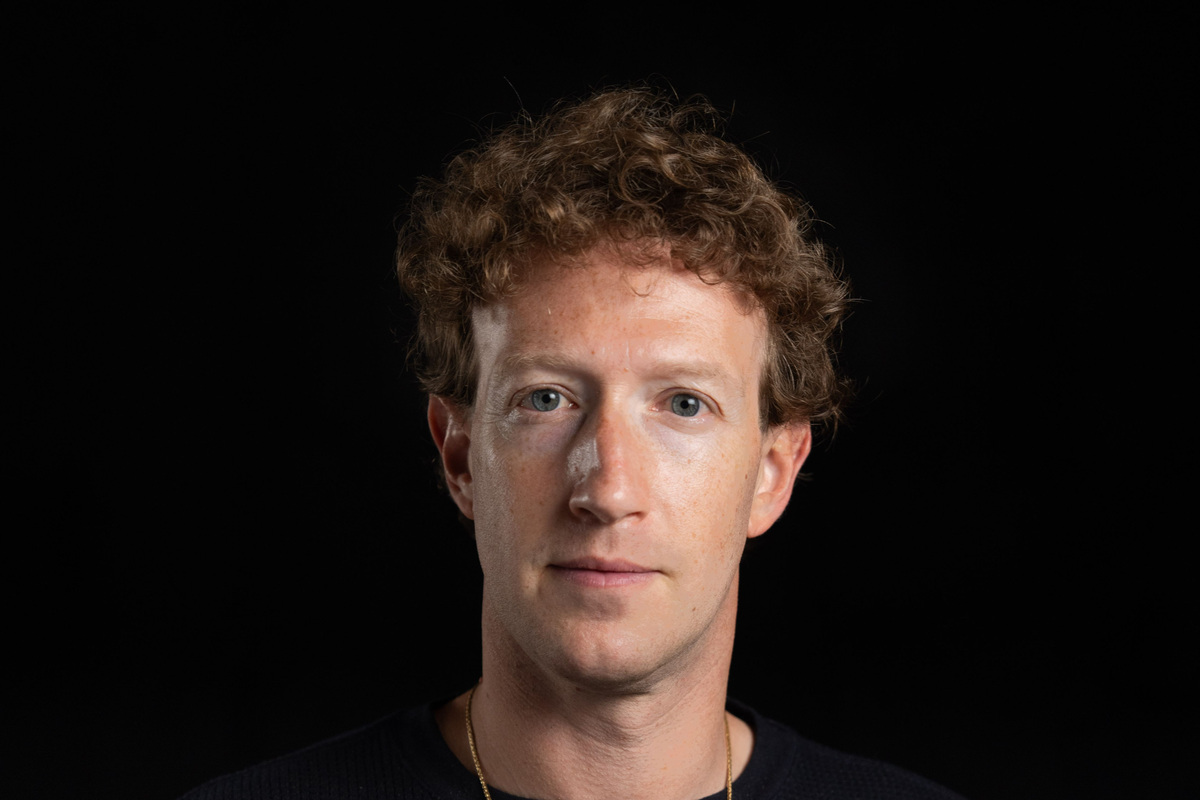
Zuckerberg says Meta has reached the AI frontier with Muse Wonder and rejects a slowdown, putting performance and safety claims under fresh scrutiny.
Manus raises more than $500 million in its first funding round since separating from Meta, with Boyu Capital and IDG Capital leading the financing.

Meta, Sierra, Stripe and Walmart are developing Personal Agent Protocol to define how AI agents access business services, with a first specification due in October.