Key Notes
- Trump directs federal agencies to replace AI with Super Intelligence in official communications.
- Six technology leaders sign a voluntary accord covering internal controls, audits and board oversight.
- Trump says an AI czar appointment is expected within three or four days.
.Joint Commitment on Frontier Responsibilities pic.twitter.com/fHZV7TaDPD
— Rapid Response 47 (@RapidResponse47) September 29, 2026
What the Federal Renaming Actually Changes
The executive order covers agency correspondence, public communications, websites, reports, policy documents and other non-statutory materials, to the extent permitted by law. It does not require changes to previously issued regulations, presidential actions, contracts, grants or historical records. For implementation, SI initially means the technologies already covered by the existing federal definition of artificial intelligence. The president’s science and technology adviser has 60 days to propose legislative language for a new definition and recommend any further executive action. The immediate effect is therefore a change in government terminology. The order does not establish that existing systems have crossed a new technical capability threshold, nor does it direct private companies, researchers or the public to abandon the term AI. The White House’s fact sheet presents the new label as a way to emphasize the technology’s expanding capabilities and potential economic benefits. That is the administration’s rationale for the rebrand, rather than an independent assessment of what any particular model can do. AIstify covered Trump’s UN announcement on September 22, when the practical scope remained unclear. The signed order now provides details about which documents are affected and which earlier records can remain unchanged.Six Technology Leaders Sign a Safety Accord
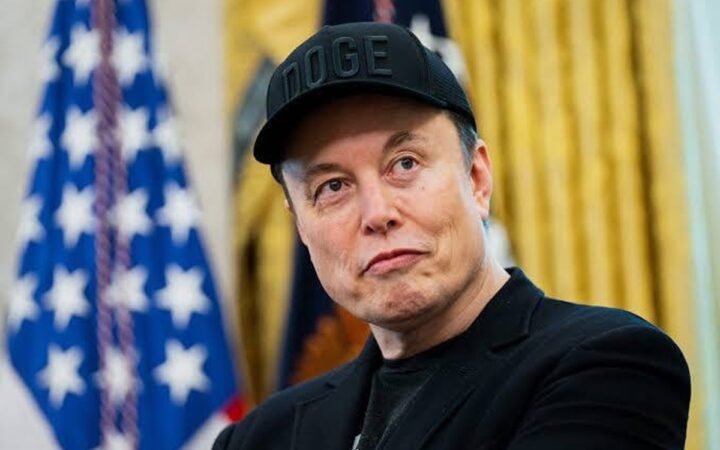
The signed accord carries the names of Sundar Pichai for Google, Dario Amodei for Anthropic, Mark Zuckerberg for Meta, Greg Brockman for OpenAI, Elon Musk for xAI and Jensen Huang for Nvidia, alongside Trump. Its four safeguards begin with controls that monitor model capabilities and behavior during training and deployment. The document identifies cybersecurity, biological and chemical threats, and unintended access to technical systems as areas requiring attention. Companies also commit to an internal team checking that controls and monitoring work, an independent external auditor or evaluator assessing those processes, and an independent board committee receiving reports and overseeing fixes. The participants plan to meet regularly to develop standards and safety practices. The text leaves open the possibility of turning these measures into laws or regulations later. It does not set out a public reporting schedule, a common testing threshold or penalties for failing to meet the commitments. Those omissions leave readers unable to judge implementation from the signatures alone.An AI Czar Is Still a Planned Appointment
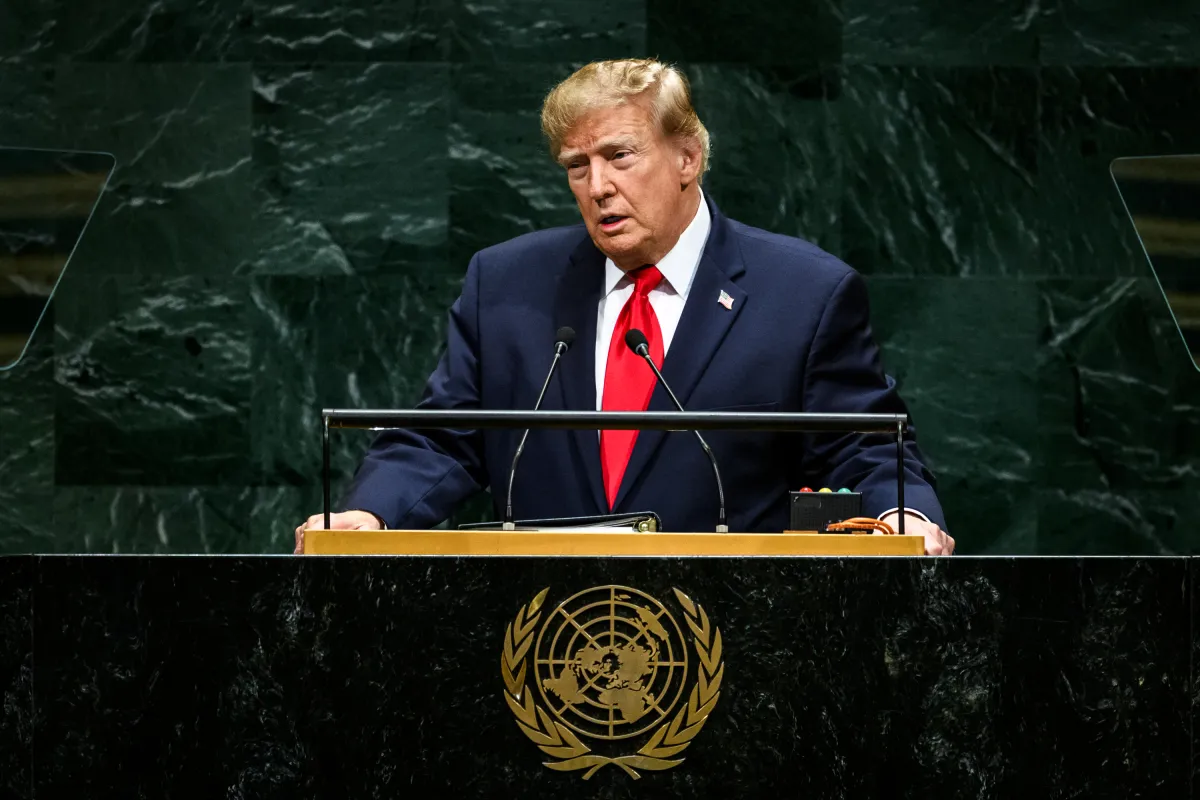
In his press remarks after the meeting, Trump said he was close to choosing an AI czar and expected to announce the selection within three or four days. He said he wanted to consult the companies, House Speaker Mike Johnson and Senate Majority Leader John Thune. Trump separately floated a committee of about 10 people to oversee the effort, potentially drawn from the group of industry leaders. He did not announce its membership or explain its powers. The remarks should therefore be read as plans, rather than confirmation that a new oversight body was already operating.Industry Oversight Faces a Congressional Challenge
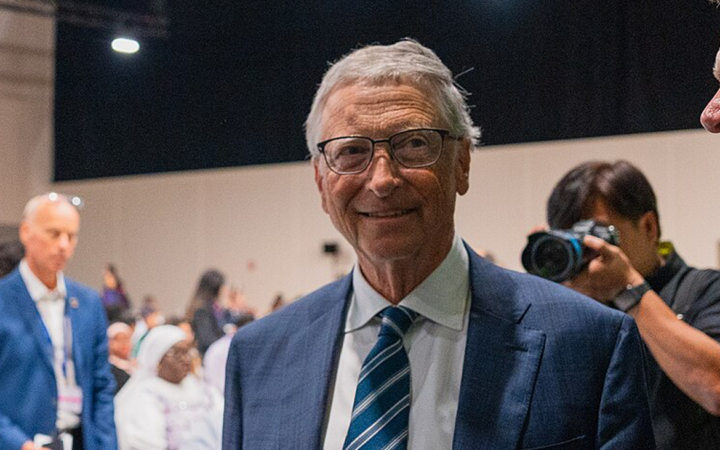
Trump described the accord as “morally binding” and praised company self-policing. At the same press appearance, Amodei said AI offered major benefits but also carried real risks, with the mechanism for addressing them still under discussion. Zuckerberg described the agreement as a starting point. Senator Mark Warner offered a different prescription in a September 29 statement. He argued that renaming the technology and relying on developers to regulate themselves would not address its risks. Warner called for enforceable testing, evaluation, cybersecurity and incident-reporting requirements. His proposed legislation would establish an AI Safety Board within the Commerce Department and require frontier developers to provide model access at least 45 days before public release. Those are proposals, not requirements created by the White House accord. Warner’s office said a Republican objection blocked a unanimous-consent attempt to pass the bill that day. The disagreement concerns who can verify safety claims and compel action when problems emerge. AIstify’s coverage of Bill Gates’s position examined a similar call for mandatory safeguards. External audits can add scrutiny, but their value will depend on access, independence and whether findings lead to changes.The Next Test is Implementation
The announcements leave several concrete developments to watch: the promised czar selection, any further details of the proposed committee, the administration’s new definition and evidence of company audits. A shared label and a signed commitment establish a direction; they do not yet show how consistently safety problems will be detected, disclosed and resolved.Disclaimer: AIstify is an independent media brand owned and operated by NuvexMedia LLC, publishing news, research, and insights on artificial intelligence, emerging technologies, automation, and related industries. NuvexMedia LLC invests in and collaborates with companies across the AI, technology, software, and digital innovation sectors. These relationships do not influence AIstify’s editorial coverage, and the publication maintains full editorial independence to provide accurate, timely, and objective information. © 2026 NuvexMedia LLC. All rights reserved. This content is for informational purposes only and should not be considered legal, tax, investment, financial, or other professional advice.