
Key Notes
- Donald Trump threatened steep taxes on American companies building AI data centers abroad, without announcing a rate or implementation plan.
- He praised Anthropic’s IPO and urged NVIDIA to give Jensen Huang another chance, without announcing a leadership change.
- Trump also backed older-chip exports to China and joint AI safeguards, while retaining confidence in Commerce Secretary Howard Lutnick.
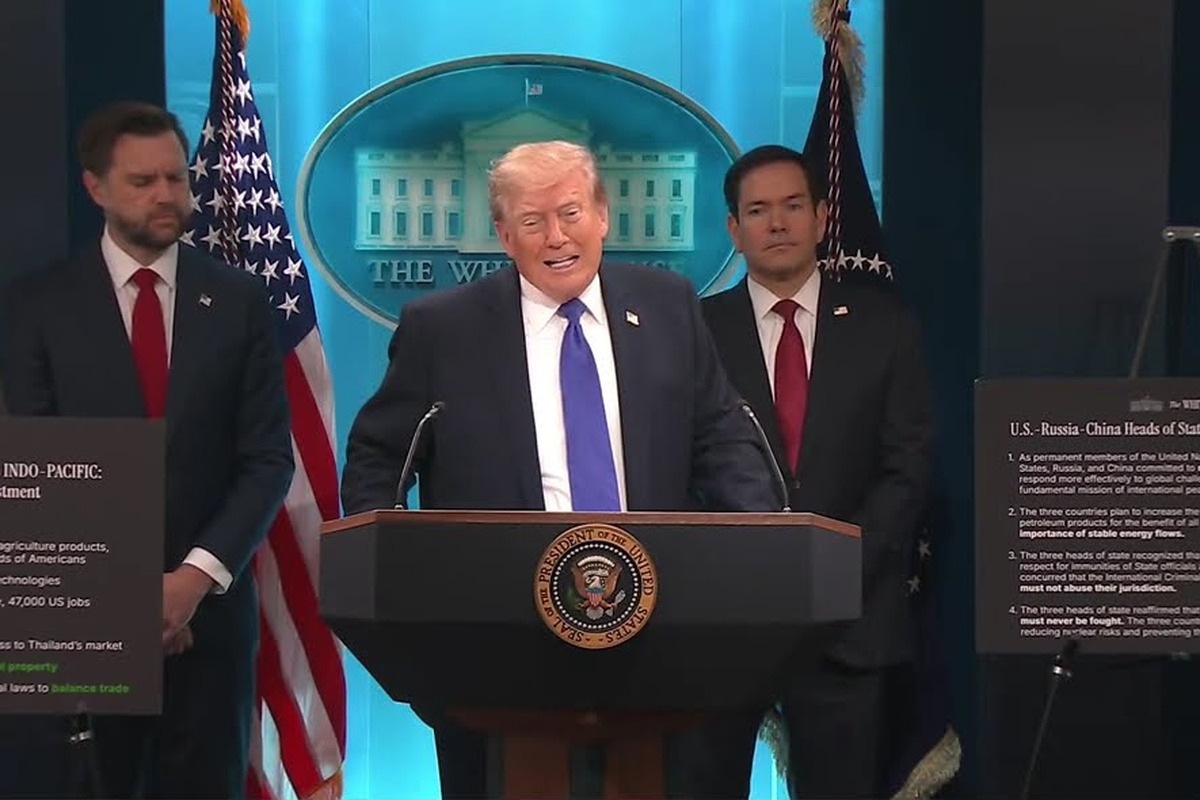
President Donald Trump threatened steep taxes on American companies that build AI data centers overseas, turning his support for the industry into a demand that more of its infrastructure remain in the United States. At the same news conference, he praised Anthropic’s IPO and called for NVIDIA to give co-founder Jensen Huang another chance to lead the company.
The November 20 remarks, carried in the White House’s broadcast, set out a forceful political position on where the AI boom should be built. Trump did not specify a tax rate, a timetable or the legal mechanism he would use to penalize overseas construction.
He said the administration would fight for domestic data center projects and warned that companies building abroad would face a “tremendous tax.” He also urged communities to negotiate financial benefits from the facilities and allow projects to proceed.
Anthropic’s IPO and the Domestic Buildout
Trump singled out Anthropic’s stock-market debut as a success and expressed respect for chief executive Dario Amodei. He then connected that praise to his broader argument that American AI companies should build their infrastructure at home.
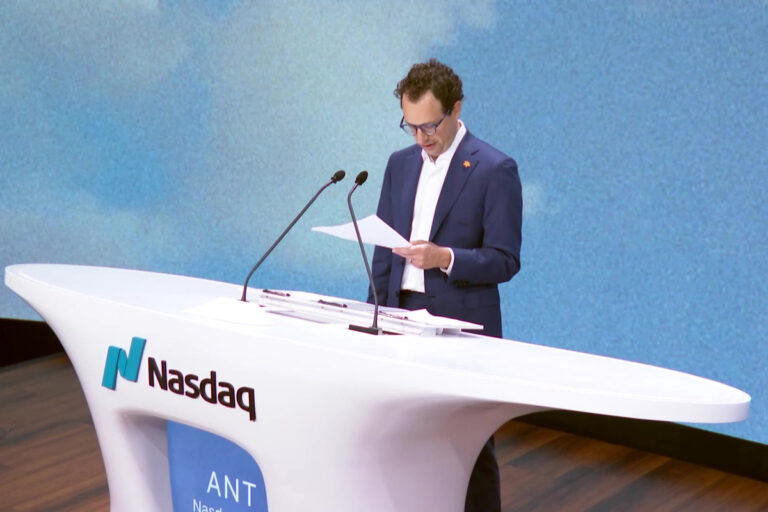
Anthropic began Nasdaq trading on November 19 under ANT. Our first-day coverage examined the debut and the scale of the company’s market valuation. Trump’s remarks presented that success as part of his case for keeping the next phase of AI investment in the United States.
His argument also placed responsibility on permitting authorities. Trump said developers denied approvals could take projects to other countries, and he suggested that states willing to accommodate construction could benefit when others refuse it.
The immediate distinction for developers is between the announced threat and a measure they can assess in detail. The news conference did not explain whether a future tax would apply to existing overseas facilities, new projects or particular corporate arrangements. It also did not establish a company-specific order requiring Anthropic to relocate its infrastructure.
A Public Appeal for Huang’s Return
Trump described Huang as an exceptional technical talent who had made poor decisions, and said he wanted the NVIDIA co-founder to apologize and return to work. He linked that appeal to NVIDIA’s strategic importance in advanced AI chips, particularly its Blackwell technology.
Reuters reported his call for Huang to “make a big apology and go back.” Trump’s appeal adds presidential pressure to the debate over NVIDIA’s leadership, but the appointment of its chief executive remains a decision for the company’s board.
NVIDIA announced Huang’s resignation as president, CEO and a director on November 12, appointing finance chief Colette Kress as interim CEO while directors search for a permanent successor. We reported on November 16 that the board was focused on its investigation and was not considering Huang’s return at that point.
Trump also said he had discussed Huang with Chinese President Xi Jinping. That account differs from Treasury Secretary Scott Bessent’s earlier CNBC interview: the network’s transcript records Bessent answering no when asked whether Huang came up in discussions with Chinese officials. The public accounts leave that discrepancy unresolved.
Older Chips for China, Joint Safeguards for AI
On chip exports, Trump said he wanted China to receive only older American processors. He framed protection of the most advanced chips as part of maintaining the United States’ technological advantage.
That position comes days after Washington tightened controls on remote access to advanced computing through overseas data centers. Bessent separately told CNBC that the administration’s existing threshold for licensed sales to China remained the H200.
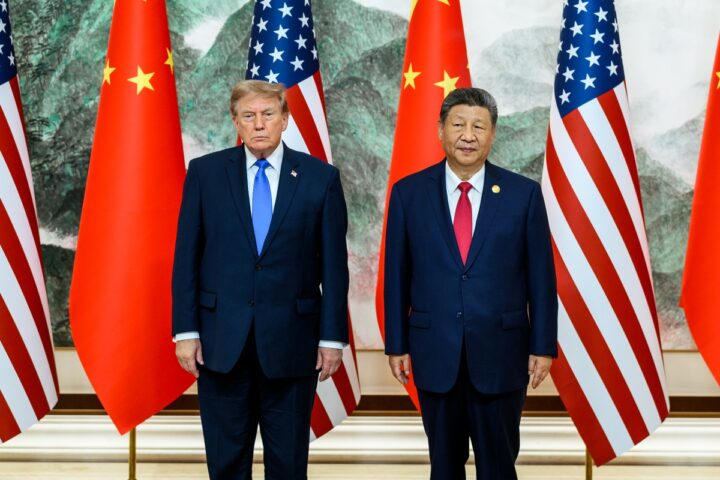
Trump also repeated that he and Xi would develop joint AI safeguards, the subject of our earlier coverage. The announcement concerns cooperation on guardrails, including the human-control principle described by Bessent for major military decisions; the reviewed public statements do not provide a completed bilateral rulebook.
Asked about Commerce Secretary Howard Lutnick, whose department oversees chip export controls, Trump said he retained confidence in him. Together, the remarks combine support for American AI companies with a sharper demand to keep the industry’s computing infrastructure and most advanced technology close to home.
Disclaimer: AIstify is an independent media brand owned and operated by NuvexMedia LLC, publishing news, research, and insights on artificial intelligence, emerging technologies, automation, and related industries. NuvexMedia LLC invests in and collaborates with companies across the AI, technology, software, and digital innovation sectors. These relationships do not influence AIstify’s editorial coverage, and the publication maintains full editorial independence to provide accurate, timely, and objective information. © 2026 NuvexMedia LLC. All rights reserved. This content is for informational purposes only and should not be considered legal, tax, investment, financial, or other professional advice.