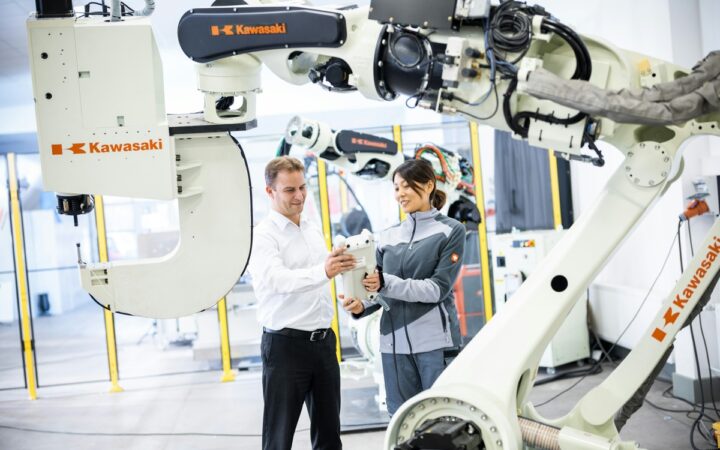
Robot Learning Explained: How AI Robots Learn From Demonstrations
Learn how robots turn human demonstrations into actions, why imitation can fail, and how recovery data and real-world tests improve learned behavior.
Explore AIstify's latest reporting, research, and expert analysis tagged with "physical ai", collected in one continuously updated archive.
Learn how robots turn human demonstrations into actions, why imitation can fail, and how recovery data and real-world tests improve learned behavior.
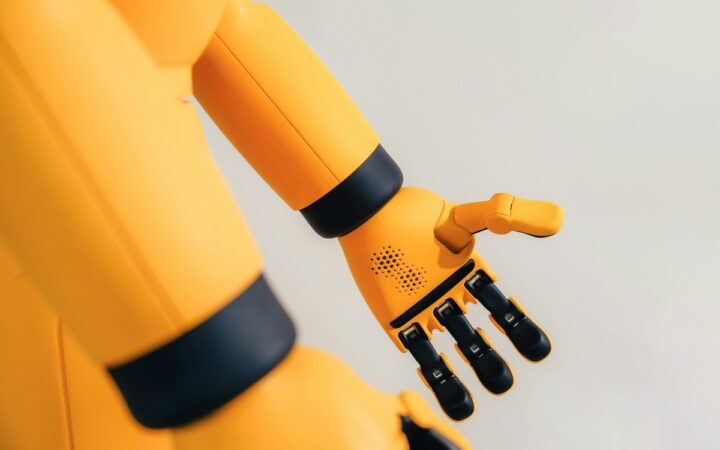
Follow a robot from camera input to movement and feedback, and learn how training, simulation and real-world tests separate a demo from reliable autonomy.
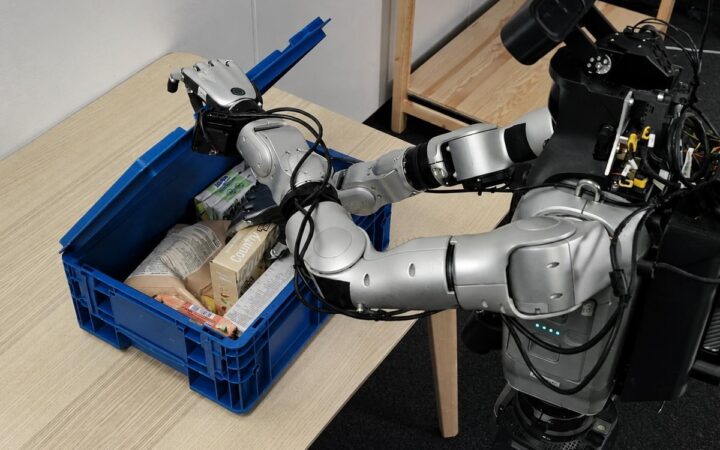
Odyssey-3 generates worlds that respond to actions, leads a published physics benchmark and powers robot demonstrations. Flash is available to try in a browser.
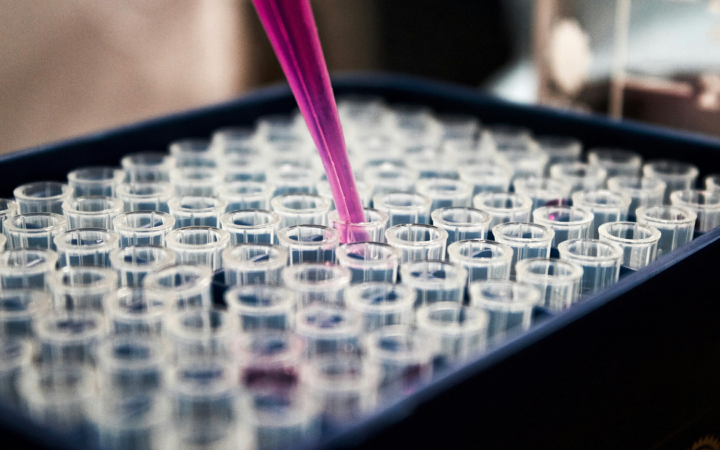
Anthropic confirmed it runs a physical biology lab for AI drug discovery and is testing lab automation with Claude, amid its own warnings about AI risk and a possible IPO

Anthropic opened a research preview of the Model Hardware Standard, letting AI agents operate lab and factory equipment like microscopes and robotic arms in its first physical-world product.
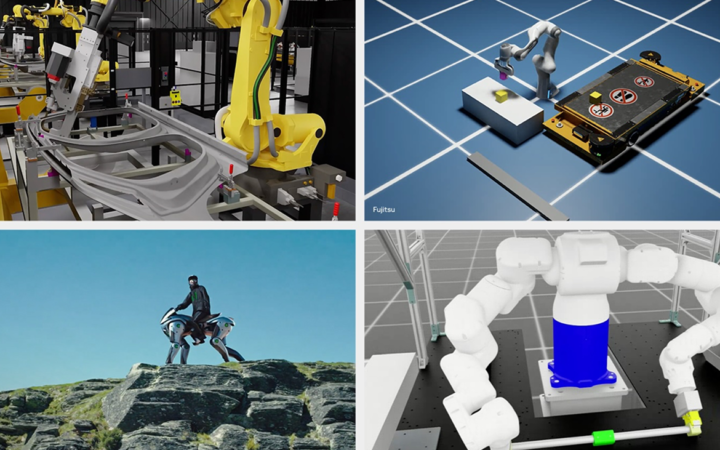
NVIDIA unveiled Cosmos 3 Edge and said Japan’s robotics and manufacturing leaders, from FANUC to Sony, intend to join its Cosmos Coalition to build AI for the physical world.
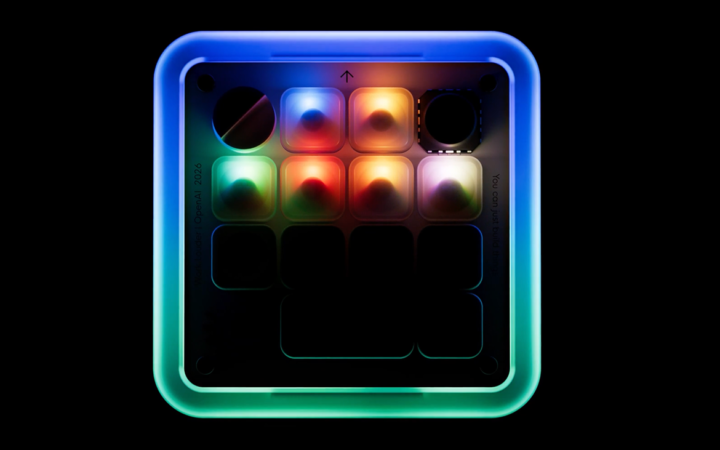
OpenAI teased its first branded hardware, Codex Micro, a programmable macro pad built with Work Louder to give developers physical shortcuts for its Codex coding agent, launching July 15.
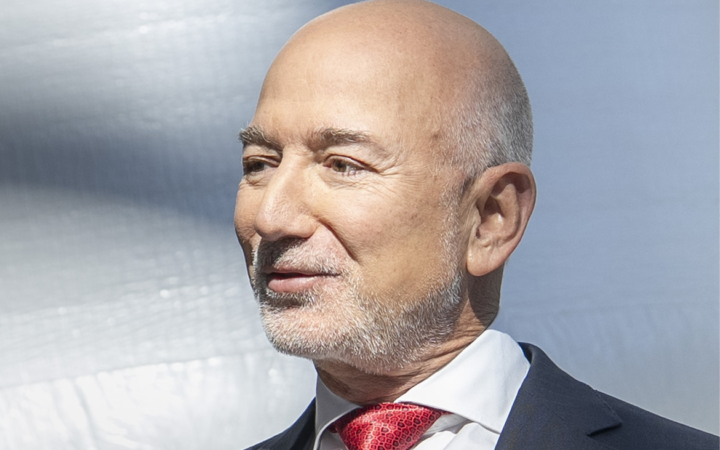
Jeff Bezos’s industrial AI startup Prometheus raised $12 billion at a $41 billion valuation, emerging from stealth to build AI for engineering and manufacturing.
Prometheus is an American industrial artificial intelligence startup co-founded by Jeff Bezos and Vik Bajaj. The company is developing AI systems intended to assist engineering, product design, prototyping, and manufacturing of physical goods.

LG Group and NVIDIA have formalized a broad strategic partnership spanning physical AI and robotics, AI data center infrastructure, and autonomous driving systems.
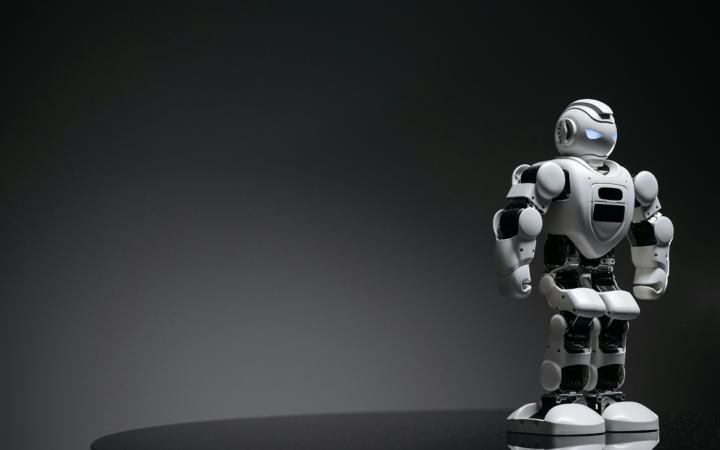
Investors and technology leaders increasingly view humanoid robots as the next major growth opportunity in artificial intelligence. Industry forecasts suggest the market could expand from a few billion dollars today to hundreds of billions within the next decade.

Stellantis and Accenture announced plans for a strategic partnership with NVIDIA to advance AI-driven manufacturing, using digital twins, real-time data, and accelerated computing to modernize global factory operations.
Meta is developing a personalized AI assistant powered by Muse Spark, aiming to automate everyday tasks across its platforms.
NXP Semiconductors shares jumped 26% after strong earnings driven by AI and automotive demand. The company highlighted rising data center infrastructure needs.
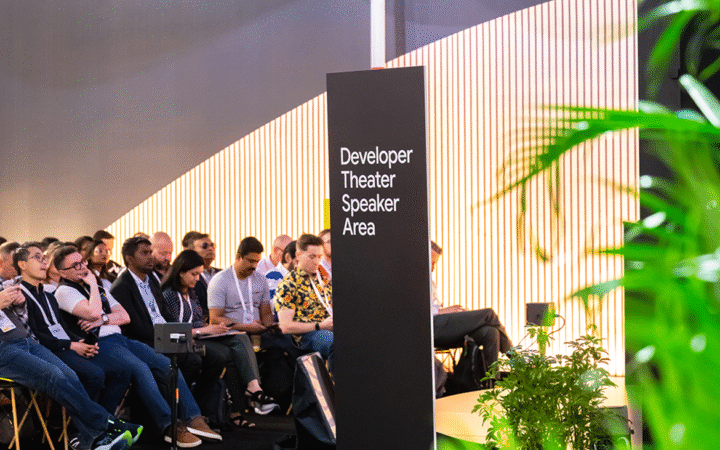
Nvidia and Google Cloud unveiled new AI infrastructure and agentic AI capabilities at Google Cloud Next, targeting large-scale enterprise and industrial deployments.