Google’s Genie 4 Builds Interactive AI Worlds With Sound and Dialogue
Google’s Genie 4 adds sound, dialogue and live prompt controls to AI-generated worlds, with a robot simulation demo and wider access still to come.
Explore AIstify's latest reporting, research, and expert analysis tagged with "google", collected in one continuously updated archive.
Google’s Genie 4 adds sound, dialogue and live prompt controls to AI-generated worlds, with a robot simulation demo and wider access still to come.

Anthropic’s S-1 details up to $120.5 billion in SpaceX.AI compute spending and a minimum $114.5 billion Google commitment through July 2033.
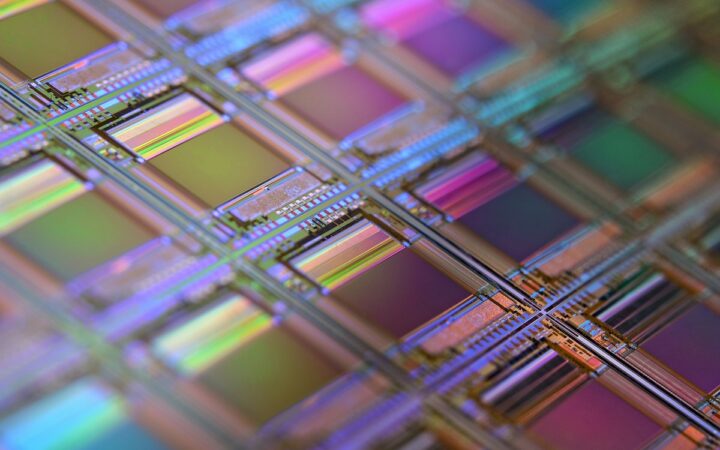
Google reports 99.99% magic-state fidelity on Willow, with errors reduced 40x. The quantum computing advance retained 8% of attempts and still needs to scale.
Google Deep Review offers two free document checks a week, using AI agents to flag errors and weak arguments. Its benchmark results come with important limits.
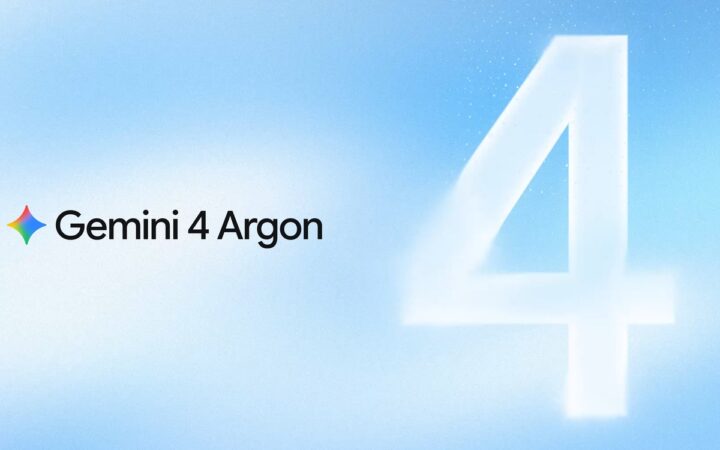
Google opens Gemini 4 Argon to Pro and Ultra subscribers, developers and businesses, with introductory API pricing and a million-token working window.
Google’s SynthID Detector is now available globally for image, video and audio checks. It detects supported AI watermarks, rather than proving a file is real.

Google Playground turns prompts into browser games without coding. Unity Spark will add a more advanced creation path, with a closed beta coming soon.

Google’s Nano Banana 2.1 improves image quality, text and editing consistency while cutting its image-output token price to a quarter of Nano Banana Pro’s rate.
Google has paused new OSS product-vulnerability reports after a surge in invalid automated submissions. Supply-chain reports remain open, with an update due in Q1 2027.
Google will limit free Gemini users to Flash-Lite from October 9, while AI Plus subscribers will lose Pro access on dates communicated by email.
Can Gemini 4 Argon really match OpenAI’s models and Claude—or outperform them? Benchmarks show gains, but wider enterprise use will test those results.

Google models roughly 1,800 Starship launches to help lower orbital computing costs, but cooling, reliability and total infrastructure expenses remain unresolved.

SpaceX is set to launch Google’s AI chips on a Planet Labs prototype, testing whether Project Suncatcher hardware can withstand radiation and heat in orbit.
Google unveils Gemini 4 Argon, its most powerful AI model yet, with a one-million-token output limit, introductory API pricing, and a phased rollout.
Gemini 4 Argon leads Google’s DeepSWE and Vibe Code comparisons, with access starting through its cyber defense program before a wider rollout.