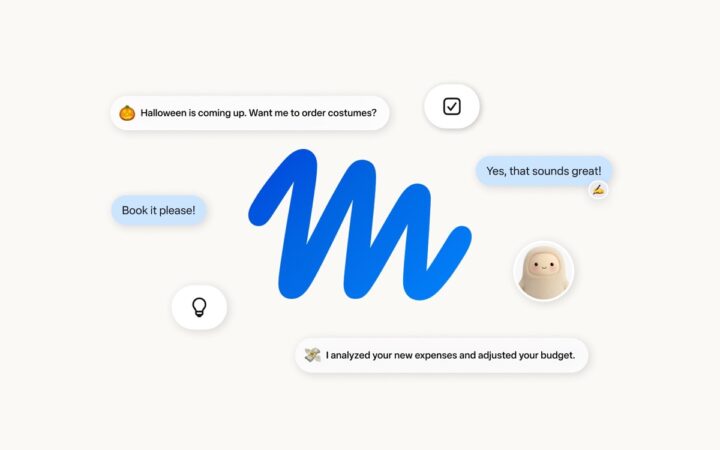
Meta is developing a highly personalized AI assistant designed to autonomously complete everyday tasks for users, according to reports citing people familiar with the project. The system is reportedly powered by Meta’s Muse Spark AI model and is currently undergoing internal testing.
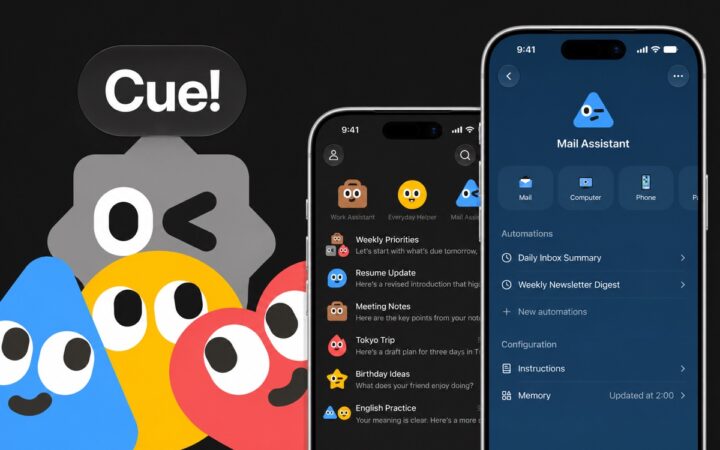
The assistant is being developed with capabilities similar to agentic AI systems such as OpenClaw, enabling it to connect software and hardware tools, perform tasks with minimal human input, and improve through real-world interactions. Reports also indicate Meta is training an internal AI agent codenamed Hatch and preparing an AI-powered shopping assistant for Instagram ahead of a potential 2026 launch.
The effort aligns closely with Meta’s broader push into physical AI and robotics. The company recently acquired humanoid robotics startup Assured Robot Intelligence, with the team joining Meta’s Superintelligence Labs division to work on foundation models for autonomous robotic control and self-learning systems.
By combining consumer-facing AI assistants with robotics research, Meta appears to be building a unified AI stack capable of both digital and physical task execution. The same underlying agentic architecture used for scheduling appointments or managing purchases could eventually support robots operating independently in human environments.
Meta faces increasing competition in the emerging agentic AI market from rivals including OpenAI, Google, Amazon, and Apple. Unlike competitors focused on cloud or hardware ecosystems, Meta is leveraging its large social media user base as a distribution channel for AI-driven services.
The initiative reflects a broader industry shift toward persistent, personalized AI systems capable of acting independently across applications and devices. As companies race to build agentic AI platforms, integration between digital assistants, commerce, and robotics is emerging as a key battleground in the next phase of artificial intelligence development.
Disclaimer: AIstify is an independent media brand owned and operated by NuvexMedia LLC, publishing news, research, and insights on artificial intelligence, emerging technologies, automation, and related industries. NuvexMedia LLC invests in and collaborates with companies across the AI, technology, software, and digital innovation sectors. These relationships do not influence AIstify’s editorial coverage, and the publication maintains full editorial independence to provide accurate, timely, and objective information. © 2026 NuvexMedia LLC. All rights reserved. This content is for informational purposes only and should not be considered legal, tax, investment, financial, or other professional advice.