Spotify Founder’s AI Body Scan Startup Opens Its First US Clinic in New York
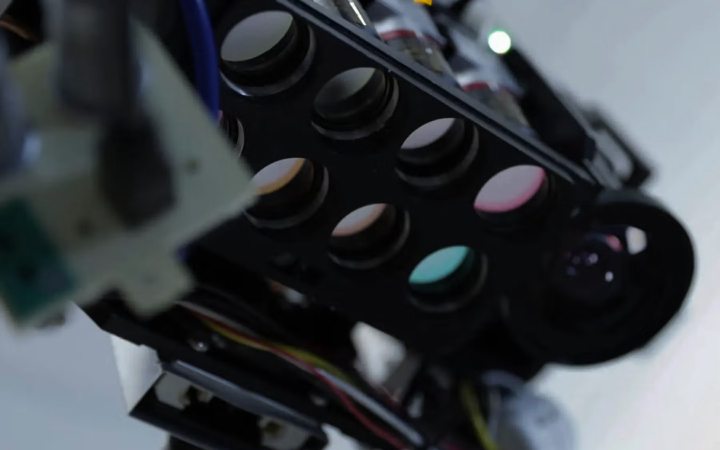
Neko Health, the AI powered body scanning startup cofounded by Daniel Ek, opened its first US clinic in New York, backed by a $700 million Series C round.
Explore AIstify's latest reporting, research, and expert analysis tagged with "ai in healthcare", collected in one continuously updated archive.
Neko Health, the AI powered body scanning startup cofounded by Daniel Ek, opened its first US clinic in New York, backed by a $700 million Series C round.
Anthropic says Claude agents in its life sciences lab discovered a novel enzyme system with CRISPR like features in bacteriophage DNA, reviewed favorably by CRISPR pioneer Feng Zhang.

OpenEvidence and Anthropic are expanding free medical AI to roughly 100 countries, with local guidelines and a separate Penn Medicine partnership in Botswana.
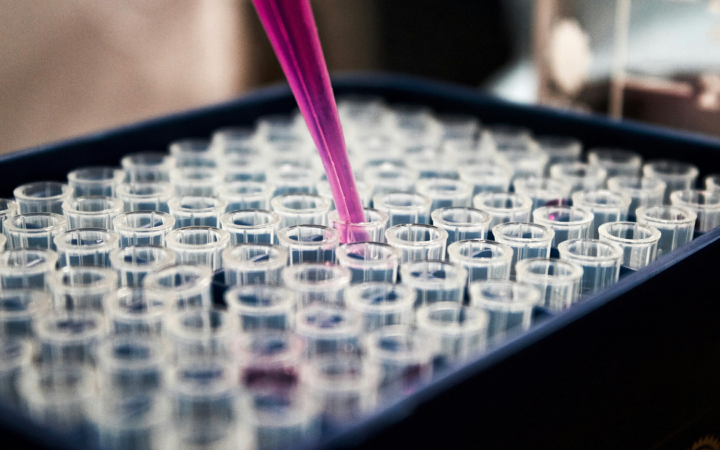
Anthropic confirmed it runs a physical biology lab for AI drug discovery and is testing lab automation with Claude, amid its own warnings about AI risk and a possible IPO
Novo Nordisk will use Anthropic’s Claude Science workbench to tackle drug discovery problems and speed up software development across the company.

Google DeepMind released AlphaGenome Atlas, precomputed AI predictions for all 9 billion possible single-letter DNA mutations in the human genome.

Rentosertib, an AI-designed lung disease drug, showed signs of lowering biological age in a small trial analysis, though scientists caution the effect could reflect a treated lung, not slower aging.

Michael Polansky’s biotech startup Outer Biosciences keeps donated human skin alive for weeks and uses it to train an AI that predicts promising new skincare ingredients.
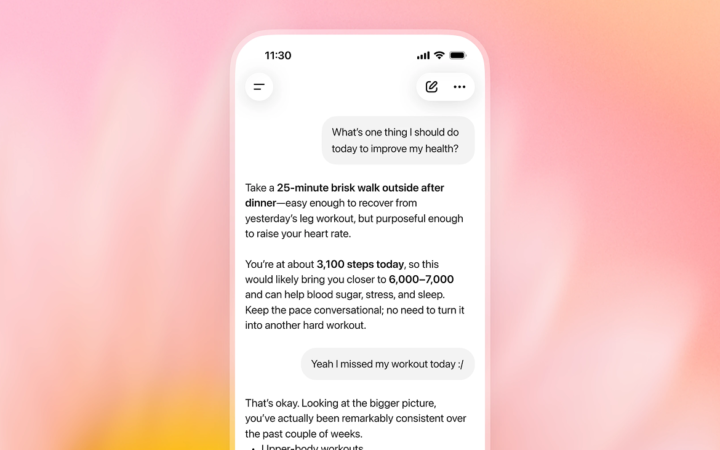
OpenAI made ChatGPT Health available to all US adults, letting them connect medical records and fitness data, a day after a pastor sued over advice he says nearly killed him.
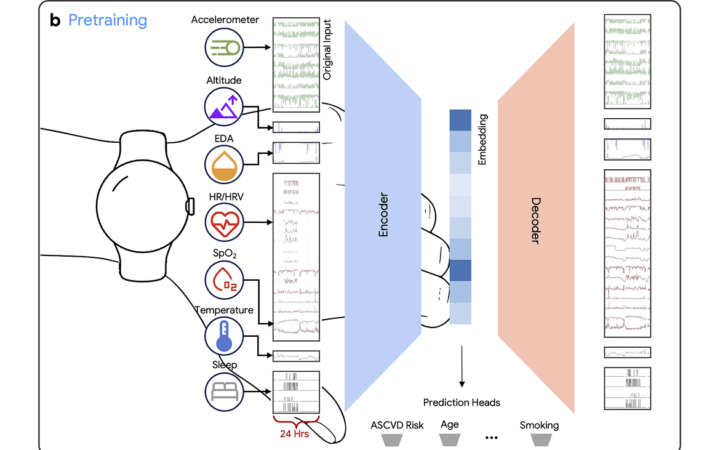
Google unveiled SensorFM, a health AI trained on over a trillion minutes of smartwatch data from 5 million people, that predicts 35 health measures from cardiovascular risk to depression.
OpenAI has launched the Rosalind Biodefense program and expanded access to its GPT-Rosalind model for trusted developers and government partners. The initiative aims to accelerate biodefense, pandemic preparedness, and public health research using advanced AI tools.
Tether Data has introduced QVAC MedPsy, a family of compact medical AI models designed for smartphones, laptops, and edge devices. The company claims the models outperform significantly larger healthcare-focused systems while reducing inference costs and token usage.
OpenAI has introduced GPT-Rosalind, a specialized AI model for life sciences research. The system aims to accelerate drug discovery and biological analysis workflows.
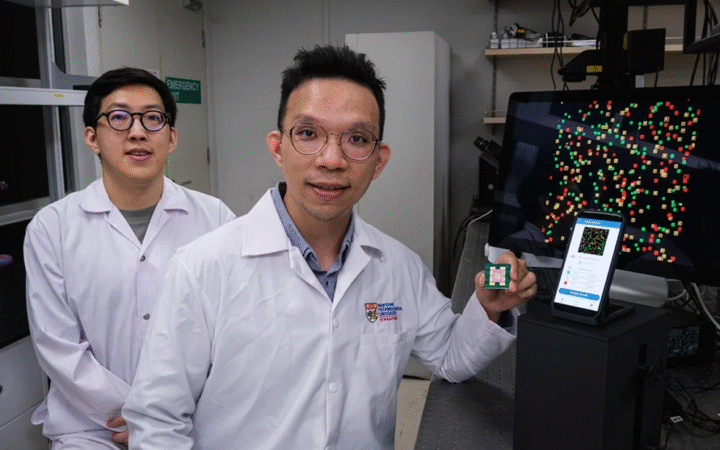
Researchers at NTU Singapore have developed an AI-powered biochip that detects disease-linked microRNAs in minutes. The system could enable faster, more precise diagnostics.
AWS has launched Amazon Bio Discovery, an AI-powered platform that helps scientists design, test, and refine drugs faster using integrated models and lab workflows.