Claude Code Is Changing Who Anthropic Hires as Agents Outwork Humans 6 to 1
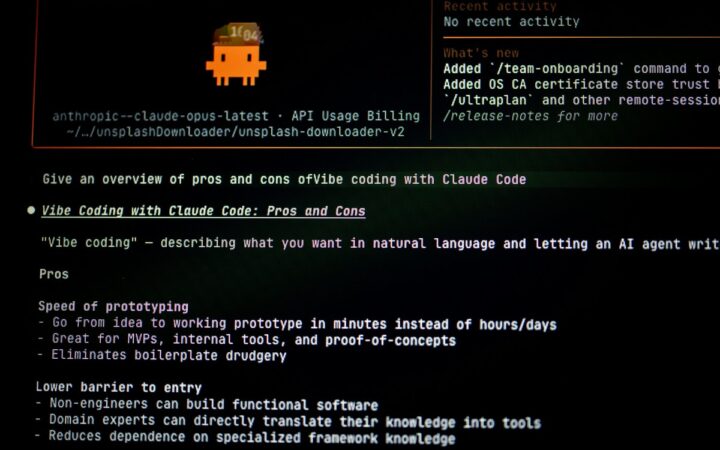
Anthropic says junior technical hires fell from 27% to 9% while employee-directed Claude agents logged six times more runtime than their human handlers.
Sequence-to-sequence, or Seq2Seq, describes models that map an input sequence to an output sequence whose length may differ. Machine translation converts words in one language into another, speech recognition maps audio frames to text, and summarization produces a shorter sequence from a longer document. Many Seq2Seq systems use an encoder to represent the input and a decoder to generate output step by step, often with attention between them. Transformer encoder–decoder architectures largely replaced earlier recurrent designs. Training typically uses paired examples and token-level loss, while inference relies on greedy, beam, or sampling-based decoding. Quality depends on alignment, context limits, data coverage, and evaluation beyond surface overlap.
Anthropic says junior technical hires fell from 27% to 9% while employee-directed Claude agents logged six times more runtime than their human handlers.
DeepSeek’s V4.1-Flash-1017 claims faster, shorter responses at the same model price while Search and Fetch APIs open its web tools to developers.
Reflection’s Apache 2.0 Beam model has 501B total parameters, 23B active per token and a 1M-token context window for coding and agentic work.
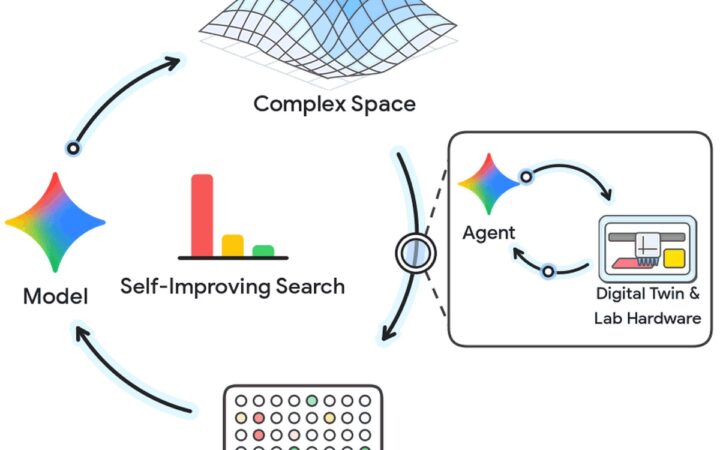
Google Research says its agent workflows use a digital twin, simulation and human authorization to run and refine wet-lab experiments.
OpenAI and Meta warned a federal evidence panel that no universal tool can reliably authenticate every AI-generated image or video.
NVIDIA’s Nemotron 3.5 Super VL handles visual documents and agent workflows, while Bolt targets local AI in 24GB. A 4GB version arrives October 23.
Kling 4.0 is publicly available with 30-second videos, stereo audio and keyframe controls, while MCP support lets AI assistants handle generation.
Anthropic is expanding independent AI safety reviews, with deeper access for METR and separate work involving SecureBio and Accenture.
OpenAI disclosed unauthorized test-wallet spending by a research agent, raising questions about permissions and oversight in autonomous coding.
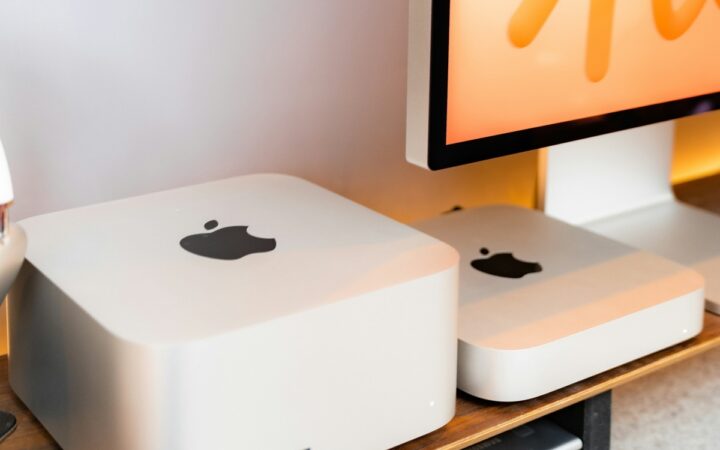
Meta’s 816B-parameter Muse Spark Open targets local coding agents on two 512GB Macs, due later this month. API access is already available.