
Key Notes
- Nikkei reports that DRAM prices have reached roughly twice their end-2025 level as memory suppliers prioritize AI data centers over general-purpose products.
- TrendForce forecast a further 10% to 15% quarterly increase in conventional DRAM contract prices for the fourth quarter of 2026 and warned of tighter PC allocations in 2027.
- SK hynix expects demand to outstrip supply through 2030, while the effect on finished-PC prices will vary with contracts, inventories and product configurations.
DRAM memory prices have risen to roughly twice their level at the end of 2025 as suppliers prioritize AI data centers over general-purpose products, putting fresh pressure on PC manufacturers. The increase shows how spending on artificial intelligence is reaching beyond the price of accelerators and into components used across the computing market.
Nikkei Asia reported the comparison on November 3, describing a shift in supply priorities toward AI applications. Its finding concerns an increase that has already occurred from the end of last year. The implications extend to manufacturers buying memory for ordinary computers, even when those machines are not being purchased to run large AI models.
AI Demand Competes for More Than GPU Capacity
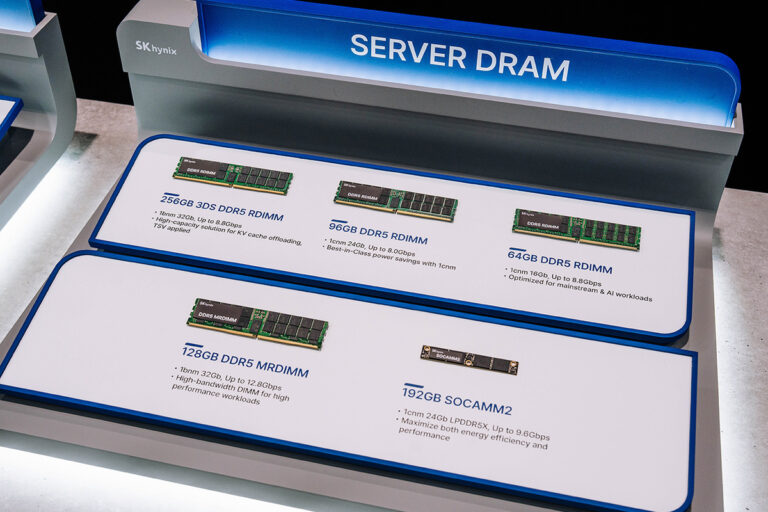
DRAM provides the working memory that computers and servers use while running software. AI infrastructure needs several forms of it: high-bandwidth memory, or HBM, supports accelerators, while server systems also use conventional DRAM modules. The industry’s AI opportunity therefore reaches beyond a single specialized memory product.
Micron’s market outlook identifies cleanroom constraints, long construction lead times and the greater manufacturing demands of HBM among the limits on DRAM supply growth. Different memory products are not interchangeable, but they compete for manufacturing resources and investment. Increasing output is consequently more involved than redirecting a shipment from one customer to another.
The priorities are visible in TrendForce’s September 30 pricing outlook. The research firm said suppliers were directing advanced-process capacity toward higher-performance server products. It also identified demand for registered memory modules in general servers supporting agentic AI, adding another source of pressure alongside accelerator demand.
Higher Chip Costs Reach PC Makers Unevenly
TrendForce projected conventional DRAM contract prices would rise another 10% to 15% quarter over quarter in the final three months of 2026. That is a forecast for the quarter, separate from Nikkei’s comparison with end-2025 prices. It indicates that the pace of increases could moderate while prices continue climbing.
The firm said notebook inventories were increasingly reflecting higher component costs, weighing on sales, while PC manufacturers continued buying in anticipation of tight supply in 2027. It also warned that PC DRAM supply could decline next year as more capacity shifts toward server applications.
For a PC manufacturer, the consequences depend on its contracts, inventories and product mix. Higher memory costs can squeeze margins or affect the price and configuration of a finished system. A doubling in a component-price comparison does not establish that every memory kit or complete computer will cost twice as much: retail products contain other components and move through different purchasing and distribution cycles.
Suppliers Are Planning Around a Longer Squeeze
SK hynix offered a longer view in its October 28 earnings release, saying it expects demand to exceed supply through 2030 because of manufacturing complexity and the time needed to build facilities. That is the supplier’s assessment of the outlook, rather than a guaranteed duration for today’s shortage or a prediction that prices will rise continuously.
The company said long-term agreements already cover more than half of its production capacity for 2027 and 2028. It is also expanding advanced DRAM production and aiming to ramp its M15X facility to maximum capacity by the end of this year to increase HBM4 output. Those plans illustrate both the strength of customer commitments and the effort required to add supply.
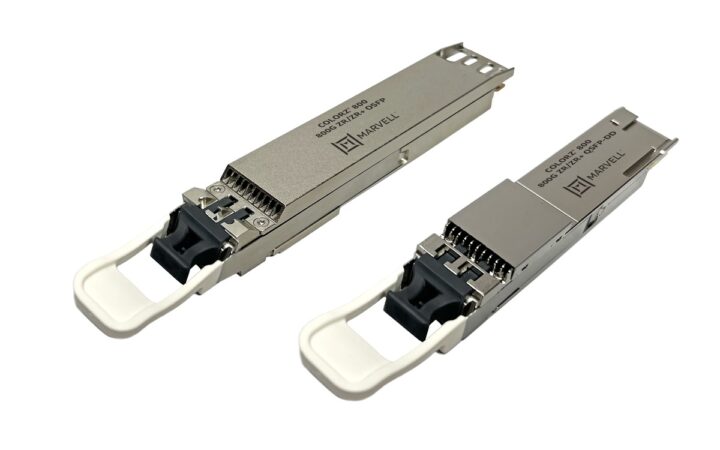
The strategic importance of that supply chain was central to our coverage of South Korea’s AI push and Sam Altman’s meetings with the country’s chip industry. The pricing pressure also joins the constraints in optical networking as a reminder that scaling AI requires more than purchasing processors. For PC makers, the immediate challenge is securing affordable memory while their suppliers pursue the expanding data-center market.
Disclaimer: AIstify is an independent media brand owned and operated by NuvexMedia LLC, publishing news, research, and insights on artificial intelligence, emerging technologies, automation, and related industries. NuvexMedia LLC invests in and collaborates with companies across the AI, technology, software, and digital innovation sectors. These relationships do not influence AIstify’s editorial coverage, and the publication maintains full editorial independence to provide accurate, timely, and objective information. © 2026 NuvexMedia LLC. All rights reserved. This content is for informational purposes only and should not be considered legal, tax, investment, financial, or other professional advice.