Anthropic Confidentially Files for IPO Amid Explosive Growth
Anthropic has confidentially filed for an initial public offering, positioning itself for one of the most closely watched AI listings in history.
Sequence-to-sequence, or Seq2Seq, describes models that map an input sequence to an output sequence whose length may differ. Machine translation converts words in one language into another, speech recognition maps audio frames to text, and summarization produces a shorter sequence from a longer document. Many Seq2Seq systems use an encoder to represent the input and a decoder to generate output step by step, often with attention between them. Transformer encoder–decoder architectures largely replaced earlier recurrent designs. Training typically uses paired examples and token-level loss, while inference relies on greedy, beam, or sampling-based decoding. Quality depends on alignment, context limits, data coverage, and evaluation beyond surface overlap.
Anthropic has confidentially filed for an initial public offering, positioning itself for one of the most closely watched AI listings in history.
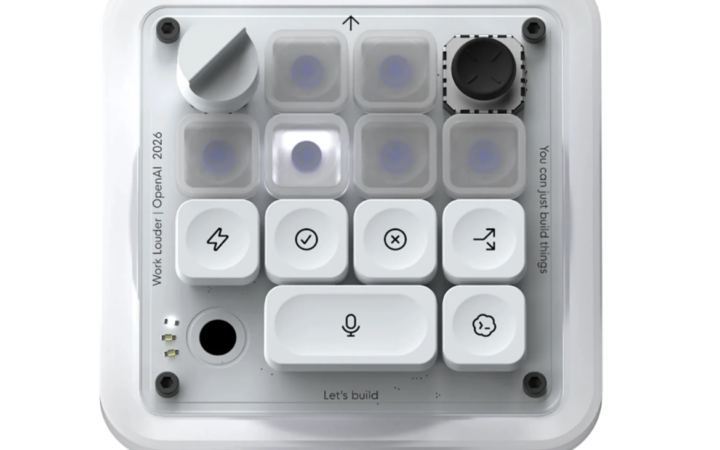
OpenAI has introduced role-specific plugins, collaborative websites, and annotation tools for Codex as the platform expands beyond software development. More than 5 million people now use Codex weekly, with non-developers becoming one of its fastest-growing user groups.
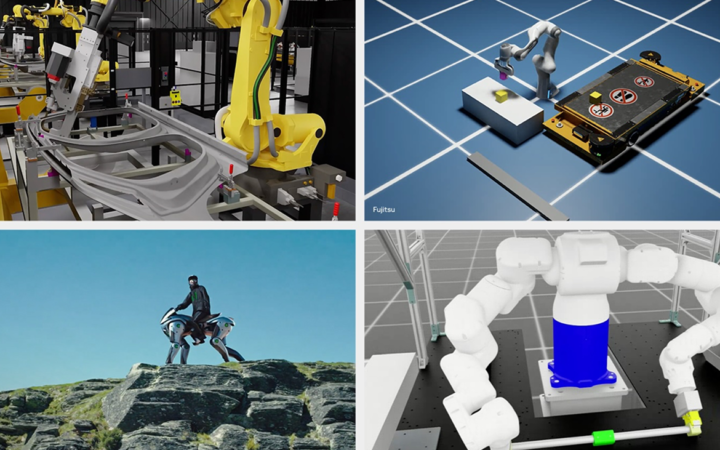
Investors and technology leaders increasingly view humanoid robots as the next major growth opportunity in artificial intelligence. Industry forecasts suggest the market could expand from a few billion dollars today to hundreds of billions within the next decade.
Anthropic says cybercriminals are increasingly using AI for advanced post-compromise operations and autonomous attack chains. The company argues that existing cybersecurity frameworks may no longer fully capture how AI-powered threats operate.
Anthropic is expanding Project Glasswing to approximately 200 organizations using Claude Mythos Preview to identify software vulnerabilities. The initiative aims to strengthen cybersecurity defenses as increasingly powerful AI models become widely available.
Morningstar has valued SpaceX at $780 billion, far below the company’s reported $1.75 trillion IPO target. The research firm cited uncertainty around SpaceX’s AI business, Starlink’s long-term prospects, and unproven technologies.
Alphabet plans to raise $80 billion through stock offerings and a strategic investment from Berkshire Hathaway to expand AI infrastructure. The funding will support growing demand for Google’s AI services and computing capacity.
Major AI companies are increasingly focusing on humanoid robots as the next frontier of artificial intelligence. The shift is drawing investments from Nvidia, OpenAI, Tesla, Meta, and a growing group of robotics startups seeking to bring AI into the physical world.
OpenAI has launched a dedicated robotics division focused on building humanoid robots for infrastructure projects and future consumer use. The move expands the company’s ambitions beyond software and places it in direct competition with Tesla’s Optimus program.
SoftBank plans to invest €45 billion in three large-scale AI data centers in France as part of a broader €93 billion foreign investment push announced at the Choose France summit.