Key Notes
- Amazon is selling the Bee Frontier wearable now for $74.99, while the $99.99 Bee Eclipse phone attachment is coming later.
- Bee Pro adds Alexa and shopping connections alongside other features for $11.99 a month, beyond the basic summaries included with the hardware.
- Amazon says audio is discarded after processing, while transcripts and insights are protected through its Bee Private Compute architecture.
Amazon is expanding Bee from a wearable memory aid into a broader personal AI system, introducing the $74.99 Bee Frontier and the $99.99 Bee Eclipse. The devices turn conversations into summaries and reminders, while optional connections to Alexa+ and Amazon shopping give those memories somewhere to go beyond a transcript.
Frontier is available now, while Eclipse will arrive later, Amazon announced on October 15. The distinction matters: this is a two-product launch with different release schedules, and many of the more ambitious features require a separate Bee Pro subscription.
A Bracelet or a Phone Attachment
Frontier can sit on a wrist or clip onto clothing. Amazon lists dual microphones with improved noise filtering, IP67 water resistance, USB-C charging and up to seven days of battery life. Its three colors are Onyx, Lavender and Sage, and a microphone button lets the wearer decide when it processes conversations.
Eclipse takes a different approach to the same problem. The credit card-sized device attaches magnetically to the back of a phone and promises more than 21 days of battery life. Amazon says it can help capture details from calls, with prompts to obtain participants’ permission when recording begins. Both devices have visible indicators showing when they are active.
The choice is less about buying a more powerful chatbot than choosing where an assistant fits into daily life. A wristband can accompany an in-person meeting without occupying a hand; a phone attachment puts the same kind of memory tool alongside the device people already carry.
The Subscription Connects Memory to Action
Buying the hardware includes conversation summaries, recaps and a 14-day memory window. Bee Pro costs $11.99 a month or $99.99 a year, with a 30-day trial for new customers, and adds unlimited recent conversation summaries alongside features such as daily memories, suggested tasks, a chat assistant, conversation templates and the desktop app.
There is an important exception for existing owners: Bee says people who bought a Pioneer before October 15 keep their existing feature set for free. Newly introduced capabilities, including Bee for Desktop, fall under Pro.
The paid plan also unlocks integrations. Bee’s product site describes connections to email, calendars, photos and health information, alongside Alexa and Amazon.com. These links can turn a remembered discussion into a follow-up task or let someone ask Alexa for yesterday’s Bee insights instead of searching an app.
Shopping is a particularly consequential extension. With the Amazon.com connection enabled, something mentioned in conversation can become a product recommendation. That creates a route from an everyday remark to Amazon’s storefront, although a recommendation should not be confused with permission to place an order. The announcement describes surfacing products, not unrestricted autonomous purchasing.
Deleting Audio Does Not Mean Keeping No Record
Amazon says audio is processed in real time and then discarded. The useful output remains in another form: transcripts, summaries and extracted tasks. Its privacy explanation says these are encrypted with keys controlled by the user’s device and processed inside an isolated environment that Amazon cannot access.
The company calls that system Bee Private Compute and says it builds on AWS Nitro technology. It also links to a Trail of Bits security review and a technical white paper. These are the company’s stated safeguards; they do not make the question of consent disappear when a device is listening to someone other than its owner.
For users, the practical decisions therefore extend beyond whether to press the microphone button. Keeping a searchable conversation history, connecting another service and enabling shopping recommendations are separate choices. Amazon says users can delete transcripts and summaries, and decide what information to share with connected services.
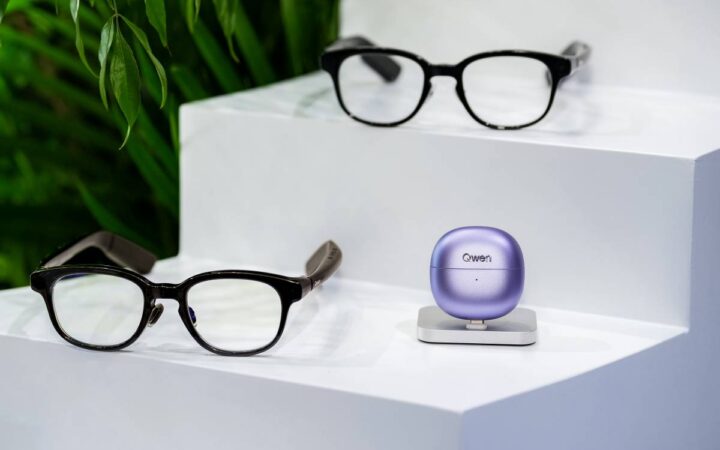
Bee joins an increasingly crowded contest over where personal AI should live. Meta’s Muse Charm puts an assistant into a small companion device, while Alibaba’s Qwen glasses bring it into eyewear. Amazon’s pitch is narrower and easy to understand: remember the conversation first, then make those details useful. Whether that becomes a lasting habit will depend on the quality of the summaries and how comfortable people feel being heard.
Disclaimer: AIstify is an independent media brand owned and operated by NuvexMedia LLC, publishing news, research, and insights on artificial intelligence, emerging technologies, automation, and related industries. NuvexMedia LLC invests in and collaborates with companies across the AI, technology, software, and digital innovation sectors. These relationships do not influence AIstify’s editorial coverage, and the publication maintains full editorial independence to provide accurate, timely, and objective information. © 2026 NuvexMedia LLC. All rights reserved. This content is for informational purposes only and should not be considered legal, tax, investment, financial, or other professional advice.