
Key Notes
- Meta unveiled Muse Charm, an Apple Watch sized, Tamagotchi like keychain device that lets users talk to a customized version of its Muse AI agent through a fingerprint sensor, animated avatar screen, and built-in microphone and speakers.
- Mark Zuckerberg said the device is unfinished, with only a handful of units built so far, but Meta is targeting a December holiday season launch without yet disclosing price, battery life, or connectivity requirements.
- The reveal follows Meta's acquisition of wearable AI pendant maker Limitless in December 2025 and comes about two weeks after Muse itself launched as a personal AI agent app that has quickly become one of the most downloaded apps in the US.
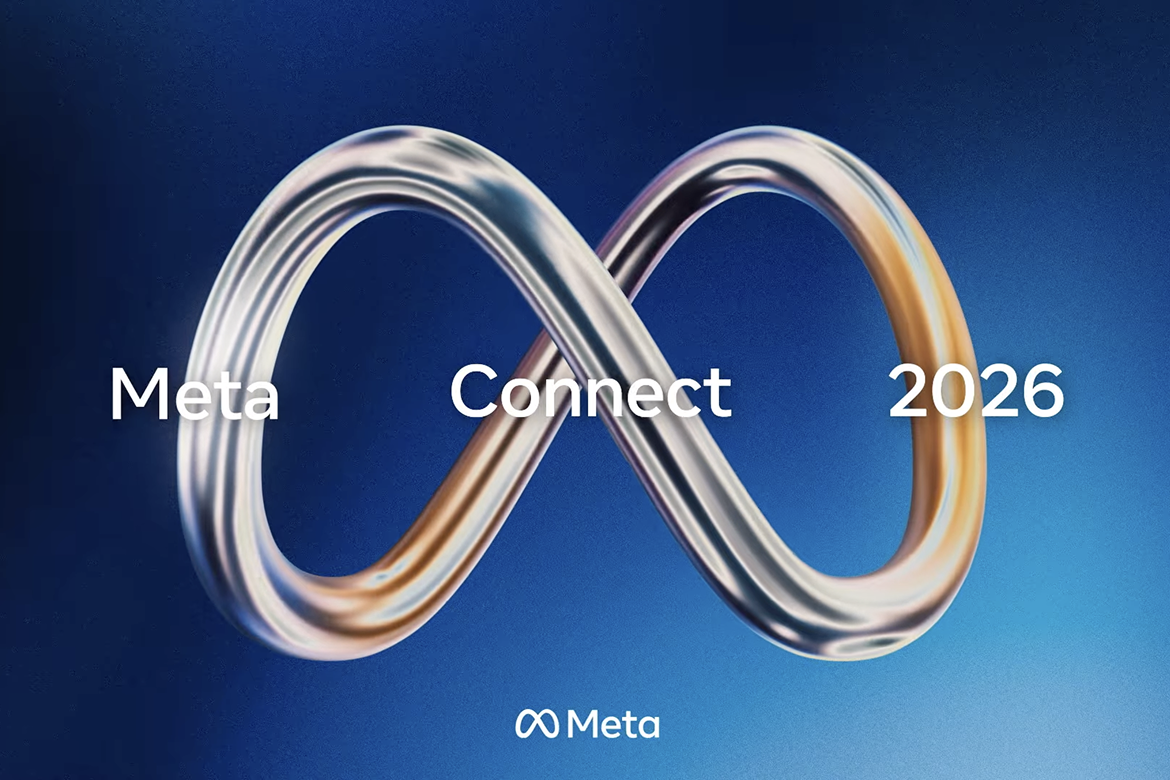
Meta closed its Connect event with a surprise hardware reveal, unveiling Muse Charm, a small keychain sized device built to give its Muse AI agent a physical presence separate from a phone or pair of smart glasses.
Chief executive Mark Zuckerberg introduced the device as a one more thing moment at the end of the keynote, describing it as a way to pack the full Muse experience, including real time voice and an animated avatar, into something that fits on a keychain and is always available to talk to.
A Tamagotchi Sized Companion
According to Bloomberg, Muse Charm is roughly the size of an Apple Watch and shows a small, interchangeable animated avatar on its screen as a visual stand in for a user’s personalized Muse. During the on stage demo, Zuckerberg tapped a fingerprint sensor at the corner of the device to begin talking with it, and the device responded through built in speakers and microphones.
Meta has said the device lets users customize their Muse’s name, avatar, accent, and speaking pace, carrying over the same personalization options already available in the Muse app, and putting that customized character into a small physical object users can glance at or speak to without pulling out a phone.
Not Finished, But Aiming for the Holidays
Zuckerberg acknowledged Muse Charm is not yet a finished product, saying Meta has built only a handful of units so far and still needs to finalize its components and design. The company is nonetheless targeting a holiday season launch this December. Meta has not disclosed pricing, battery life, connectivity requirements, or whether the device needs to be paired with a phone to function, details that outside coverage of the keynote noted remain unanswered ahead of the planned launch window.
Meta’s Second Attempt at an AI Wearable
Muse Charm is not Meta’s first foray into standalone AI hardware. The company acquired wearable AI pendant maker Limitless in December 2025, and has previously said that deal would help accelerate its work on AI enabled wearables, though it has not confirmed whether the Limitless team worked directly on Charm.
The broader category of AI mounted wearables has a mixed track record, with devices such as the Humane AI Pin and Rabbit’s R1 both struggling to find an audience after launch, and Humane’s assets were ultimately sold to HP in early 2025 after the company shut down its Pin service.
Muse Charm arrives just over two weeks after Meta launched the Muse app itself on September 8, a personal AI agent designed to autonomously handle tasks like sending emails, shopping, and booking travel through a dedicated cloud based virtual machine, and built on top of the open source OpenClaw agent framework.
Muse has already become one of the most downloaded apps in the US since its debut, and Meta separately announced during Connect that Muse would be extended to its smart glasses lineup and to a macOS version with computer use capabilities.
Open Questions Around Privacy and Access
Neither Meta’s on stage presentation nor its own Connect blog post detailed how Muse Charm handles data security or what happens to conversations recorded through the device’s always available microphone when it is not actively in use.
The announcement also did not address whether Charm would rely on the same virtual machine architecture Meta has used to isolate Muse sessions in its app and web products, or whether the device introduces new data handling considerations given that it is designed to be worn or carried at all times rather than opened deliberately like a phone app.
The reveal also arrived the same week Reuters reported that Meta has been testing human contractors to quietly handle some phone calls placed through Muse’s calling feature, after some employees internally flagged privacy concerns about the practice.
Packaging Muse into an always on wearable raises a similar set of questions on a smaller scale, since a device meant to be carried constantly and activated with a single tap leaves less room for the kind of deliberate, phone screen based confirmation that has so far been central to how Meta says it keeps sensitive actions, like sending money or making a purchase, under a user’s explicit control.
Disclaimer: AIstify is an independent media brand owned and operated by NuvexMedia LLC, publishing news, research, and insights on artificial intelligence, emerging technologies, automation, and related industries. NuvexMedia LLC invests in and collaborates with companies across the AI, technology, software, and digital innovation sectors. These relationships do not influence AIstify’s editorial coverage, and the publication maintains full editorial independence to provide accurate, timely, and objective information. © 2026 NuvexMedia LLC. All rights reserved. This content is for informational purposes only and should not be considered legal, tax, investment, financial, or other professional advice.