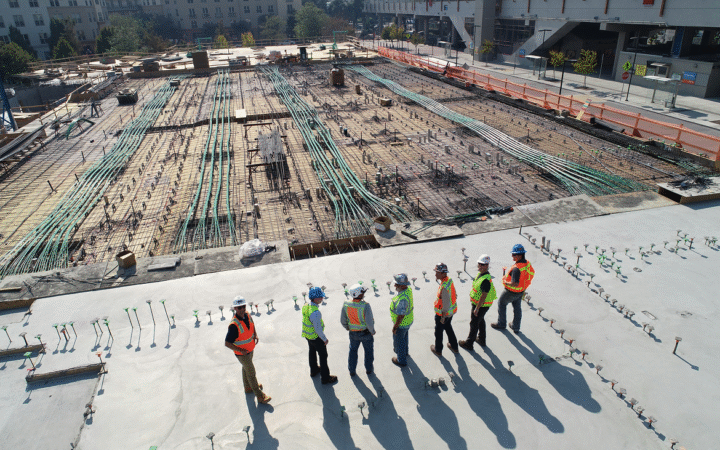
AI Data Center Boom Drives Skilled Labor Shortage
Surging investment in AI data centers is fueling demand for skilled trade workers, creating labor shortages and rising wages. The trend highlights the physical infrastructure behind AI growth.
An AI workflow is the end-to-end sequence used to turn a problem and its data into a functioning artificial intelligence system. Depending on the application, it may include data collection, cleaning, labeling, model selection, training, evaluation, deployment, monitoring, and feedback. Generative AI workflows can also add retrieval, prompt construction, tool calls, guardrails, and human approval steps. Mapping the workflow makes dependencies and failure points visible: poor inputs can undermine a strong model, while missing monitoring can allow quality to decline unnoticed. Well-designed workflows define ownership, measurable acceptance criteria, data-handling rules, and fallback behavior for cases the system cannot handle safely.
Surging investment in AI data centers is fueling demand for skilled trade workers, creating labor shortages and rising wages. The trend highlights the physical infrastructure behind AI growth.
Meta has introduced a desktop version of Manus, enabling its AI agent to operate directly on users’ devices. The move intensifies competition in the fast-growing AI agent market.
An anonymous AI model called Hunter Alpha has surfaced online, prompting speculation that it may be an early test of DeepSeek’s upcoming system. Its advanced capabilities and similarities to rumored specifications have drawn attention from developers.
Chinese AI stocks jumped after Nvidia CEO Jensen Huang praised OpenClaw as “the next ChatGPT,” boosting companies building agent-based AI systems.
Google is expanding Personal Intelligence in the U.S., enabling Gemini and AI Search to deliver personalized answers by connecting data across apps like Gmail and Photos.
OpenAI is preparing a strategic pivot toward coding and enterprise users, as leadership evaluates which projects to scale back after a period of rapid expansion.
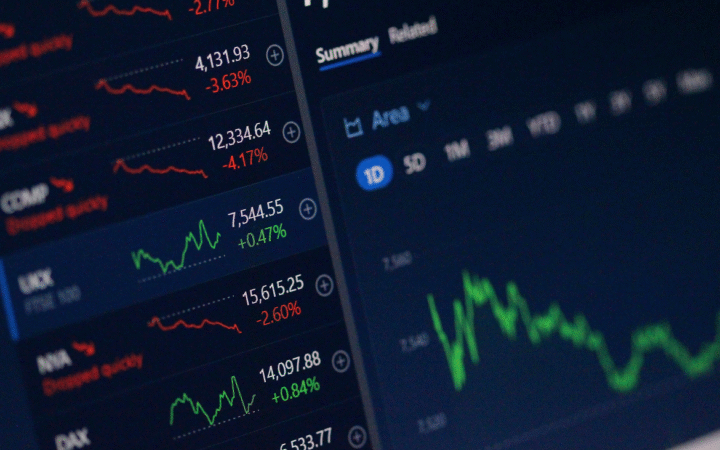
Elon Musk’s xAI is recruiting investment bankers, traders, and crypto experts to train its Grok chatbot on financial markets as it competes for enterprise customers.
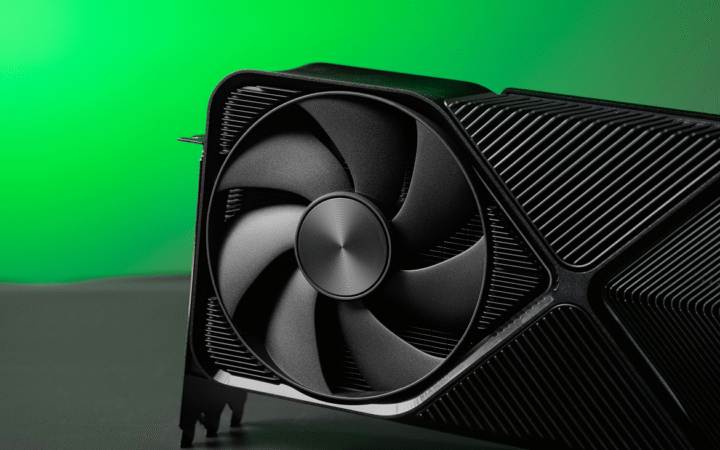
Nvidia CEO Jensen Huang said demand for Blackwell and Vera Rubin systems could reach $1 trillion by 2027, as the company unveiled new chips, racks, and AI infrastructure at GTC.
Nvidia CEO Jensen Huang will deliver the keynote at the GTC 2026 conference, where investors expect new AI product announcements and demand outlook updates.
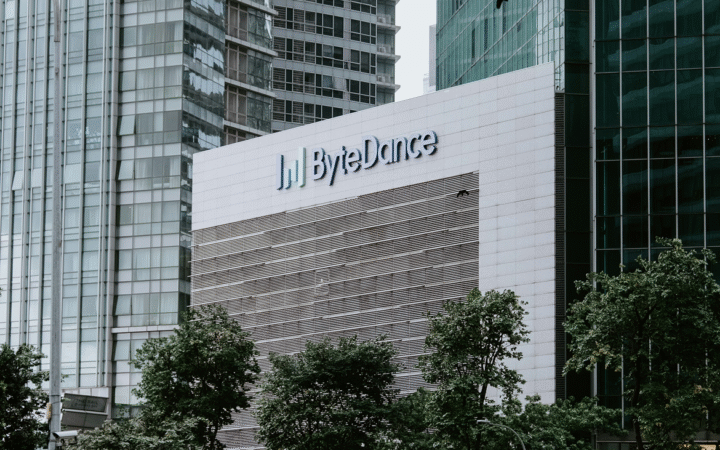
ByteDance has reportedly paused the global rollout of its Seedance 2.0 AI video generator after viral clips sparked backlash from Hollywood studios over intellectual property concerns.