Key Notes
- Meta is rolling out customizable Spaces inside Muse wherever the app is available, while shared Spaces remain a future possibility.
- A separate model update brings memory and task-persistence improvements measured in company-run evaluations.
- The practical test is whether connected tools remain accurate and useful enough to become part of people’s daily routines.
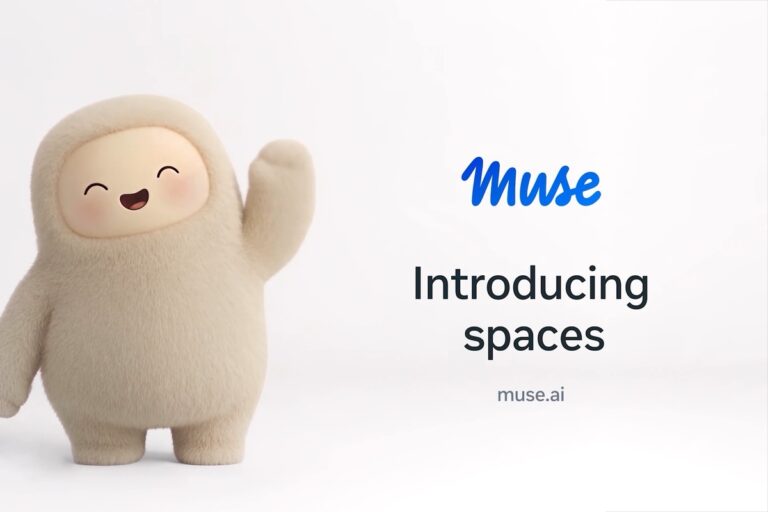
Meta is giving Muse users a way to turn a prompt into a personal tool they can keep using. The company introduced Spaces on November 6, adding customizable experiences inside its AI app rather than requiring people to start each task in a fresh conversation.
Users can describe a planner, tracker or game, then revise it through conversation. Spaces remain inside Muse, with placement in the sidebar or main tabs. They can also appear on a schedule, making the interface change with a person’s routine.
Connected apps can supply background updates. Meta’s examples include school planning and small-business order tracking, where useful information would otherwise be spread across messages and separate services. The rollout covers places where Muse is available; sharing Spaces with other people is still being explored.
A Personal Interface That Survives the Conversation
For users, the attraction is continuity. A useful planning tool needs to retain its structure and remain easy to find after the conversation that created it has ended. Returning to an existing workspace also gives people something concrete to inspect and adjust, instead of having to restate their requirements.
The release extends a shift already visible in OpenAI’s Intelligent UI, which brought interactive diagrams, maps and small tools into ChatGPT answers. Muse’s emphasis is on making a custom experience a recurring part of the app. Those are related approaches, although the interfaces and available connections differ.
Better Memory Is Part of the Rollout
Meta separately announced specialized models for Muse and Meta AI on November 6, trained using Muse Wonder. The update brings Active Memory, intended to retrieve relevant information from earlier conversations, and Active Focus, designed to help models continue toward a goal when obstacles arise.
In Meta’s own evaluations, the new Muse model scored 47% on its Personal Superintelligence Index, compared with 38% for the previous model. A memory evaluation rose from 76% to 90%, while the company reported a 67% improvement on everyday tasks involving unexpected problems. These are company-reported results on particular tests, rather than a guarantee that a personal workflow will run correctly.
The model work connects Spaces to the broader Muse Wonder strategy: better reasoning matters most when it helps the assistant remember a constraint, recover from a failed step or complete a useful task. We have also examined Muse’s growing download figures, which measure interest without establishing long-term retention.
Spaces give Meta another reason for people to return. A general-purpose chat window competes for attention each time someone has a question; a planner or order tracker can become part of an existing routine. Whether that produces durable use will depend on how accurately the tool stays synchronized and how easily people can correct it.
For connected tools, a polished interface is only part of the job. Users still need to understand which accounts supply information, whether a displayed value is current and what actions the assistant can take. A dashboard that is easy to build becomes more valuable when its sources and limits are equally easy to understand.
Disclaimer: AIstify is an independent media brand owned and operated by NuvexMedia LLC, publishing news, research, and insights on artificial intelligence, emerging technologies, automation, and related industries. NuvexMedia LLC invests in and collaborates with companies across the AI, technology, software, and digital innovation sectors. These relationships do not influence AIstify’s editorial coverage, and the publication maintains full editorial independence to provide accurate, timely, and objective information. © 2026 NuvexMedia LLC. All rights reserved. This content is for informational purposes only and should not be considered legal, tax, investment, financial, or other professional advice.