Key Notes
- Arizona Representative Yassamin Ansari wants Democrats to prioritize a pause on advanced AI development, tighter industry regulation and a ban on artificial superintelligence.
- The demand is a policy proposal rather than an enacted prohibition, and her social media statement does not provide technical thresholds or an enforcement timetable.
- An earlier Sanders–Casar bill offers a model for restrictions through a new federal AI department, while any nationwide ban would still have to pass through the legislative process.
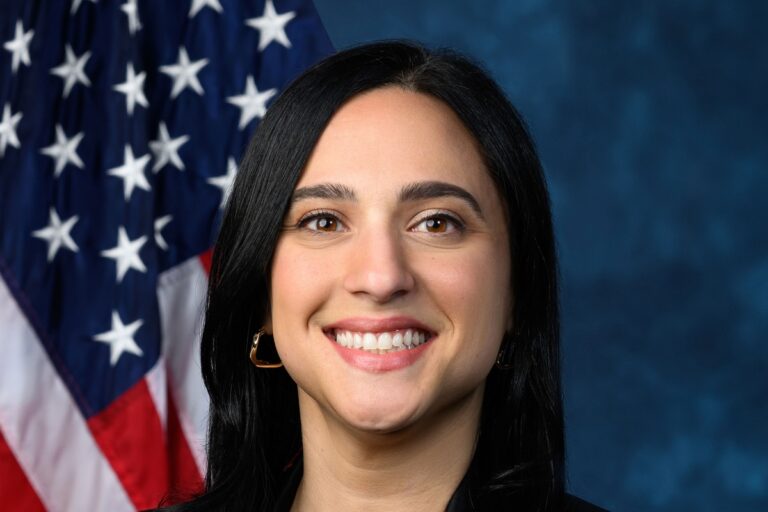
Rep. Yassamin Ansari wants Democrats to put the brakes on the AI race. The Arizona congresswoman has called for a pause on advanced AI development, tighter regulation of the industry and a ban on artificial superintelligence, placing the pace of technological progress on the agenda for the next Congress.
In a November 4 statement, Ansari said those measures should be a priority from the party’s first day in power. She described the industry as “out of control.” The post followed the Democrats’ midterm election victory, giving fresh political weight to proposals that would restrict how powerful AI systems are developed.
Top of the Democratic agenda on day 1 needs to be a pause on advanced AI development
— Congresswoman Yassamin Ansari (@RepYassAnsari) November 4, 2026
Her demand is a call for legislation, rather than an announcement that research has been halted. It also does not establish a single Democratic position on AI. Ansari is pressing her party to make a particular choice: intervene before the next generation of systems is built, instead of relying on companies to decide when their own safeguards are sufficient.
A Pause and a Ban Would Do Different Things
Ansari’s statement separates a temporary stop to advanced development from a prohibition on superintelligence. The first would interrupt the development of powerful models while oversight catches up. The second would place a lasting boundary on what developers may build. She did not spell out a technical threshold, exceptions or an enforcement timetable in the post.
That distinction matters for the scope of any eventual law. A demand to pause advanced model development does not, by itself, specify that every existing chatbot or business application must be switched off. The practical effect would depend on how legislation defines the systems it covers, what activities it restricts and how regulators determine whether a model crosses the line.
Washington Already Has a Blueprint for Restrictions
Sen. Bernie Sanders and Rep. Greg Casar introduced the Ban Artificial Superintelligence Act on September 23. Their proposal would create a cabinet-level Department of Artificial Intelligence, prohibit the development and deployment of superintelligence, and pause advanced AI development until the new regulator is staffed and has established safety rules and review procedures.
The published bill text uses training compute to define advanced systems, starting at 10^25 operations, with adjustments for changes in training efficiency. Its definition of superintelligence includes systems exceeding human cognitive capabilities across most domains, as well as systems capable of planning and carrying out humanity’s destruction or disempowerment.
The text also identifies capabilities regulators would scrutinize, including resistance to shutdown, unauthorized access to infrastructure and automated AI research. We examined the earlier Sanders–Casar proposal when its sponsors first outlined it. Ansari’s latest statement renews the argument for restrictions without providing a separate legislative text.
The Fight Is Over Who Gets to Set the Limits
The industry has its own language for the same underlying concern. Sam Altman, chief executive of OpenAI, recently reiterated that people should remain in control of the future and that preserving that control must constrain AI progress. His human-control message preceded and continued through the election. It does not amount to an endorsement of Ansari’s proposed pause or ban.
The incoming Democratic majorities take office in January, while Donald Trump remains president. A nationwide prohibition would still require the legislative process; winning Congress does not itself impose one. The immediate test is whether Ansari’s demand gains the backing needed to become a party priority, followed by concrete decisions about which research can continue and who has the authority to stop it.
Disclaimer: AIstify is an independent media brand owned and operated by NuvexMedia LLC, publishing news, research, and insights on artificial intelligence, emerging technologies, automation, and related industries. NuvexMedia LLC invests in and collaborates with companies across the AI, technology, software, and digital innovation sectors. These relationships do not influence AIstify’s editorial coverage, and the publication maintains full editorial independence to provide accurate, timely, and objective information. © 2026 NuvexMedia LLC. All rights reserved. This content is for informational purposes only and should not be considered legal, tax, investment, financial, or other professional advice.