
Key Notes
- Reuters reports that roughly 600,000 Nvidia H200 chips are in Hong Kong awaiting shipment to mainland China, citing people familiar with the matter.
- Some small shipments have reached mainland buyers, but Beijing has yet to approve large-volume imports.
- The backlog highlights the gap between obtaining AI hardware and securing the computing capacity needed to train and run models.
About 600,000 Nvidia H200 AI chips are being held in Hong Kong while awaiting shipment to mainland China, according to Reuters, highlighting a growing gap between Chinese companies’ demand for computing power and Beijing’s willingness to approve large-scale imports.
Reuters reported the previously undisclosed stockpile on November 5, citing two people familiar with the matter.
Small Deliveries, With Large-Scale Imports Still Waiting
Beijing has allowed some H200 shipments into mainland China in recent months. Several major Chinese internet companies have each received roughly 10,000 chips, one of Reuters’ sources said, but large-volume imports remain unapproved. Nvidia and the Chinese authorities contacted by Reuters did not respond to requests for comment.
The new estimate extends the picture from August’s coverage, when limited deliveries to ByteDance and Tencent sat alongside pressure to keep much of the hardware outside the mainland. The distinction between obtaining processors and being able to deploy them at scale remains central to the story.
Why an Older GPU Still Matters
The H200 is based on Nvidia’s Hopper architecture and is no longer the company’s newest AI processor. Its specifications include 141GB of high-bandwidth memory and memory bandwidth of 4.8 terabytes per second. Nvidia offers the accelerator in configurations designed for training, inference and other demanding computing workloads.
Memory capacity helps determine how much model data a GPU can hold, while bandwidth affects how quickly that data can be moved. Those characteristics help explain why an older accelerator can remain useful even after a newer generation arrives. Buyers also need software that can run their workloads and systems that connect multiple processors efficiently.
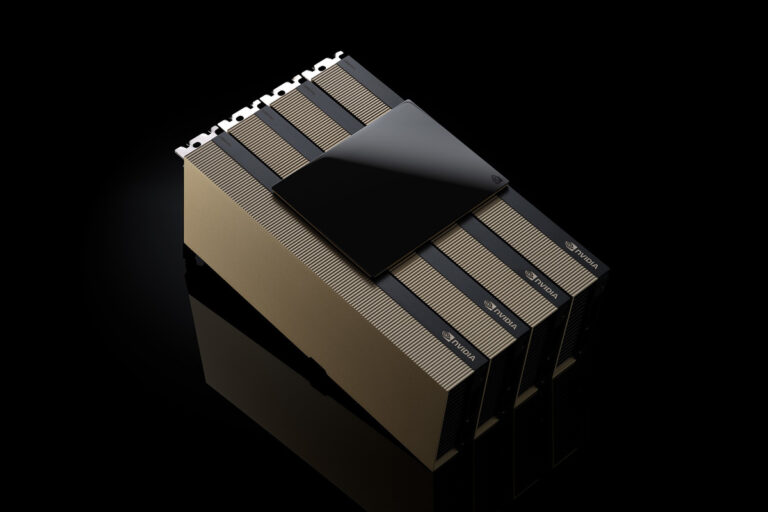
Nvidia’s HGX platform pairs H200 GPUs in four- and eight-GPU server-board configurations. Turning individual chips into useful AI infrastructure therefore involves servers, interconnects and data-center capacity as well as the accelerators themselves.
AI Demand Meets Beijing’s Push for Domestic Chips
Reuters describes Beijing’s hesitation as a conflict between reducing dependence on U.S. technology and meeting Chinese firms’ immediate computing needs. The report also cited an offer above 6 million yuan, about $900,000, for an eight-card H200 server in mainland China at the end of October, illustrating the prices being sought in the constrained market.
The policy dispute operates on both sides of the trade. Washington has permitted H200 sales to approved Chinese customers, while Beijing controls whether large quantities enter the mainland. Our earlier reporting examined how U.S. purchase approvals could coexist with stalled deliveries.
The practical question now is how much of the reported inventory receives permission to move, and when customers can put it to work. For companies planning their next training run or expanding AI services, that timetable determines whether hardware demand translates into usable capacity.
Disclaimer: AIstify is an independent media brand owned and operated by NuvexMedia LLC, publishing news, research, and insights on artificial intelligence, emerging technologies, automation, and related industries. NuvexMedia LLC invests in and collaborates with companies across the AI, technology, software, and digital innovation sectors. These relationships do not influence AIstify’s editorial coverage, and the publication maintains full editorial independence to provide accurate, timely, and objective information. © 2026 NuvexMedia LLC. All rights reserved. This content is for informational purposes only and should not be considered legal, tax, investment, financial, or other professional advice.