Key Notes
- Bill Gates says governments must adapt taxation to AI-driven wealth creation and take primary responsibility for addressing inequality.
- His earlier proposal to tax AI tokens and robots would help fund worker retraining while protecting beneficial uses of the technology.
- The interview sets out a policy direction without specifying a billionaire tax rate, a wealth threshold or legislation.
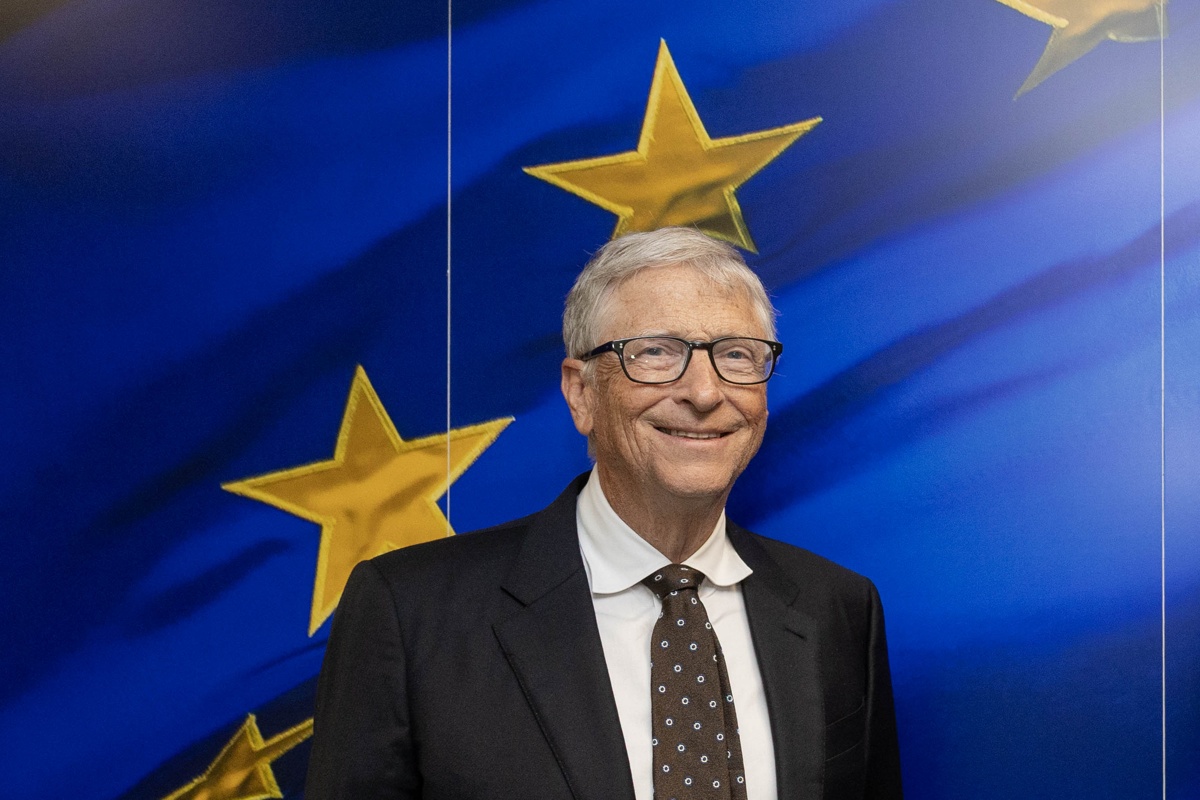
Bill Gates says governments will need to tax billionaires as artificial intelligence reshapes work and creates new wealth. The Microsoft co-founder is placing responsibility for addressing inequality with public institutions, while arguing that philanthropy should complement their work.
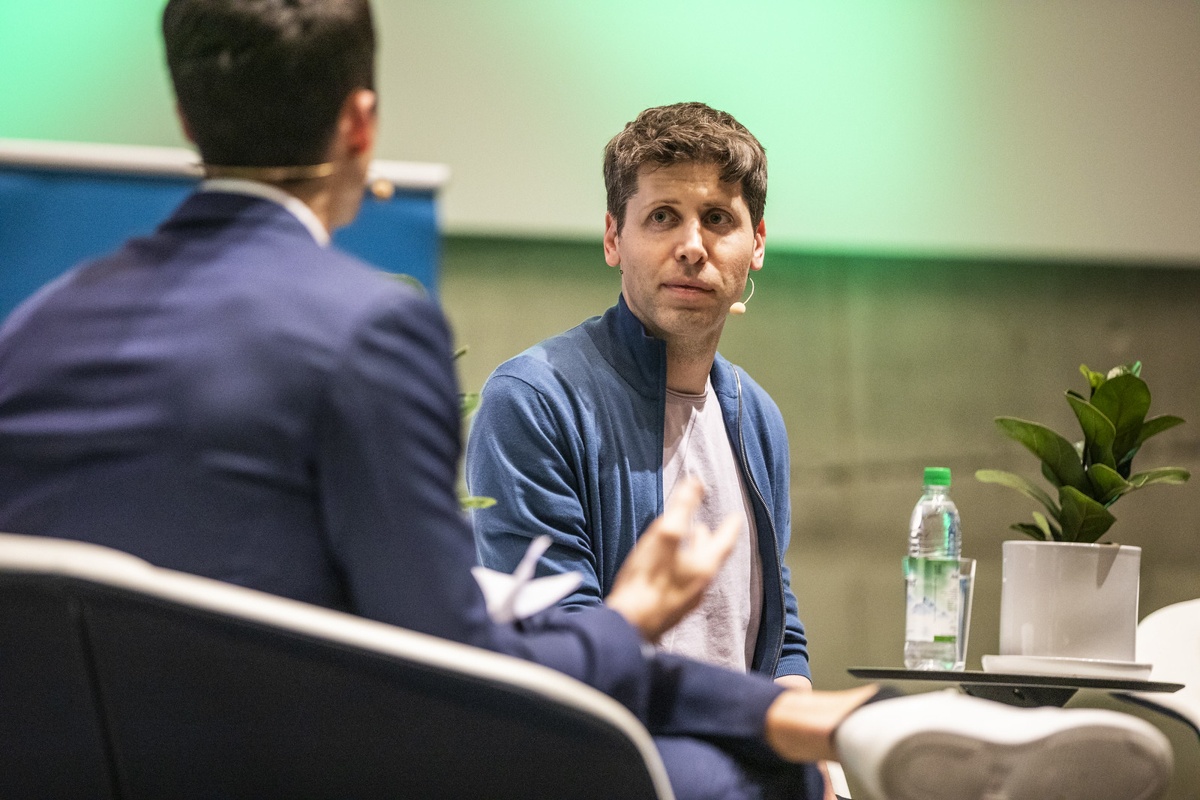
Speaking with Financial Times AI editor Madhumita Murgia at the FT’s Future of AI Summit on November 4, Gates said: “The primary responsibility for dealing with inequality will always rest with governments.” He described charitable giving as voluntary and called for tax systems capable of reaching people with very large fortunes.
Fortune highlighted the remarks on November 6. Gates did not present a tax rate, a wealth threshold or a legislative proposal in that discussion, leaving the design of any such policy open.
Public Support Comes Before Voluntary Giving
The distinction matters for people whose livelihoods change as AI spreads. A public safety net can provide support through rules and budgets that apply across a population. Philanthropic projects depend on donors’ decisions about what to fund, where to operate and how long to continue.
Gates’s own foundation has committed to a substantial expansion. In May 2025, it announced a plan to spend about $200 billion over the following two decades and wind down operations by 2045. The projected spending draws on its existing endowment and future contributions from Gates, with the eventual amount dependent on markets and inflation.
That program includes work on preventable deaths, infectious diseases and poverty, alongside the use of AI in health, education and agriculture. Such projects can expand access to useful technology. The broader challenge Gates identifies is how to support households and communities whose income is disrupted during the transition.
His Earlier Proposal Would Tax AI Tokens and Robots
Gates had already outlined a related argument in an August 26 essay: tax policy should rebalance the treatment of labor and capital as automation advances. He argued that employers face payroll taxes when hiring people, while spending on machines can receive favorable tax treatment, encouraging faster substitution of technology for workers.
His suggested response included taxes on AI tokens and robots to help finance retraining and a stronger safety net. He also said those measures should be targeted to avoid holding back beneficial uses, such as making medicine and education less expensive. The essay framed that trade-off as a way to give people more time to adapt.
A billionaire tax and a tax on automated activity would address different parts of the transition. One concerns the concentration of wealth; the other concerns how businesses deploy technology and contribute to public revenue. Putting either into practice would require decisions about the tax base, who pays and which activities qualify.
The proposal sits alongside Gates’s Human Reserved idea, which would keep some roles in human hands for social or economic reasons. Together, these arguments treat employment as a source of security and social connection as well as a way to produce goods and services.
The AI Capital Race Gives the Debate New Urgency
The scale of AI financing makes questions about its distribution increasingly consequential. On November 6, we reported that OpenAI had received about $11 billion in an initial funding close at a $1.25 trillion valuation. That is a reported price for a private company, rather than a measure of any founder’s personal fortune or tax liability.
Gates is asking policymakers to connect the gains from technological progress with the cost of helping people through it. The practical test is whether stronger productivity translates into better living standards, accessible services and support for workers whose jobs or hours change.
Disclaimer: AIstify is an independent media brand owned and operated by NuvexMedia LLC, publishing news, research, and insights on artificial intelligence, emerging technologies, automation, and related industries. NuvexMedia LLC invests in and collaborates with companies across the AI, technology, software, and digital innovation sectors. These relationships do not influence AIstify’s editorial coverage, and the publication maintains full editorial independence to provide accurate, timely, and objective information. © 2026 NuvexMedia LLC. All rights reserved. This content is for informational purposes only and should not be considered legal, tax, investment, financial, or other professional advice.