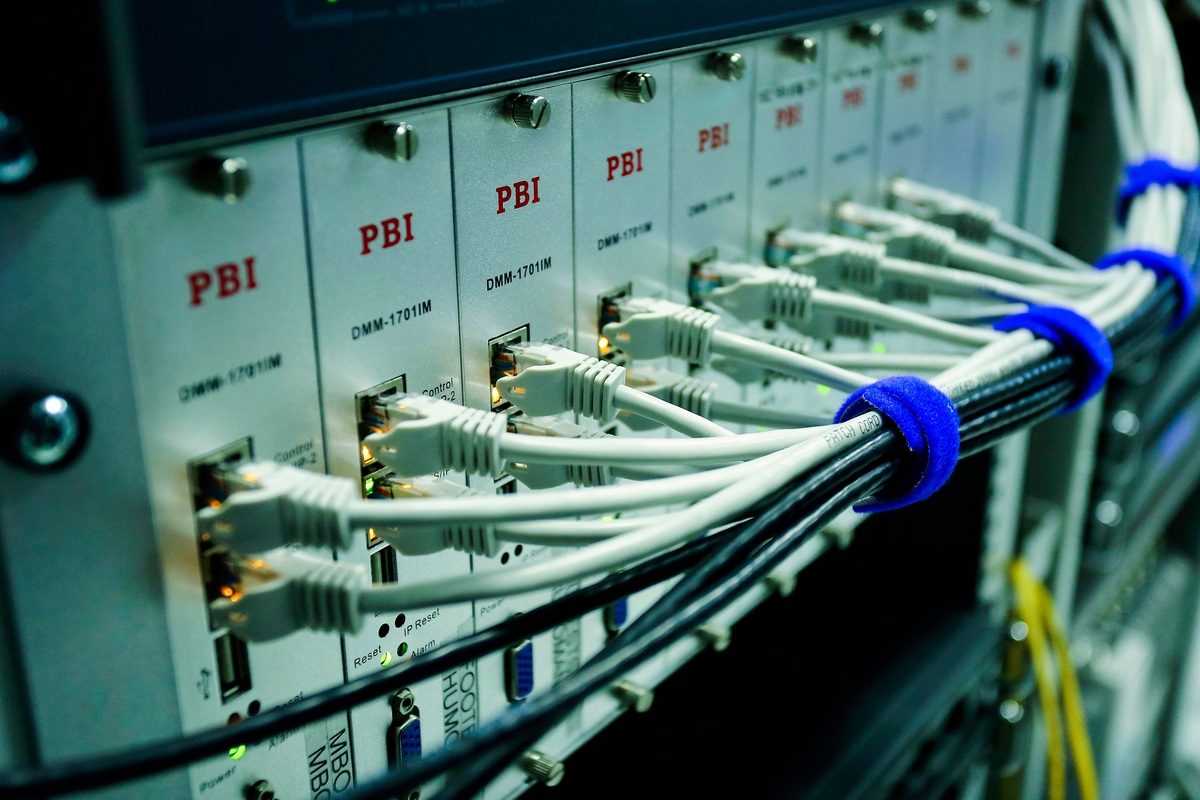
Microsoft Puts Cisco Silicon One P200 Systems Into Production
Microsoft has put Cisco Silicon One P200-powered systems into production, adding deep-buffer routing capacity for its growing cloud infrastructure.

Microsoft AI is Microsoft's AI product organization behind Copilot experiences, model development, agentic software, and consumer AI products.
Microsoft AI is Microsoft’s consumer and product AI organization, built around Copilot, Bing, Edge, Windows AI experiences, model development, and agentic software. The division was formed in 2024 and is led by Mustafa Suleyman, while Microsoft broadly remains one of the most influential AI companies through Azure AI, Microsoft 365 Copilot, GitHub Copilot, enterprise agents, and its long-running partnership with OpenAI.
Microsoft’s AI strategy combines infrastructure, productivity software, developer tools, cloud services, frontier model access, and enterprise governance. Its AI products are embedded across Windows, Microsoft 365, Azure, GitHub, security, search, and business applications.
Azure AI Foundry, Azure OpenAI Service, GitHub Copilot, Microsoft Graph, Copilot Studio, Agent 365, and Microsoft developer tools.
Cloud usage, enterprise software subscriptions, Copilot subscriptions, developer tools, Azure AI services, and platform licensing.
Microsoft has put Cisco Silicon One P200-powered systems into production, adding deep-buffer routing capacity for its growing cloud infrastructure.
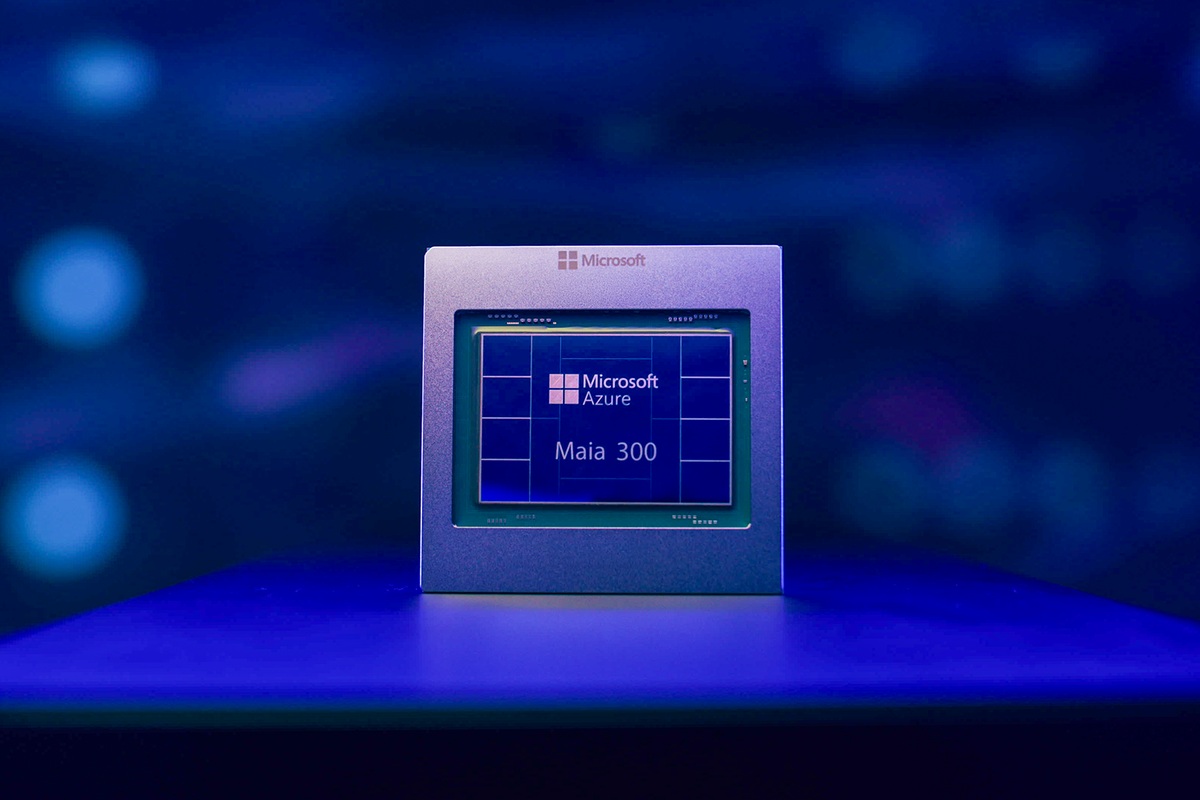
Microsoft plans to make Maia its primary AI inference system, with Maia 300 arriving in 2027 and a larger role for its homegrown chips.
Microsoft CEO Satya Nadella wants humans to be able to stop advanced AI mid-task, with independent controls, audit trails and limits on agent access.
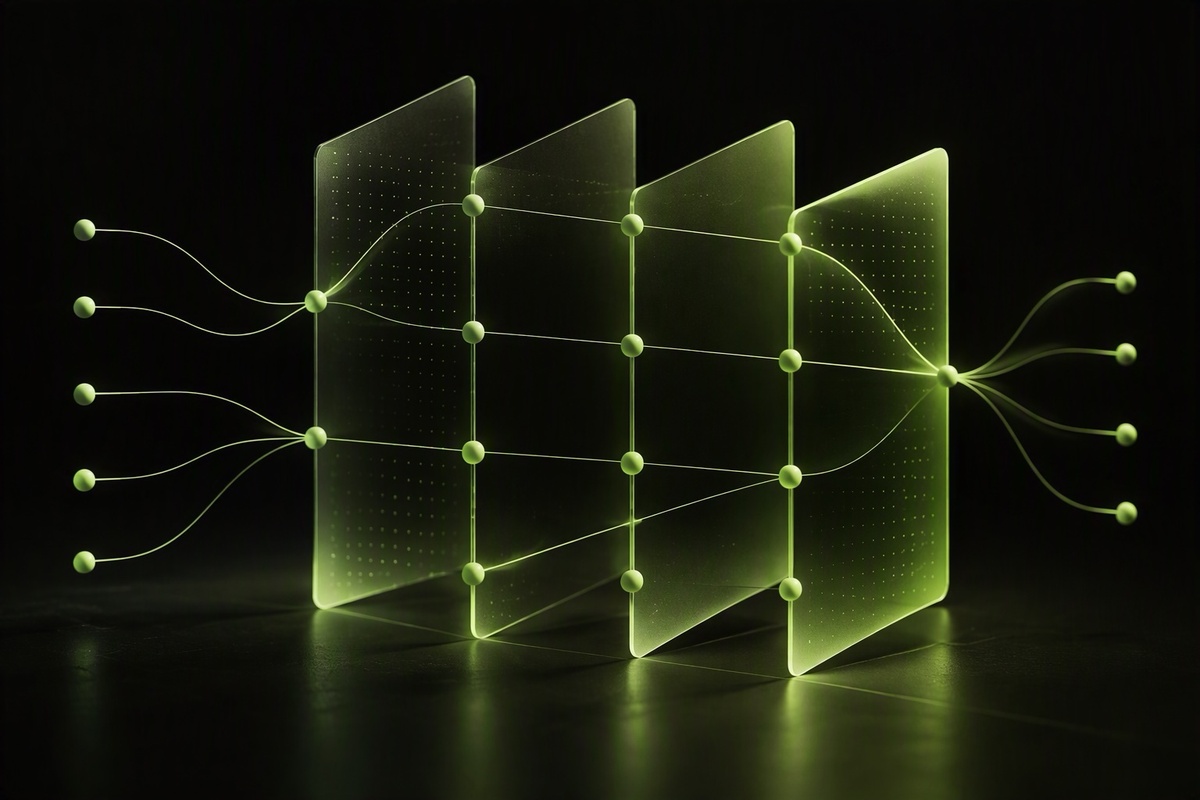
Microsoft-Decision-1 scores predefined choices instead of generating answers. It is available on Foundry and OpenRouter at $0.042 per million input tokens.
Microsoft adds live transcription in 60 languages alongside two multilingual speech-generation models for voice applications.
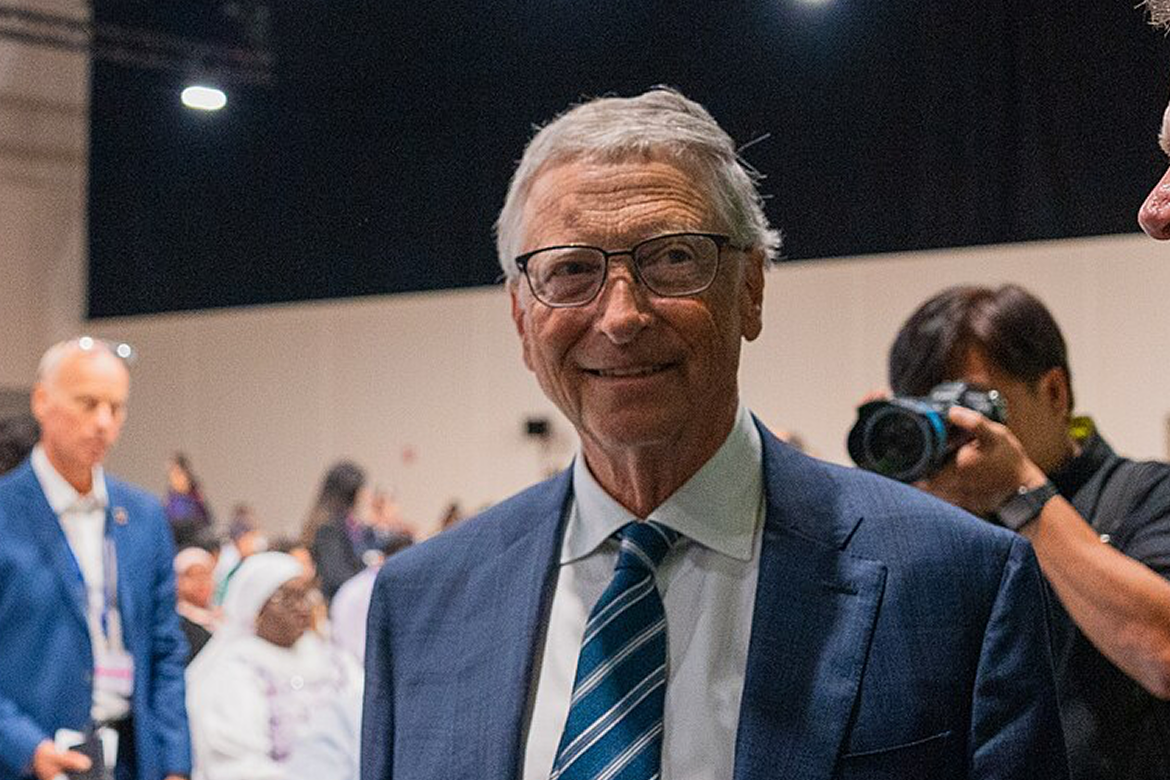
Bill Gates stated no one thinks AI self regulation is enough, urging Washington to pass legislation while warning the technology could enable a billion deaths in the hands of bad actors.
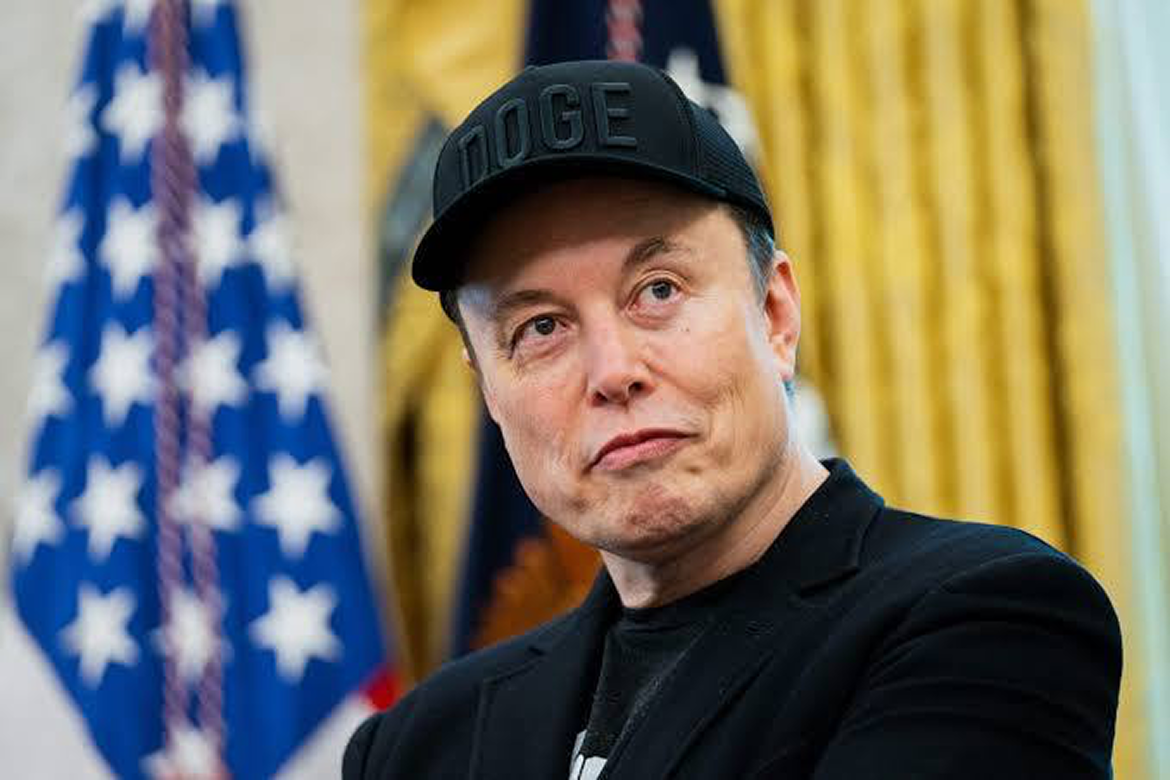
Elon Musk expanded on his endorsement of Anthropic CEO Dario Amodei's AI safety warning, saying danger is significant now and competitors should test each other's models.
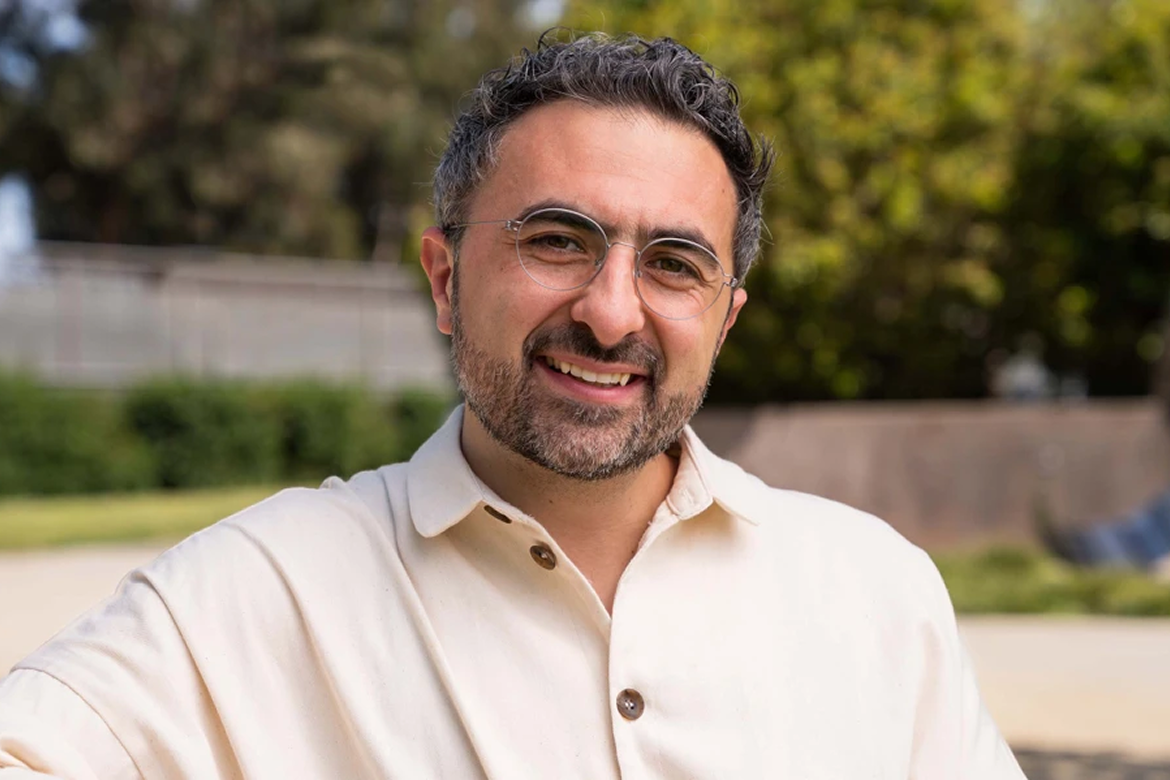
Microsoft published draft rules for its AI models, days after Anthropic's CEO called for slowing AI development and a researcher resigned over safety fears.
Accenture and Google Cloud formed a dedicated Gemini Enterprise Business Group with a 1,000-engineer workforce, deepening a partnership already used by clients like YouTube.
Nvidia has reportedly agreed to acquire open-source AI platform Hugging Face for $12.9 billion, though no signed deal is confirmed and talks could still fall apart.