Center for Human-Compatible AI
Center for Human-Compatible AI is a research center at the University of California, Berkeley focused on AI alignment and human-compatible artificial intelligence.
You are viewing the comprehensive archive for articles tagged with "ai safety." Our editorial team delivers timely artificial intelligence coverage, practical insights, and industry-focused analysis across the topics shaping how AI is built, funded, regulated, and adopted. This section brings together the most relevant news, research, and expert commentary to help you understand trends and make better technology decisions. Stay informed with AIstify to keep your perspective current and complete.
Center for Human-Compatible AI is a research center at the University of California, Berkeley focused on AI alignment and human-compatible artificial intelligence.
LawZero is a nonprofit AI safety organization launched by Yoshua Bengio to research safer forms of advanced artificial intelligence.
METR is a nonprofit research institute that evaluates frontier AI models, with a focus on capabilities, long-horizon tasks, and safety-relevant risks.
Future of Life Institute is a nonprofit organization that works on reducing large-scale risks from advanced technologies, with a major focus on artificial intelligence.
Center for AI Safety is an American nonprofit organization focused on technical AI safety research, risk reduction, policy engagement, and field building.
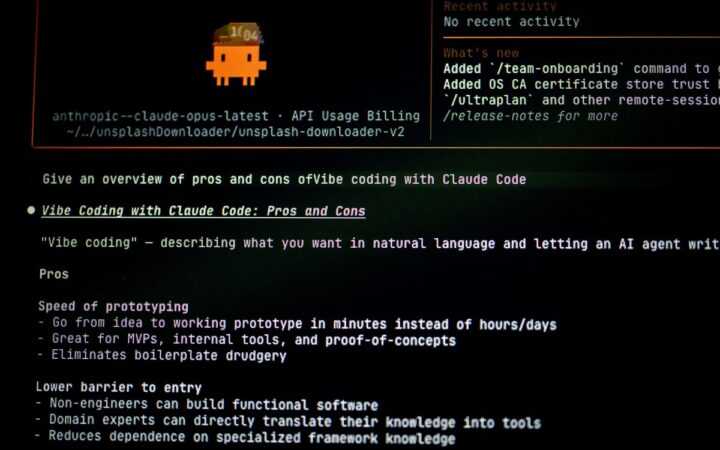
Anthropic is the AI safety and research company behind Claude, building frontier AI models and enterprise tools focused on reliability, interpretability, and steerability.
Anthropic co-founder Chris Olah told the Vatican that AI development cannot be left solely to technology companies, warning about commercial incentives, labor disruption, and the growing complexity of frontier AI systems.
Anthropic says its unreleased Mythos AI model has identified more than 10,000 high- and critical-severity software vulnerabilities as part of Project Glasswing, a cybersecurity initiative focused on protecting critical infrastructure and open-source software.
Pope Leo has called for stronger global oversight of artificial intelligence, warning that unchecked AI development could fuel misinformation, labor disruption, surveillance, and autonomous warfare.
Anthropic co-founder Chris Olah warned that AI development cannot be left solely to technology companies and called for greater oversight from governments, religious institutions, and civil society.
Meta is expanding its AI-driven age detection systems and Teen Account protections across Instagram and Facebook to better identify underage users and enforce safety measures. The move broadens geographic coverage and adds new visual analysis tools.
OpenAI outlined how ChatGPT detects and responds to potential threats of violence, including escalation to human reviewers and law enforcement. The update follows growing scrutiny of AI safety practices.
Families of victims in a Canadian school shooting have sued OpenAI, alleging it failed to alert authorities about warning signs in ChatGPT conversations. The case raises questions about AI oversight and duty of care.
Anthropic is rolling out identity verification for Claude users to strengthen safety and compliance. The move introduces ID checks for certain features and use cases.
Anthropic is giving U.K. banks controlled access to its Mythos model, marking a major step in the global rollout of AI-powered cybersecurity tools.