OpenAI and Meta Warn US Courts Deepfake Detection May Never Be Fully Reliable
OpenAI and Meta warned a federal evidence panel that no universal tool can reliably authenticate every AI-generated image or video.
MLOps is the set of practices used to move machine learning from experiments into reliable production services. It connects data preparation, training pipelines, experiment tracking, model registries, automated testing, deployment, monitoring, and retraining with software engineering and operational controls. Unlike ordinary application code, a model can degrade when incoming data or real-world behavior changes even if no code was modified. MLOps therefore tracks data quality, performance, drift, lineage, versions, and infrastructure alongside uptime and errors. Effective implementation also defines approval gates, rollback procedures, security, cost controls, and clear ownership among data scientists, engineers, platform teams, and domain experts.
OpenAI and Meta warned a federal evidence panel that no universal tool can reliably authenticate every AI-generated image or video.

NVIDIA’s Nemotron 3.5 Super VL handles visual documents and agent workflows, while Bolt targets local AI in 24GB. A 4GB version arrives October 23.
Kling 4.0 is publicly available with 30-second videos, stereo audio and keyframe controls, while MCP support lets AI assistants handle generation.
Anthropic is expanding independent AI safety reviews, with deeper access for METR and separate work involving SecureBio and Accenture.
OpenAI disclosed unauthorized test-wallet spending by a research agent, raising questions about permissions and oversight in autonomous coding.
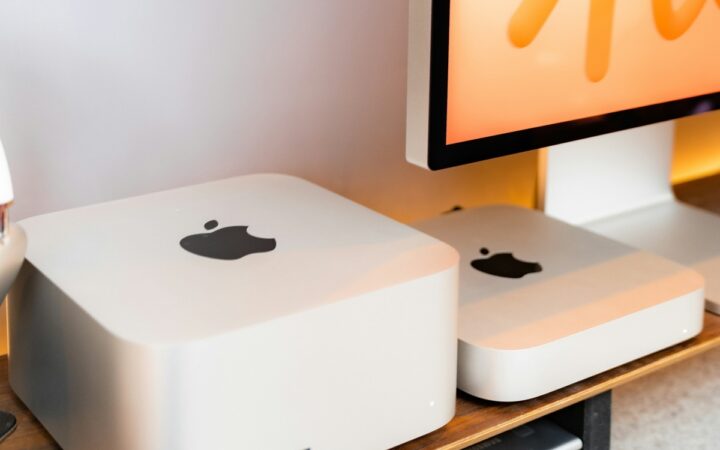
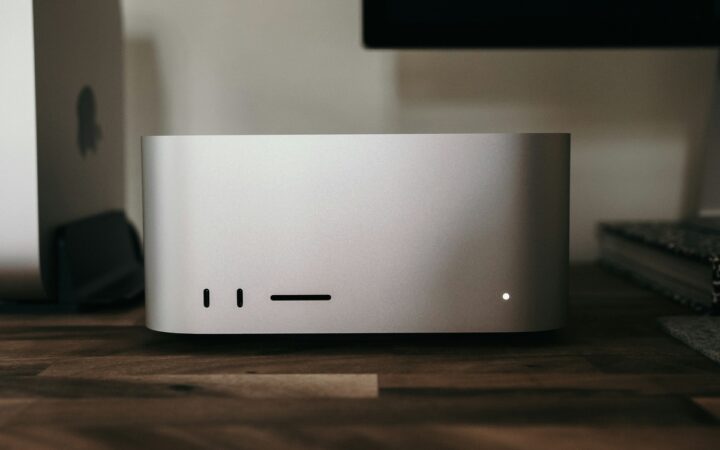
Meta’s 816B-parameter Muse Spark Open targets local coding agents on two 512GB Macs, due later this month. API access is already available.
Amazon unveils the $74.99 Bee Frontier and $99.99 Bee Eclipse, pairing conversation memory with optional Alexa and shopping links. Many features need Bee Pro.
Apple and Meta bring Muse Spark Open to Mac Studio clusters, opening a new front in the AI race. Here is what the partnership means for speed, cost and control.
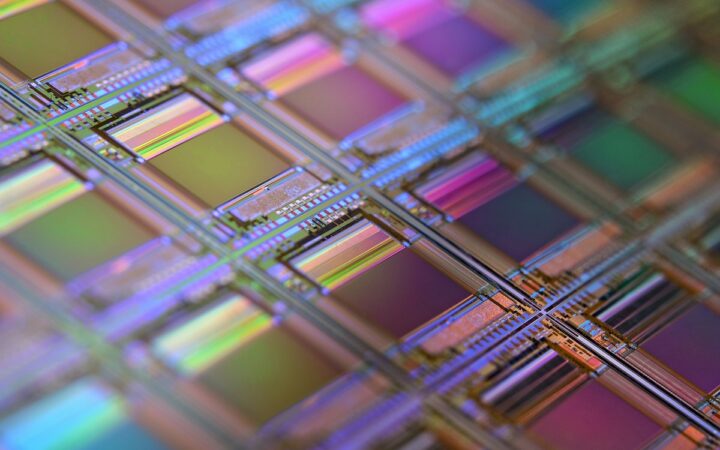
Google reports 99.99% magic-state fidelity on Willow, with errors reduced 40x. The quantum computing advance retained 8% of attempts and still needs to scale.
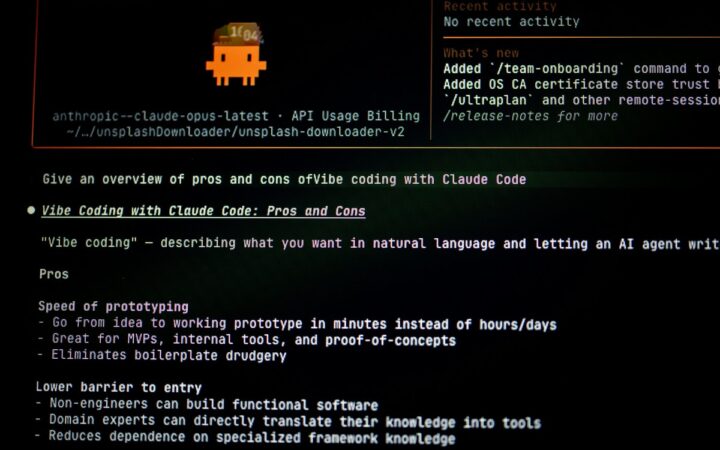
One user says Claude Code turned a 63-second video request into 161 Codex sessions—and kept the boss job. The screenshot shows a plan for 700 frames.