OpenAI Shuts Down Its Atlas Browser Less Than a Year In
OpenAI is discontinuing ChatGPT Atlas, its standalone AI browser, on August 9, folding its agentic browsing into the new ChatGPT desktop app just nine months after launch.
Causal language modeling, abbreviated CLM, is a training objective in which a model predicts the next token from tokens that came before it. A causal attention mask prevents information from later positions from leaking into each prediction. Repeating this task across large text collections teaches an autoregressive model statistical patterns of language, knowledge associations, and ways to continue a sequence. At inference time, the model generates text token by token using the same left-to-right dependency. CLM differs from masked language modeling, which hides selected tokens inside a sequence and uses surrounding context on both sides. The objective supports open-ended generation but does not guarantee factual or intentional understanding.
OpenAI is discontinuing ChatGPT Atlas, its standalone AI browser, on August 9, folding its agentic browsing into the new ChatGPT desktop app just nine months after launch.
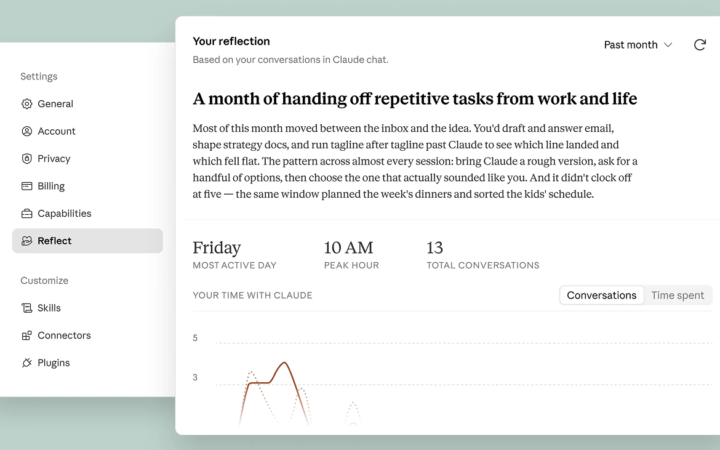
Anthropic launched Reflect, a beta dashboard that shows users how they use Claude and nudges them toward healthier habits, a rare feature that can encourage using the product less.
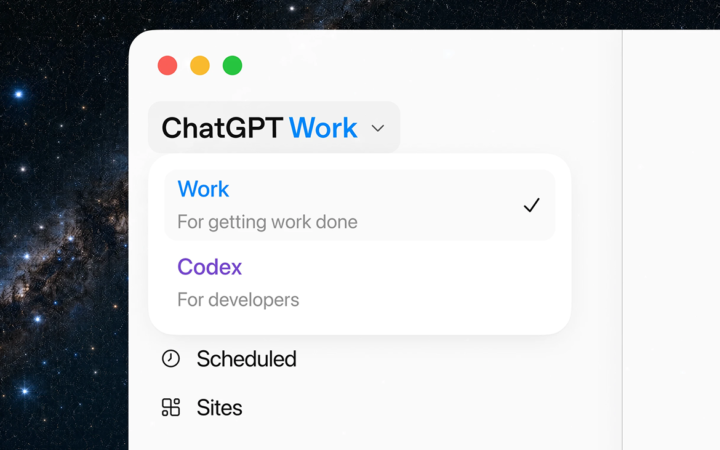
OpenAI launched ChatGPT Work, a GPT-5.6 agent that pulls context from a user’s apps to produce finished docs, slides and sites, as it merges Codex into a unified desktop app.
SpaceXAI released Grok 4.5, a coding and agentic model trained jointly with Cursor that undercuts rivals on price and token use, though it trails Fable 5 on benchmarks.
Meta plans to begin manufacturing its in-house Iris AI chip in September as it aims to double computing capacity to 14 gigawatts next year and cut its reliance on Nvidia.
OpenAI released GPT-Live, full-duplex voice models that listen and speak at once and hand hard questions to GPT-5.5, replacing ChatGPT’s Advanced Voice Mode globally.
Meta will build its first Canadian data center, a 1-gigawatt AI facility in Alberta costing about C$13 billion, powered largely by a dedicated natural gas plant.
OpenAI will release its GPT-5.6 models, Sol, Terra and Luna, to the public on July 9 after clearing US government review far faster than the 30-day window the rules envisioned.
Apple expanded its partnership with Broadcom in a multi-year deal worth more than $30 billion, its largest US manufacturing commitment, to produce over 15 billion American-made chips.
Meta released Muse Image, a free AI image generator, but a feature that lets users turn any public Instagram user’s photos into AI images, opt-out by default, has sparked backlash.