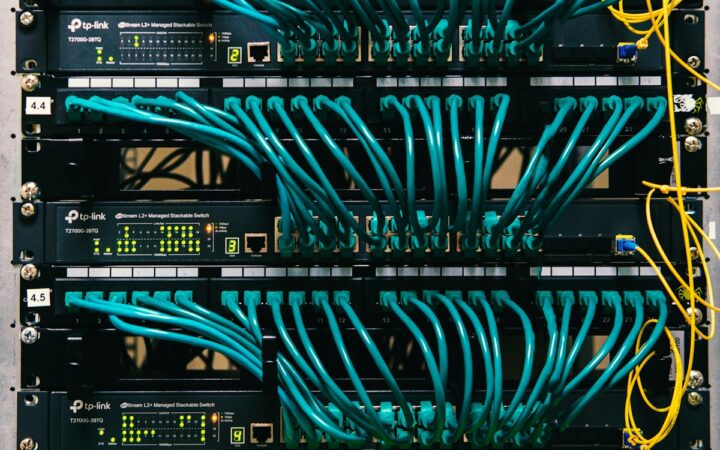
DeepSeek Open-Sources DeepInfer for Nvidia and Huawei AI Chips
DeepSeek has released DeepInfer, its production inference engine, with support for V4.1 Flash on Nvidia SM100 and Huawei Ascend 950 hardware. The public release covers offline inference.
Explore AIstify's latest reporting, research, and expert analysis tagged with "deepseek", collected in one continuously updated archive.
DeepSeek has released DeepInfer, its production inference engine, with support for V4.1 Flash on Nvidia SM100 and Huawei Ascend 950 hardware. The public release covers offline inference.

DeepSeek is reportedly working with Huawei on chips tailored to its AI models, alongside an expanding software ecosystem for Ascend processors.
DHS requires civilian federal agencies to remove DeepSeek and third-party tools built on its technology, while barring further procurement.
DeepSeek’s V4.1-Flash-1017 claims faster, shorter responses at the same model price while Search and Fetch APIs open its web tools to developers.
DeepSeek is reportedly nearing a $12 billion funding round backed by Tencent and CATL, exceeding its initial target ahead of a planned IPO.
DeepSeek Harness brings a plugin-based AI agent to Mac and Windows, with coding tools, everyday workflows and extensions users can build through chat.

Xiaomi released MiMo-V2.6-Pro and Flash under an MIT license, with Pro becoming the top scoring open weight model on Artificial Analysis’ Intelligence Index at a fraction of frontier lab training costs.

DeepSeek launched V4.1 Flash, an open-weight model on a new architecture that beats its own larger flagship and rivals Claude Opus 5 on some benchmarks at a fraction of the price.

Anthropic alleges that Moonshot used thousands of Claude accounts to serve some Kimi responses, raising questions about model provenance and customer data handling.

The FBI, NSA and CISA jointly accused six Chinese AI companies of systematically distilling US models including Claude and ChatGPT since 2024, calling it their core development strategy.
Nvidia is building hardware optimizations for Chinese AI models like DeepSeek and Qwen, even as it warns regulators that US restrictions on such models could hurt its business.
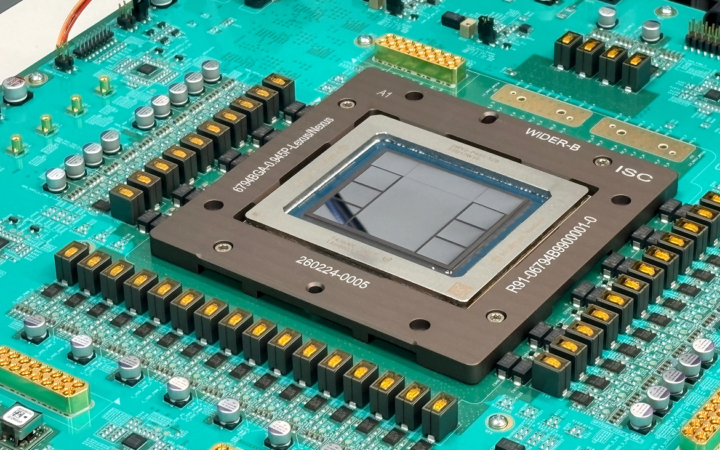
OpenAI’s first custom inference chip, Jalapeño, delivered up to 1.9 times more work per watt and far lower latency than rival systems, with AI accelerating its own design.
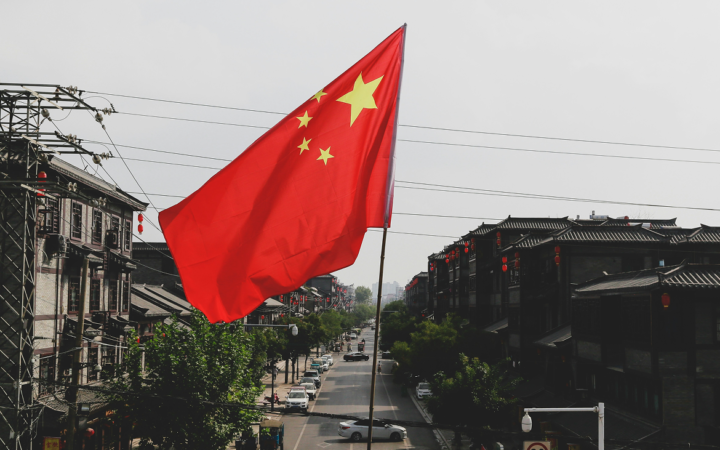
ByteDance and Tencent each received about 10,000 Nvidia H200 chips, but Chinese regulators want the hardware kept in Hong Kong, which lacks the power to run it.

Trump-backed World Liberty Financial is working with WorldClaw, an AI platform offering restricted Chinese models, letting the family profit as its stablecoin is used for payment.

The US is preparing to warn dozens of countries they must choose between its Pax Silica AI coalition and China’s competing framework, or risk exclusion, according to a leaked draft.