Key Notes
- A Reuters review found Trump-backed World Liberty Financial is collaborating with WorldClaw, a Hong Kong AI aggregator that offers 90 models, 43 of them from Chinese firms the US government has flagged.
- The Trump family owns 38% of World Liberty and earns from token use, so critics say the president's family could profit from Americans buying Chinese AI his own administration is trying to restrict.
- Both companies stress WorldClaw is independent and that listing a model isn't an endorsement; the White House says there are "no conflicts of interest.".
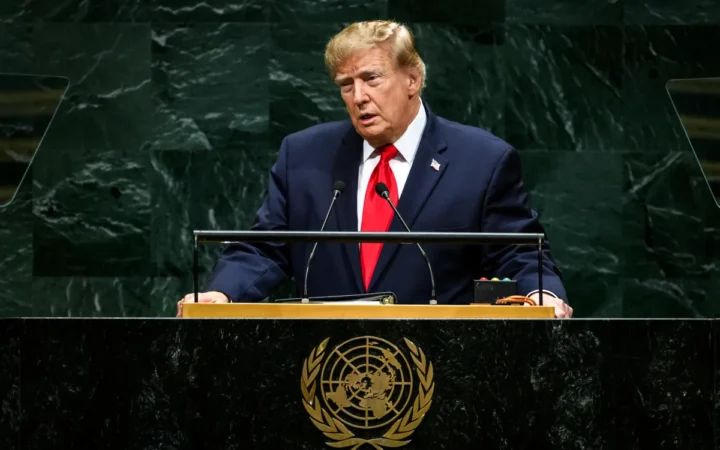
World Liberty Financial, the cryptocurrency venture backed by President Donald Trump and his family, is collaborating with WorldClaw, a Hong Kong-based platform that offers access to AI models built by Chinese companies the US administration has flagged for national security concerns, according to a Reuters review.
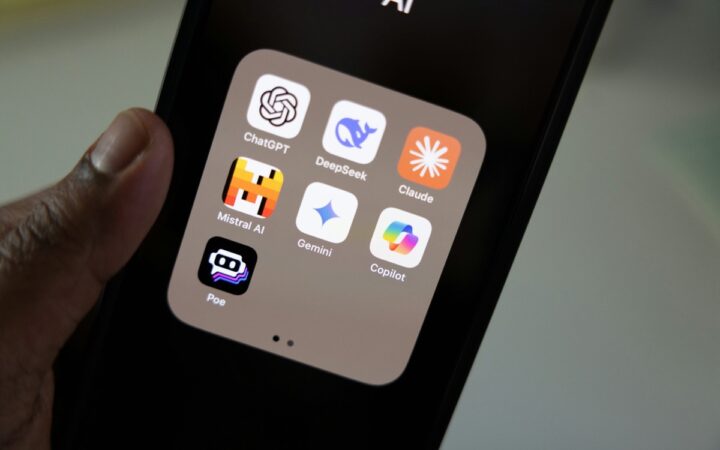
WorldClaw, founded earlier this year, aggregates about 90 AI models and lets customers pay with cryptocurrency. A Reuters review found that 43 of those models, nearly half, were developed by Chinese firms including Alibaba, Baidu, Z.ai, DeepSeek and Moonshot. The platform also offers models from US companies such as OpenAI and Anthropic.
The financial link runs through World Liberty’s USD1 stablecoin, which WorldClaw accepts as payment. Like other dollar-based stablecoins, USD1 is backed by assets such as US Treasury securities, and the Trump family, which owns 38% of World Liberty, is entitled to a percentage of the interest earned on those reserves. The family has made more than $1.4 billion from World Liberty token sales, part of roughly $2.3 billion in total crypto earnings, according to Reuters.
An important point of fact: there is nothing illegal about the collaboration or about WorldClaw’s relationships with the Chinese companies. The Chinese AI models are generally legal for individuals and businesses to use in the United States, and such models, typically cheaper, are gaining traction globally, including among US tech firms.
The concern experts raise is about consistency, not legality. Several of the featured Chinese firms face direct US restrictions: the Pentagon has designated Alibaba and Baidu as military-aligned companies, barring the Defense Department from doing business with them, while Z.ai sits on the Commerce Department’s entity list, which severely restricts its access to US technology.
Administration officials have separately accused DeepSeek and Moonshot of stealing intellectual property from US rivals. The affected Chinese companies dispute these determinations, with Alibaba calling its Pentagon listing “arbitrary and capricious” and saying it would sue to be removed, and Beijing rejecting the theft claims.
Why It’s Drawing Scrutiny
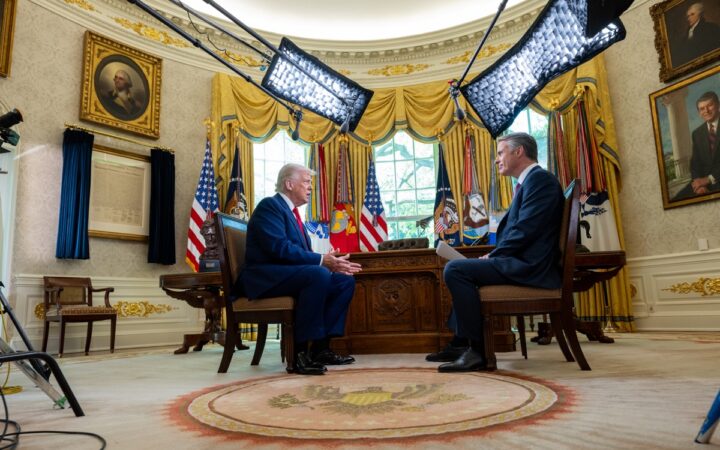
Seven experts on Chinese technology, trade and government ethics told Reuters the arrangement runs counter to the administration’s stated stance toward Chinese AI. The core tension is that the president’s family could earn money from Americans buying access to the very Chinese AI models his own government is working to keep out, which one Georgetown analyst called hypocritical.
The president’s two eldest sons, who co-founded World Liberty, have publicly promoted WorldClaw, with Donald Trump Jr. offering to meet contest winners at Mar-a-Lago and Eric Trump calling the collaboration “the future of finance.” World Liberty’s head of growth, Ryan Fang, has also served as an external adviser to WorldClaw, a role the company described as strictly advisory.
Both sides reject any impropriety. A White House spokesperson said there are “no conflicts of interest” and that Trump “only acts in the best interests of the American public.” A World Liberty spokesman noted that major US firms also offer Chinese AI models, calling it “a common and widely accepted approach,” while WorldClaw said it operates independently and that “making a model available does not constitute an endorsement of its developer.” The president retains ownership of the family business through a trust while his sons run it.
The Security Questions Beneath the Politics
Beyond the ethics debate, analysts flag practical risks in the Chinese models themselves. Daniel Remler, a former State Department policy adviser now at the Center for a New American Security, warned that Chinese AI models offered through WorldClaw could expose users to monitoring by the Chinese government, censored outputs, or the injection of malicious code capable of hijacking AI agents. WorldClaw discloses on its website that it may share user inputs with the companies providing its models, and says it applies privacy and security safeguards.
Those risks are magnified by WorldClaw’s stated scale and direction. The company says its aggregator tool has more than 10,000 users generating over 50 million requests a day, and it is developing an application for AI agents to perform personal tasks like ordering food or summarizing emails, precisely the kind of access that makes code-injection concerns consequential.
The broader picture reflects an administration whose China-tech posture remains in flux. As one Washington sanctions attorney noted, the collaboration could be read as inconsistent with a China-hawk stance, or as consistent with a Trump presidency that has taken a more business-first approach to Chinese companies.
Disclaimer: AIstify is an independent media brand owned and operated by NuvexMedia LLC, publishing news, research, and insights on artificial intelligence, emerging technologies, automation, and related industries. NuvexMedia LLC invests in and collaborates with companies across the AI, technology, software, and digital innovation sectors. These relationships do not influence AIstify’s editorial coverage, and the publication maintains full editorial independence to provide accurate, timely, and objective information. © 2026 NuvexMedia LLC. All rights reserved. This content is for informational purposes only and should not be considered legal, tax, investment, financial, or other professional advice.