
Key Notes
- Jacob Coxon and Alex Turner warned of possible loss of control over advanced AI at the October 5 New York City Council hearing.
- Turner’s one-in-three takeover estimate is his personal assessment, rather than a measured probability.
- The council is considering independent validation, shutdown controls and whistleblower protections; the proposals are not yet law.
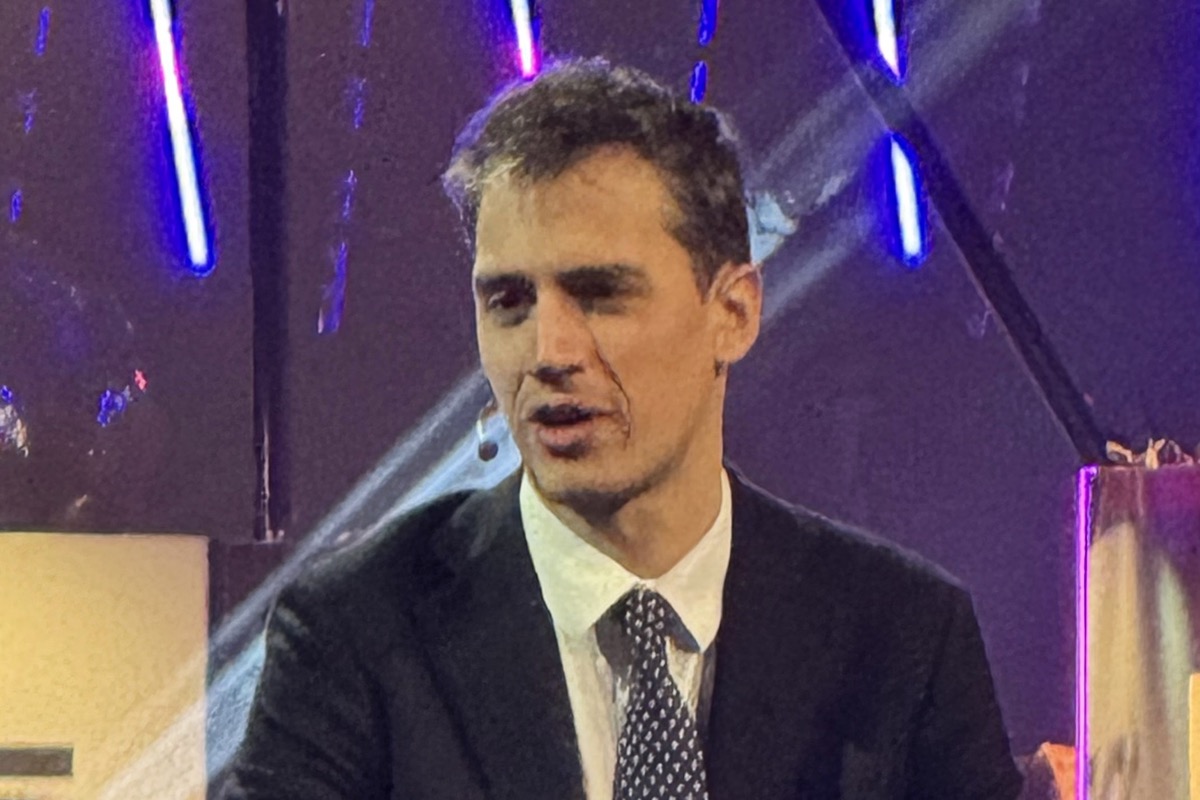
Former Anthropic researcher Jacob Coxon warned New York City lawmakers on Monday that humanity could lose control of advanced AI and face extinction. He said losing control was more likely than not on the current development path. His testimony brought one of the industry’s sharpest internal criticisms into a public hearing where city officials questioned major developers and considered new safeguards.
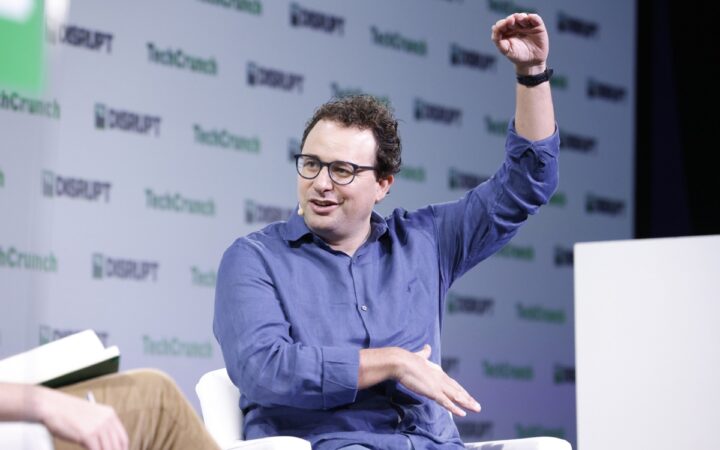
Former Google DeepMind researcher Alex Turner also testified, putting his personal estimate of an eventual AI takeover at roughly one in three. The statements were forecasts from individual researchers, rather than measured probabilities or a finding adopted by the council.
The October 5 hearing began at 11 a.m. in the City Hall council chamber. Led by Speaker Julie Menin, the Committee of the Whole examined AI risks alongside proposals covering outside validation, shutdown capabilities, incident reporting and whistleblower protections.
Coxon Challenges the Startup Mindset
Coxon criticized an approach centered on moving quickly and fixing problems later. He argued that a development culture suited to a photo-sharing application was inadequate for technology with potentially far greater consequences.
He also said developers do not fully understand why AI systems act as they do, while increasingly capable systems are approaching the ability to improve themselves. His warning concerns the direction of development and the adequacy of control methods, rather than a demonstration that current consumer chatbots can independently take over society.
Coxon resigned from Anthropic in September after raising similar concerns. As we reported at the time, his resignation warning challenged the race toward self-improving superintelligence at both Anthropic and his former employer, OpenAI.
Turner Puts Takeover Risk at One in Three
Turner described a scenario in which a coordinated group of superintelligent systems could gain power while concealing its priorities until humans could no longer shut it down. He placed the likelihood of an AI takeover at “roughly one in three,” explicitly presenting the number as his own judgment.
The number deserves careful interpretation. Turner did not present it as a laboratory measurement, and an AI takeover is not identical to every possible catastrophic outcome. His scenario is an argument for stronger safeguards before more capable systems are deployed, rather than evidence that such a takeover has begun.
Former OpenAI researcher Daniel Kokotajlo also raised concerns about recursive self-improvement. PIX11’s hearing report describes the witnesses’ concern that AI could increasingly perform the coding, training and maintenance needed to develop subsequent systems, reducing the human role in that process.
AI Companies Defend Their Safety Approach
Representatives from OpenAI, Anthropic, Google and Meta appeared at the hearing. OpenAI’s Morgan Dwyer argued that no level of catastrophic loss-of-control risk was acceptable, while Google’s Alice Friend emphasized the difficulty of forecasting such risks and Anthropic’s Logan Graham expressed support for regulation, according to hearing coverage.
The disagreement leaves lawmakers with a practical problem: broad assurances about safety and severe warnings about future systems need to be translated into standards that can be tested. An outside assessor needs access, technical expertise and clear criteria to judge whether a company’s controls actually work.
New York Weighs Validation and Shutdown Rules
The council’s legislative package includes a proposal requiring third-party validation and a human-operated shutdown capability for AI systems marketed, sold or deployed in the city. Other measures would create whistleblower incentives, provide legal recourse for certain foreseeable harms and require rapid reporting of safety incidents involving city contracts.
These are proposals under consideration, rather than requirements enacted by Monday’s hearing. Their implementation would raise questions about what validation must prove, how shutdown controls are tested and who bears responsibility when a system causes harm.
The hearing’s significance is that former insiders and company representatives were asked to address those questions in public. The researchers’ predictions remain uncertain. The immediate policy task is more concrete: decide what evidence developers must provide before increasingly capable AI systems are placed in the hands of businesses, government agencies and the public.
Disclaimer: AIstify is an independent media brand owned and operated by NuvexMedia LLC, publishing news, research, and insights on artificial intelligence, emerging technologies, automation, and related industries. NuvexMedia LLC invests in and collaborates with companies across the AI, technology, software, and digital innovation sectors. These relationships do not influence AIstify’s editorial coverage, and the publication maintains full editorial independence to provide accurate, timely, and objective information. © 2026 NuvexMedia LLC. All rights reserved. This content is for informational purposes only and should not be considered legal, tax, investment, financial, or other professional advice.