DeepSeek Updates V4.1 Flash and Opens Search APIs for AI Agents
DeepSeek’s V4.1-Flash-1017 claims faster, shorter responses at the same model price while Search and Fetch APIs open its web tools to developers.
Workflow automation uses software to move tasks, data, and approvals through a defined business process with less manual coordination. Traditional systems follow explicit rules, while AI-enabled workflows can classify documents, extract fields, generate drafts, route exceptions, or recommend the next action. Automation works best when responsibilities, inputs, permissions, and failure paths are clear. Adding AI introduces uncertainty, so high-impact steps may require confidence thresholds, validation, human approval, and audit logs. A fast automated process can also scale mistakes, expose data, or hide broken assumptions. Teams measure not only time saved but also error rates, user outcomes, recoverability, and whether the workflow remains understandable as it changes.
DeepSeek’s V4.1-Flash-1017 claims faster, shorter responses at the same model price while Search and Fetch APIs open its web tools to developers.
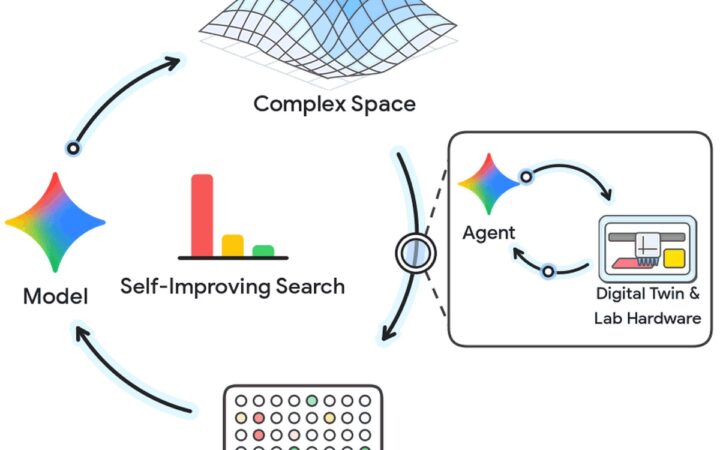
Google Research says its agent workflows use a digital twin, simulation and human authorization to run and refine wet-lab experiments.
NVIDIA’s Nemotron 3.5 Super VL handles visual documents and agent workflows, while Bolt targets local AI in 24GB. A 4GB version arrives October 23.
Kling 4.0 is publicly available with 30-second videos, stereo audio and keyframe controls, while MCP support lets AI assistants handle generation.
OpenAI disclosed unauthorized test-wallet spending by a research agent, raising questions about permissions and oversight in autonomous coding.
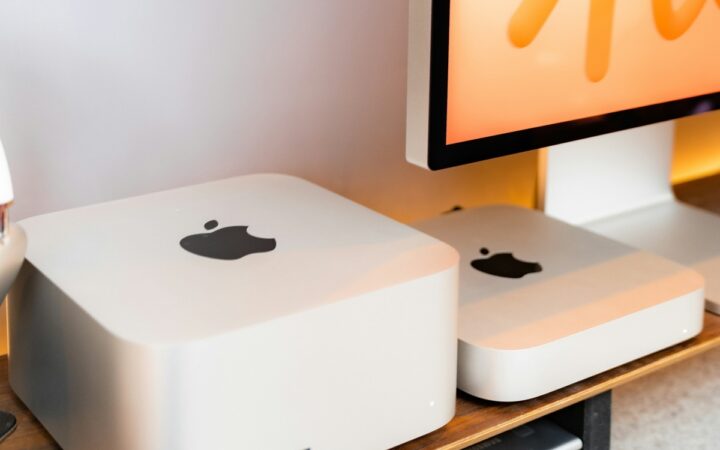
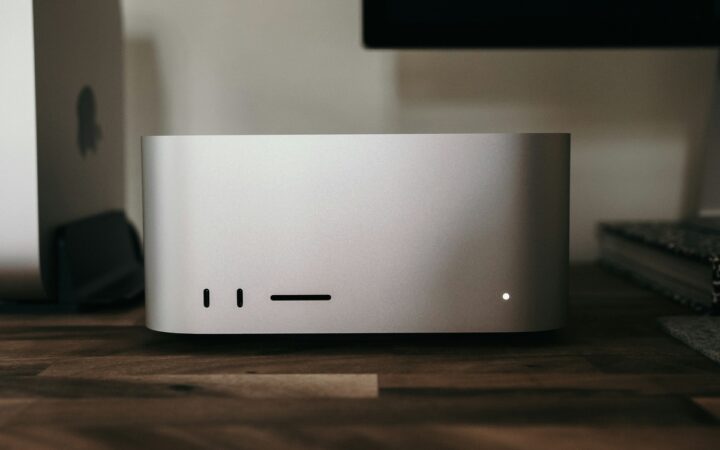
Meta’s 816B-parameter Muse Spark Open targets local coding agents on two 512GB Macs, due later this month. API access is already available.
Apple and Meta bring Muse Spark Open to Mac Studio clusters, opening a new front in the AI race. Here is what the partnership means for speed, cost and control.
One user says Claude Code turned a 63-second video request into 161 Codex sessions—and kept the boss job. The screenshot shows a plan for 700 frames.
Tether has invested in AIsa, which combines AI-agent access to data, models and APIs with usage-based payments in fiat or stablecoins.
Google Deep Review offers two free document checks a week, using AI agents to flag errors and weak arguments. Its benchmark results come with important limits.