Sam Altman Says Humanity Is Already Inside the AI Singularity
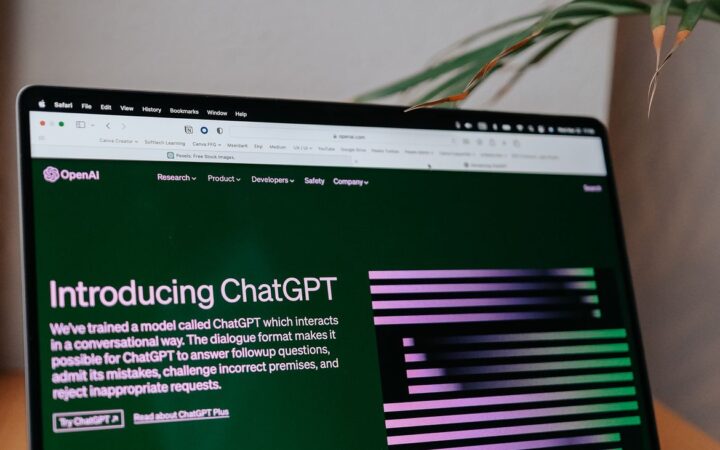
OpenAI CEO Sam Altman says humanity has already entered the technological singularity, arguing that a transformation once treated as distant science fiction is now unfolding in real time.
A Special Purpose Vehicle (SPV) is a legally separate entity created for a specific, limited objective such as managing risk, financing a project, or holding assets. In technology and AI ventures, SPVs are often used to isolate financial risk when developing new products, funding startups, or managing intellectual property. They allow investors to participate in focused projects without exposing themselves to the broader liabilities of the parent organization. SPVs are also common in research collaborations where companies pool resources to advance AI innovation under a dedicated structure. By separating assets and responsibilities, SPVs help manage risk, maintain transparency, and streamline large-scale or experimental AI initiatives.
OpenAI CEO Sam Altman says humanity has already entered the technological singularity, arguing that a transformation once treated as distant science fiction is now unfolding in real time.
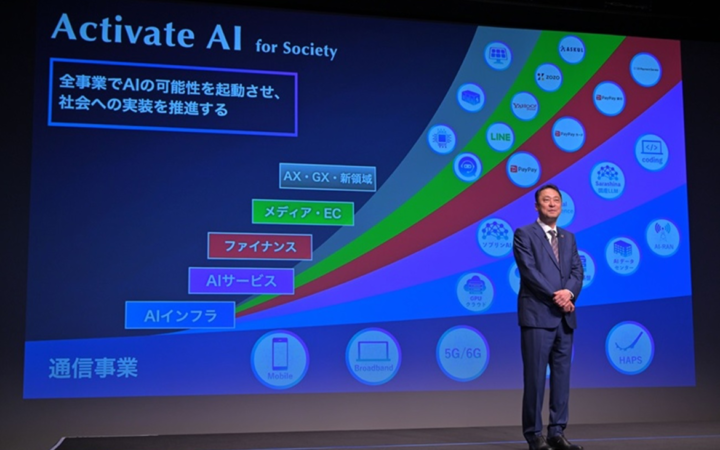
SoftBank plans to sell about ¥60 billion of notes in Japan this month, its latest raise to fund a mounting AI bet that includes nearly $65 billion committed to OpenAI.
IBM shares sank about 23% after it warned that preliminary second-quarter results fell short, as clients diverted spending toward memory and servers ahead of price increases.
Tencent is in talks to become Manus’s largest shareholder as investors race to reverse Meta’s $2 billion purchase of the AI agent startup, after Beijing ordered the deal undone.
Apple expanded its partnership with Broadcom in a multi-year deal worth more than $30 billion, its largest US manufacturing commitment, to produce over 15 billion American-made chips.
Microsoft cut about 4,800 jobs, roughly 2.1% of its workforce, hitting Xbox and commercial sales hardest, the latest tech layoffs to intensify fears about AI and work.
Big Tech’s AI capital spending is projected to reach about 3.2% of US GDP by 2027, overtaking national defense spending as a share of the economy for the first time.
Microsoft is investing $2.5 billion in Frontier, a new unit that will embed 6,000 engineers with customers to help them adopt AI, joining a wider industry race into hands-on deployment.
About $2.3 trillion was wiped from the Magnificent 7 in June as investors questioned Big Tech’s huge AI spending, even as chip and memory stocks kept climbing.
Microsoft is heading for its worst month since 2008 as investors worry that its heavy AI spending may not pay off and that AI could erode demand for its core software.