
SoftBank Group plans to sell about ¥60 billion, roughly $369 million, of notes to institutional investors in Japan this month, the latest in a steady stream of borrowing to fund its aggressive expansion into artificial intelligence.
The company intends to price about ¥50 billion of three-year notes and ¥10 billion of five-year notes in the week of July 27, according to lead manager Daiwa Securities, with Nomura and SMBC Nikko also arranging the deal. The offering is modest on its own but significant as another data point in how much debt Masayoshi Son’s conglomerate is raising to keep pace with its AI ambitions.
The scale of those ambitions is enormous. SoftBank has committed nearly $65 billion to OpenAI, a $30 billion follow-on investment on top of earlier stakes that will lift its ownership to about 13%, with the tranches being paid through October.
To finance it, the company has leaned heavily on debt: it has already raised about ¥678 billion this year through subordinated bonds sold to Japanese retail investors, tapped the US and euro markets in April, and drew on a $40 billion bridge loan that comes due in March 2027. This bond sale adds another layer to a funding stack that analysts have watched with growing unease.
There are signs SoftBank is trimming its ambitions where markets have pushed back. The company has been considering a margin loan backed by its OpenAI stake, but cut the target to around $6 billion from an initial $10 billion, reflecting lender caution about the difficulty of valuing private companies as collateral.
That hesitation has been compounded by broader jitters, as concerns over returns on AI spending have weighed on semiconductor stocks including SoftBank’s chip-design subsidiary Arm, and SoftBank shares have retreated from an early-June peak after reports that OpenAI’s IPO could slip to 2027.
Why the Timing Helps
The bond sale lands just after a piece of good news. On July 16, S&P Global Ratings revised its outlook on SoftBank to stable from negative, reversing a March downgrade that had cited liquidity risks from the OpenAI investment. S&P said SoftBank’s financial position had improved more than expected, largely because of a sharp rise in Arm’s share price, which lifted the value of the company’s most important asset.
The agency affirmed SoftBank’s long-term rating at BB+, one notch below investment grade. The upgrade eases pressure at a useful moment, potentially lowering borrowing costs as SoftBank returns to the market, though a sub-investment-grade rating still signals meaningful credit risk.
The Bet Beneath the Debt
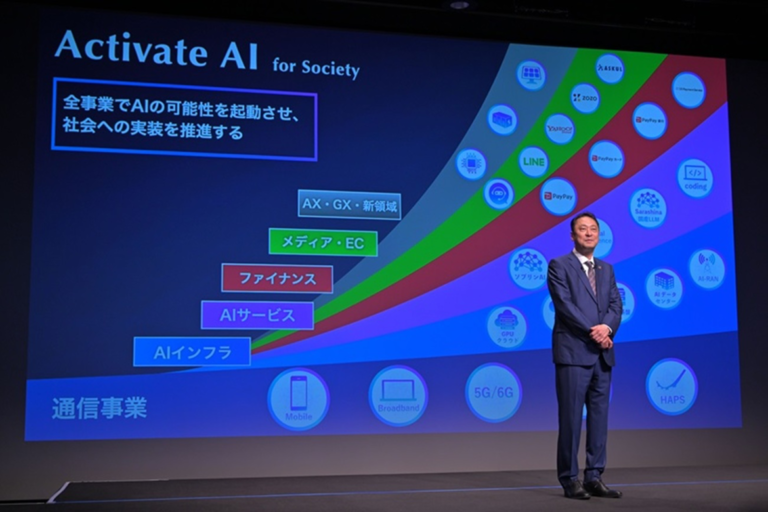
The borrowing reflects a deliberate, high-stakes wager. Son used his SoftBank World event on July 14 to dismiss fears of an AI bubble as “absurd,” forecasting that annual AI investment will reach $5 trillion by 2040 and pressing Japanese firms to seize the moment. That conviction explains the willingness to stretch the balance sheet, but it also concentrates SoftBank’s fortunes on a single thesis playing out on schedule.
The company faces an estimated multibillion-dollar funding gap over the next two years, much of its plan hinges on an OpenAI IPO that would let it sell shares or borrow against a liquid stake, and any delay to that listing lengthens the period it must fund the bet with debt. For now, the modest bond sale is a routine step; the larger question is whether AI returns arrive fast enough to justify the leverage Son keeps adding.
Disclaimer: AIstify is an independent media brand owned and operated by NuvexMedia LLC, publishing news, research, and insights on artificial intelligence, emerging technologies, automation, and related industries. NuvexMedia LLC invests in and collaborates with companies across the AI, technology, software, and digital innovation sectors. These relationships do not influence AIstify’s editorial coverage, and the publication maintains full editorial independence to provide accurate, timely, and objective information. © 2026 NuvexMedia LLC. All rights reserved. This content is for informational purposes only and should not be considered legal, tax, investment, financial, or other professional advice.