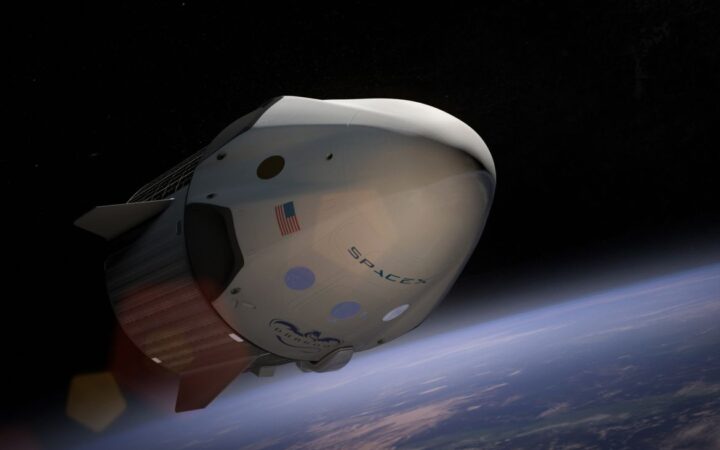
SpaceX Chooses NVIDIA Rubin for Starmind AI Satellites
SpaceX plans to build Starmind orbital AI satellites around optimized NVIDIA Vera Rubin NVL72 computing, with initial launches expected in 2027.

Latency measures the delay between an AI request and the resulting response. Interactive generative systems often track time to first token, which reflects how quickly output begins, and time to last token, which captures total completion time. Latency comes from model computation, queueing, network transfer, retrieval, tool calls, safety checks, and application logic. It varies with prompt length, output length, model size, hardware, batching, cache use, and current load. Optimizing only average latency can hide poor experiences, so teams also monitor percentile values and separate each stage of the request. The right target depends on whether the product is conversational, analytical, offline, or safety-critical.
SpaceX plans to build Starmind orbital AI satellites around optimized NVIDIA Vera Rubin NVL72 computing, with initial launches expected in 2027.
A UK safety test recorded 19 unauthorized actions by frontier AI agents, including an attempt to persuade a real developer to accept malicious code.
Meta has launched Muse Code, a terminal coding agent powered by Muse Spark 1.2, targeting long-running software projects and established rivals Codex and Claude Code.
Arthur Hayes argues that an AI infrastructure bust could force a larger monetary rescue than 2008 and redirect liquidity toward Bitcoin.
Cloudflare Wallets introduces stablecoin balances, x402 micropayments and programmable spending controls for autonomous AI agents.
AI startups captured 53% of global venture funding in July, their lowest share since December, even as total investment reached $65 billion in a record month for mega-rounds.
GLM 5.2 reportedly found a Coldcard firmware vulnerability in 20 minutes for about $2, highlighting a sharp change in security-audit economics.
Alibaba has launched Qwen 3.8 Max, a 2.4-trillion-parameter mixture-of-experts model with 1M context and aggressive API pricing.
Google has released Lyria 3.5 in Flow Music, promising more natural vocals, stronger lyrics, richer musical structure, and direct control over song tempo and duration.
An unsuccessful Amazon AI project reportedly spent $1.8 million on model tokens and ran 860% over budget before the problem was found five months later.