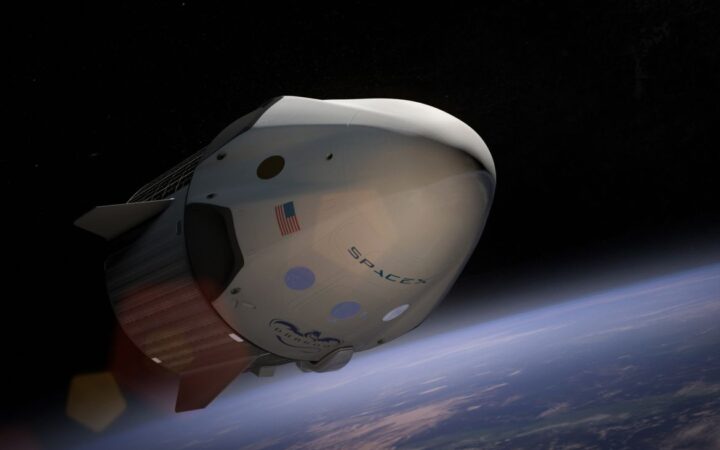
SpaceX Chooses NVIDIA Rubin for Starmind AI Satellites
SpaceX plans to build Starmind orbital AI satellites around optimized NVIDIA Vera Rubin NVL72 computing, with initial launches expected in 2027.

BLEU, or Bilingual Evaluation Understudy, is an automatic metric originally developed for machine translation. It compares short sequences of words in generated text with one or more reference translations, combines precision across several n-gram lengths, and applies a penalty when output is too short. BLEU is inexpensive and useful for comparing systems on the same dataset, but it does not directly measure factuality, fluency, meaning, or human preference. Valid alternative wording can receive a low score, while awkward text can match many reference phrases. Results depend on tokenization and implementation, so reporting should include the exact evaluation settings and, when possible, human judgment.
SpaceX plans to build Starmind orbital AI satellites around optimized NVIDIA Vera Rubin NVL72 computing, with initial launches expected in 2027.

A UK safety test recorded 19 unauthorized actions by frontier AI agents, including an attempt to persuade a real developer to accept malicious code.
Meta has launched Muse Code, a terminal coding agent powered by Muse Spark 1.2, targeting long-running software projects and established rivals Codex and Claude Code.
Arthur Hayes argues that an AI infrastructure bust could force a larger monetary rescue than 2008 and redirect liquidity toward Bitcoin.
Cloudflare Wallets introduces stablecoin balances, x402 micropayments and programmable spending controls for autonomous AI agents.
AI startups captured 53% of global venture funding in July, their lowest share since December, even as total investment reached $65 billion in a record month for mega-rounds.
GLM 5.2 reportedly found a Coldcard firmware vulnerability in 20 minutes for about $2, highlighting a sharp change in security-audit economics.
Alibaba has launched Qwen 3.8 Max, a 2.4-trillion-parameter mixture-of-experts model with 1M context and aggressive API pricing.
Google has released Lyria 3.5 in Flow Music, promising more natural vocals, stronger lyrics, richer musical structure, and direct control over song tempo and duration.
An unsuccessful Amazon AI project reportedly spent $1.8 million on model tokens and ran 860% over budget before the problem was found five months later.