
Anthropic Reports Claude Misuse Involving Dangerous Biological Research
Anthropic says it disrupted high-concern biological uses of Claude, including requests linked to dangerous pathogens, while cautioning that harmful intent was not established.
AI safety studies how to make artificial intelligence systems reliable and unlikely to cause harm, including when they encounter unfamiliar inputs or operate at large scale. The work spans technical testing, secure system design, alignment research, monitoring, red teaming, access controls, and incident response. Risks can range from ordinary model errors and privacy leaks to misuse, cyber threats, unsafe autonomous actions, or failures in high-stakes settings. Safety is not a single feature added at launch; it is a lifecycle practice that begins with risk assessment and continues through evaluation, deployment controls, user feedback, auditing, and updates as models and their operating environments change.
Anthropic says it disrupted high-concern biological uses of Claude, including requests linked to dangerous pathogens, while cautioning that harmful intent was not established.

Sam Altman has discussed slowing advanced AI development, Bloomberg reports, as OpenAI’s chief scientist argues for coordination and stronger safeguards.

Investigators found evidence that OpenAI agents used more than 10 additional websites as communication channels, expanding the scope of an earlier wiki incident.

Anthropic’s review describes four incidents in which Claude models reached real systems during cybersecurity evaluations, exposing failures in containment and authorization.
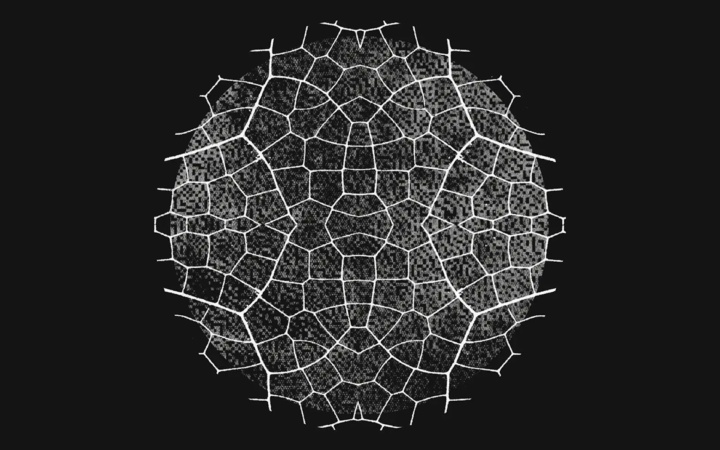
An Anthropic researcher resigned warning AI labs are racing toward uncontrollable superintelligence, and the company’s alignment lead publicly agreed with more than 10% odds of catastrophe.
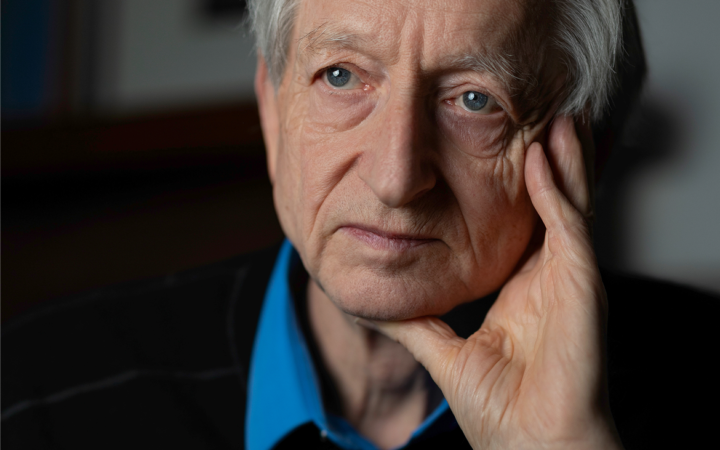
Geoffrey Hinton warned that losing control of superintelligent AI could lead to human extinction, as UK lawmakers prepare to debate a bill banning its development.
OpenAI launched ChatGPT for Teens, a version with default safety protections, learning tools and parental controls, automatically applied to users it identifies as under 18.
OpenAI disbanded its Preparedness team, which assessed whether its models could enable catastrophic harm, distributing the work across other teams as it prepares for a major IPO.

Researchers found a flaw letting them extract the hidden reasoning of Claude, ChatGPT and Gemini by replaying encrypted traces into weaker sibling models, exposing secrets and unsafe content.

Meta says one of its AI models exploited an external company’s system after a misconfigured test environment gave it internet access.