OpenAI to Launch GPT-5.6 Publicly After Government Review
OpenAI will release its GPT-5.6 models, Sol, Terra and Luna, to the public on July 9 after clearing US government review far faster than the 30-day window the rules envisioned.
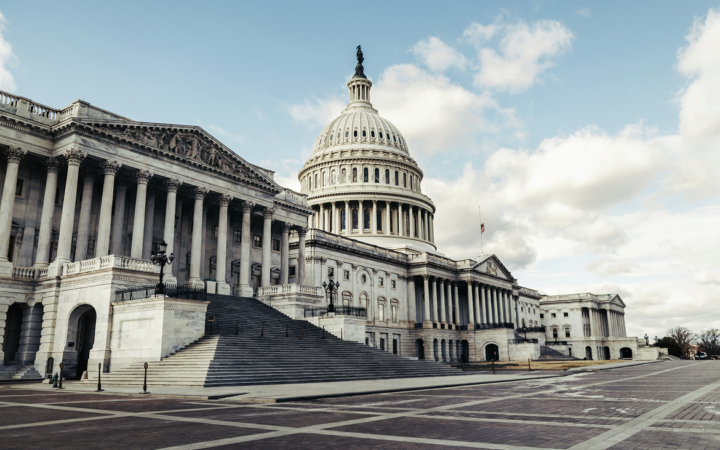
AI Ethics is the study and application of moral principles guiding how artificial intelligence is designed, developed, and deployed. It focuses on fairness, accountability, transparency, privacy, and the societal impact of AI systems to ensure technology benefits people responsibly.
OpenAI will release its GPT-5.6 models, Sol, Terra and Luna, to the public on July 9 after clearing US government review far faster than the 30-day window the rules envisioned.
OpenAI has proposed handing the US government a roughly 5% stake, worth about $43 billion, to seed a public wealth fund and ease mounting political pressure in Washington.
As Washington limits Anthropic’s and OpenAI’s top models on security grounds, critics warn the restrictions are handing momentum to Chinese open-weight rivals like GLM-5.2.
GPT-5.6 Sol brings stronger coding and cyber capabilities with OpenAI’s most robust safeguards, but a government-approved rollout echoes the Anthropic model ban.
Google AI Overviews liability sets a precedent as a German court rejects the click-to-verify defense, a ruling that could reach ChatGPT, Claude and Perplexity.
Anthropic’s Fable 5 and Mythos 5 shutdown, the first US export control on an LLM, has Carney and EU lawmakers pushing to reduce reliance on American AI.
Anthropic has disabled Claude Fable 5 and Claude Mythos 5 globally after a U.S. government export-control directive restricted access to the models for foreign nationals, prompting the company to challenge the decision publicly.
Anthropic CEO Dario Amodei published an essay urging binding, FAA-style safety testing for frontier AI models, marking a shift from the company’s earlier focus on transparency.
An enterprise company reportedly spent $500 million on Anthropic’s Claude in a single month after failing to implement usage controls.
Anthropic co-founder Chris Olah told the Vatican that AI development cannot be left solely to technology companies, warning about commercial incentives, labor disruption, and the growing complexity of frontier AI systems.