Key Notes
- Sam Altman confirmed for the first time that OpenAI "will definitely do a humanoid" robot, plus other form factors, ending years of speculation.
- OpenAI Robotics hiring (actuators, sensors, controls, data collection) was already announced May 31, and the company had briefly built robotics in 2017-2020 (Dactyl, Rubik's Cube hand) before shelving it over data scarcity.
- Near-term focus is industrial, especially machines to help build and operate data centers, not home companions.
- The company's move now puts it in direct competition with Figure, 1X, Tesla Optimus, Unitree and other humanoid makers.
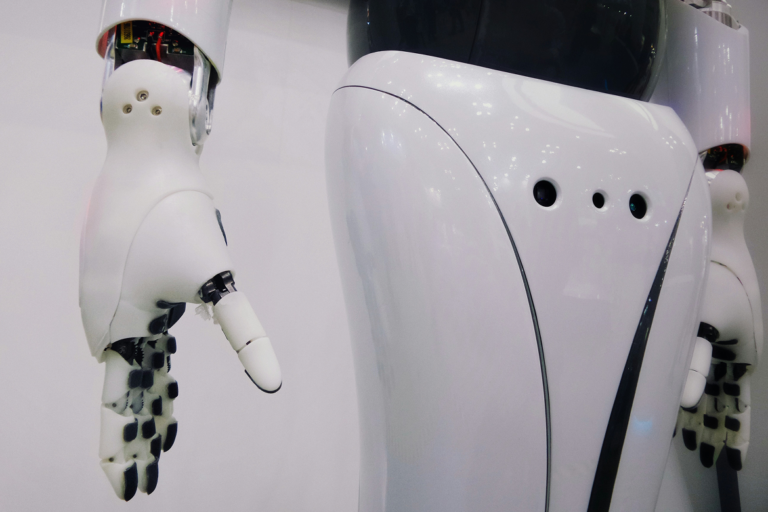
Sam Altman confirmed for the first time that OpenAI will build its own humanoid robots, ending years of speculation about the company’s physical-hardware ambitions. Asked directly on the Sources podcast whether OpenAI’s robotics push meant pursuing a humanoid form or machines built for data centers, Altman didn’t hedge: “Both. We will definitely do a humanoid. We will do other form factors as well.”
The confirmation follows, rather than launches, a robotics push already underway. OpenAI announced it was hiring for a dedicated robotics division on May 31, seeking engineers across electromechanical actuators, sensors, embedded systems, robot control, data collection and mass-production preparation, with some roles offering salaries up to $445,000 plus equity.
This is also not OpenAI’s first attempt at robotics: the company ran an earlier robotics research effort starting in 2017, producing Dactyl, a robotic hand that manipulated blocks in 2018 and solved a Rubik’s Cube one-handed in 2019, before shutting the team down around 2020. The reason then was data scarcity, since physical robot movement data is far more expensive and limited to collect than the text and images that fueled language and vision models, a constraint OpenAI says newer techniques like simulation, synthetic data and improved multimodal models have begun to meaningfully ease, though not fully solve.
Altman’s rationale for choosing a humanoid form centers on the built environment rather than any preference for human-like appearance. “The world is very much designed for people,” he said, pointing to doorknobs, stairs, keyboards, kitchens and industrial equipment as examples of infrastructure built around human dimensions and movement. Rather than redesign the physical world, he argued, it’s more practical to build robots that fit into it.
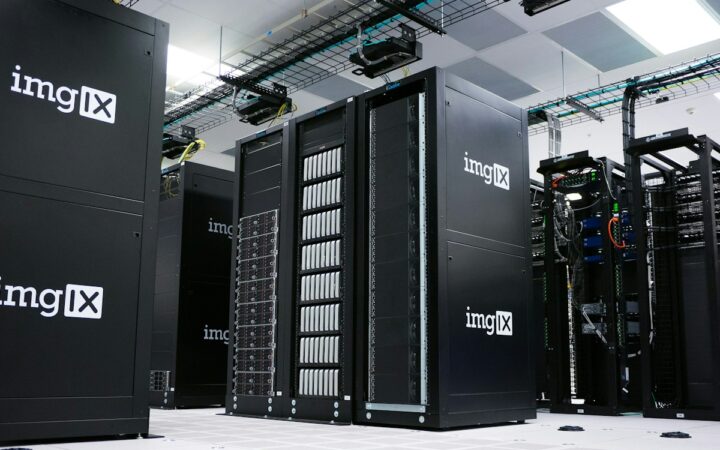
Despite that framing, Altman was explicit that home companion robots are not OpenAI’s near-term priority. The company’s initial focus is industrial infrastructure, particularly robots that can assist with building and operating data centers, where the ideal form factor may not be humanoid at all; OpenAI plans to develop task-specific robot designs for that environment as well. Altman also suggested that building the physical robot body is, in his view, a less difficult problem than building the “brain,” the AI system that lets a robot understand and act reliably in the physical world, a domain he considers OpenAI’s core strength.
Why This Reshapes the Competitive Field
OpenAI’s move carries particular weight because of how it previously operated in robotics: as an investor and model supplier rather than a hardware builder. OpenAI backed humanoid robot maker 1X in a 2023 funding round and invested in Figure’s $675 million round in 2024, at the time partnering to install OpenAI’s multimodal models into Figure’s humanoid hardware and demonstrating a robot identifying objects and handing over an apple. That partnership dissolved within about a year: Figure CEO Brett Adcock ended the collaboration in February 2025 to build a fully in-house, end-to-end robot model, later launching Figure’s own Helix system, and by 2026 stated plainly that Figure and OpenAI would become competitors.
That history illustrates the structural tension Altman’s confirmation now makes explicit industry-wide: a company that supplies the “brain” and simultaneously builds robot bodies competes directly with the hardware makers it might otherwise partner with, complicating the partnership model that has defined much of the sector so far.
OpenAI’s move now positions it against humanoid and robotics makers including Tesla Optimus, Figure, 1X, Unitree Robotics and UBTECH, not only against AI labs like Anthropic and Google, and follows Nvidia’s own May release of an open reference humanoid design.
For context on how difficult the underlying execution is, Tesla’s Optimus program, announced five years ago, has begun limited production but has not yet shipped any customer units, and Elon Musk has acknowledged the robots are not yet performing useful work inside Tesla’s own factories.
OpenAI has not announced a name, prototype, technical specifications or production timeline for its own robot, meaning Altman’s statement represents a confirmed strategic direction rather than evidence that a shipping product is close at hand.
Disclaimer: AIstify is an independent media brand owned and operated by NuvexMedia LLC, publishing news, research, and insights on artificial intelligence, emerging technologies, automation, and related industries. NuvexMedia LLC invests in and collaborates with companies across the AI, technology, software, and digital innovation sectors. These relationships do not influence AIstify’s editorial coverage, and the publication maintains full editorial independence to provide accurate, timely, and objective information. © 2026 NuvexMedia LLC. All rights reserved. This content is for informational purposes only and should not be considered legal, tax, investment, financial, or other professional advice.