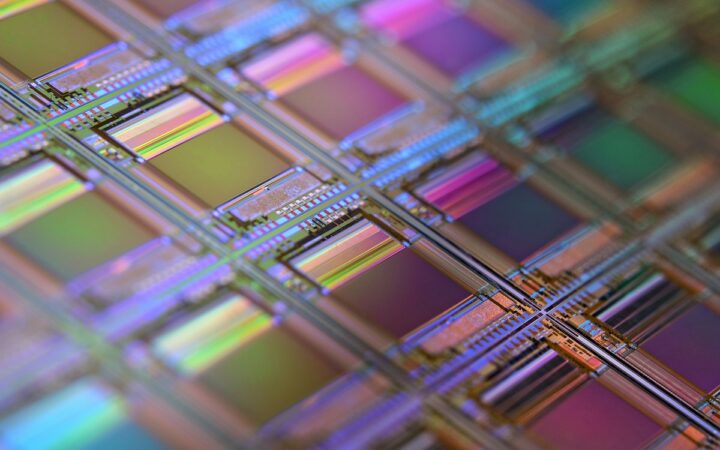
Google’s Willow Cuts Magic-State Errors 40x in Quantum Computing Advance
Google reports 99.99% magic-state fidelity on Willow, with errors reduced 40x. The quantum computing advance retained 8% of attempts and still needs to scale.
Explore AIstify's latest reporting, research, and expert analysis tagged with "quantum computing", collected in one continuously updated archive.
Google reports 99.99% magic-state fidelity on Willow, with errors reduced 40x. The quantum computing advance retained 8% of attempts and still needs to scale.
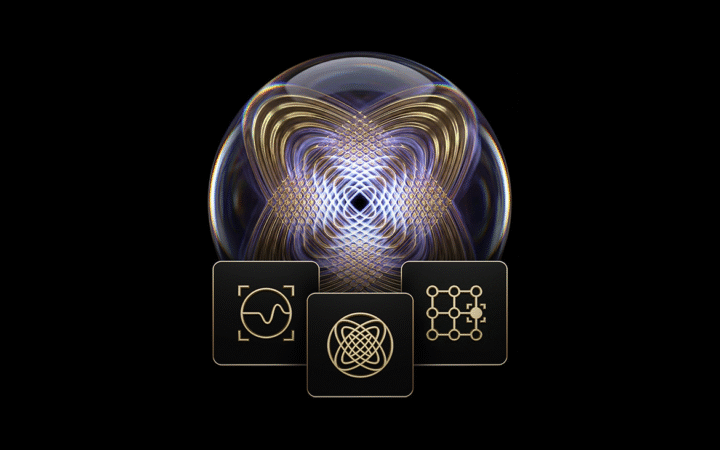
Nvidia unveils Ising, a new open-source AI model family designed to tackle quantum computing’s biggest bottlenecks: calibration and error correction.

Google warns quantum computers could break Bitcoin encryption with fewer qubits, urging transition to post-quantum cryptography for security.

Quantum computing uses principles of quantum physics to process information in new ways. This guide explains how quantum computers work and why they may transform computing.

Quantum computing coverage with an AI lens – roadmaps, experiments, and milestones that clarify what is real now, what is next, and what remains theoretical.
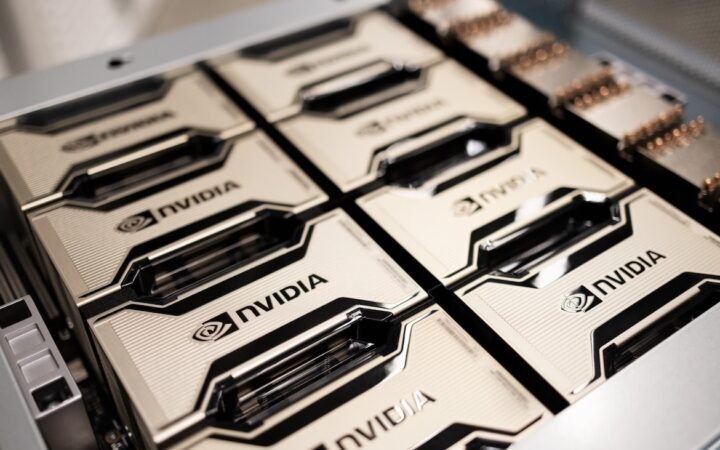
Deutsche Telekom and NVIDIA will launch a €1 billion AI cloud in Munich by early 2026, featuring 10,000 Blackwell GPUs and SAP software to power industrial and public sector applications.

A revolutionary computing approach based on quantum mechanics that can process information at unprecedented speeds. It holds immense potential for accelerating AI training and complex problem-solving.
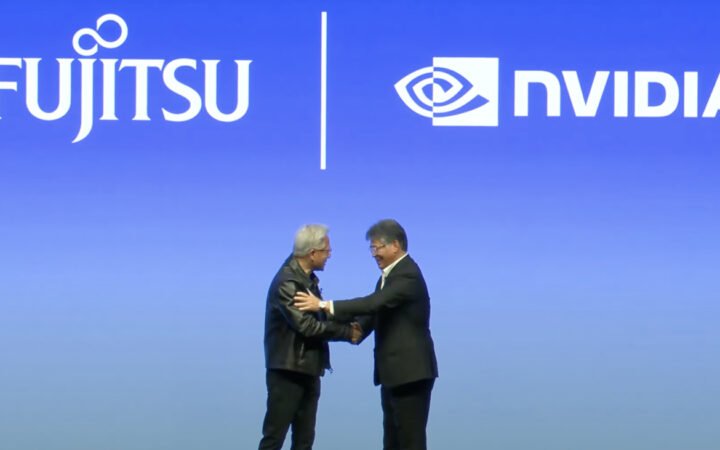
Nvidia and Fujitsu have entered into a strategic collaboration to co-develop AI robotics and foundational AI infrastructure in Japan, aiming for deployment by 2030 and a ‘human-centric’ model of innovation.
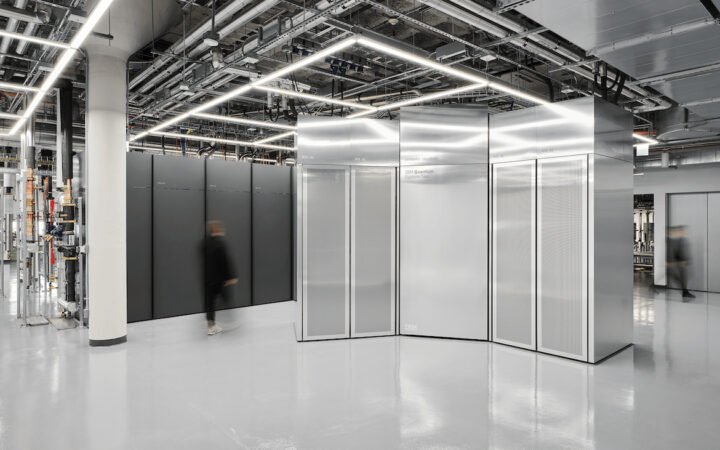
IBM has unveiled a detailed development plan for Quantum Starling, the world’s first large-scale fault-tolerant quantum computer, aiming for deployment by 2029 – setting a milestone for practical quantum capability.