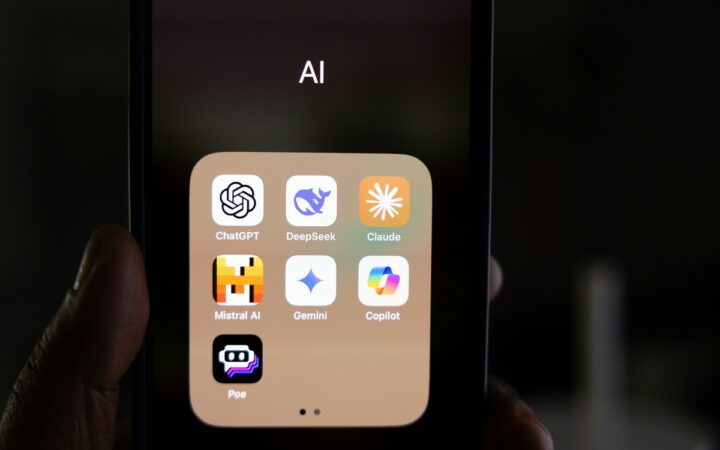
Anthropic Will Ban Extreme Abuse of Claude Under New Usage Policy
Anthropic’s new policy bans extreme, repeated abuse of Claude from November 12, while excluding ordinary frustration, disagreement, fiction and testing.
Explore AIstify's latest reporting, research, and expert analysis tagged with "ai ethics", collected in one continuously updated archive.
Anthropic’s new policy bans extreme, repeated abuse of Claude from November 12, while excluding ordinary frustration, disagreement, fiction and testing.

OpenAI says an internal model has resolved more than 100 open math problems and announced an independent advisory group of nine mathematicians to help guide how it reviews and shares such results.
OpenAI launched AI Futures, a blog from a new Strategic Futures team arguing that AI’s gravest risk is letting power escape the checks that have long depended on human cooperation.
OpenAI launched ChatGPT for Teens, a version with default safety protections, learning tools and parental controls, automatically applied to users it identifies as under 18.

Twenty-six Meta workers sued the company, alleging its AI systems used metrics like token consumption to select layoff targets, disadvantaging people on medical or family leave.

Distributed AI Research Institute is an independent research institute studying artificial intelligence from community-centered, critical, and public-interest perspectives.

Anthropic co-founder Chris Olah told the Vatican that AI development cannot be left solely to technology companies, warning about commercial incentives, labor disruption, and the growing complexity of frontier AI systems.

Pope Leo has called for stronger global oversight of artificial intelligence, warning that unchecked AI development could fuel misinformation, labor disruption, surveillance, and autonomous warfare.

Anthropic co-founder Chris Olah warned that AI development cannot be left solely to technology companies and called for greater oversight from governments, religious institutions, and civil society.

Bias is a systematic distortion in AI results that can produce unfair or inaccurate outcomes for particular groups, situations, or data patterns.

Pope Leo XIV will unveil his first encyclical focused on artificial intelligence, workers’ rights, and the ethical risks of emerging technologies.
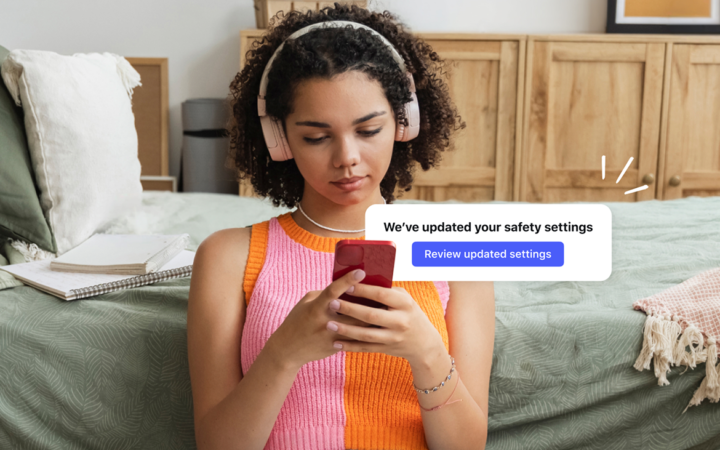
Meta is expanding its AI-driven age detection systems and Teen Account protections across Instagram and Facebook to better identify underage users and enforce safety measures. The move broadens geographic coverage and adds new visual analysis tools.

A growing trend in China allows users to create AI replicas of former partners using personal data. The practice is raising concerns about privacy, emotional dependency, and relationships.
OpenAI outlined how ChatGPT detects and responds to potential threats of violence, including escalation to human reviewers and law enforcement. The update follows growing scrutiny of AI safety practices.

Families of victims in a Canadian school shooting have sued OpenAI, alleging it failed to alert authorities about warning signs in ChatGPT conversations. The case raises questions about AI oversight and duty of care.