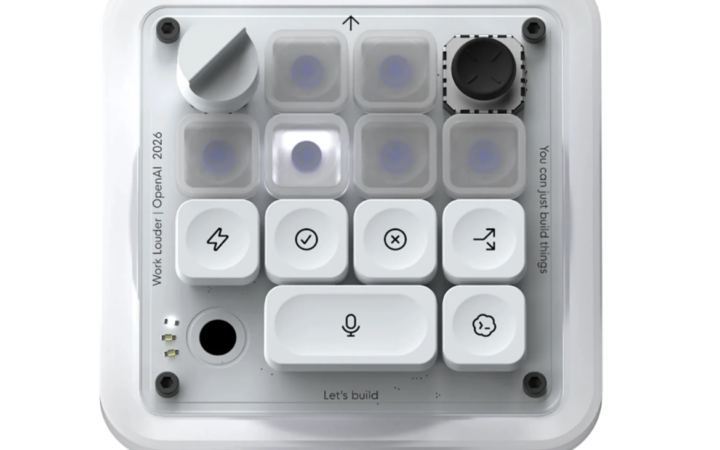
OpenAI Launches Codex Micro, a $230 Keypad for Coders
OpenAI launched Codex Micro, a $230 mechanical keypad built with Work Louder that gives developers physical controls for its Codex coding agent, its first hardware to reach market.
Explore AIstify's latest reporting, research, and expert analysis tagged with "ai device", collected in one continuously updated archive.
OpenAI launched Codex Micro, a $230 mechanical keypad built with Work Louder that gives developers physical controls for its Codex coding agent, its first hardware to reach market.
OpenAI’s first hardware, reportedly designed with Jony Ive, is a portable, screenless smart speaker built as a proactive AI companion that learns its owner and moves on its own.
Apple sued OpenAI for trade secret theft, alleging former employees now at OpenAI stole confidential hardware information to build its first AI device. OpenAI denies it.
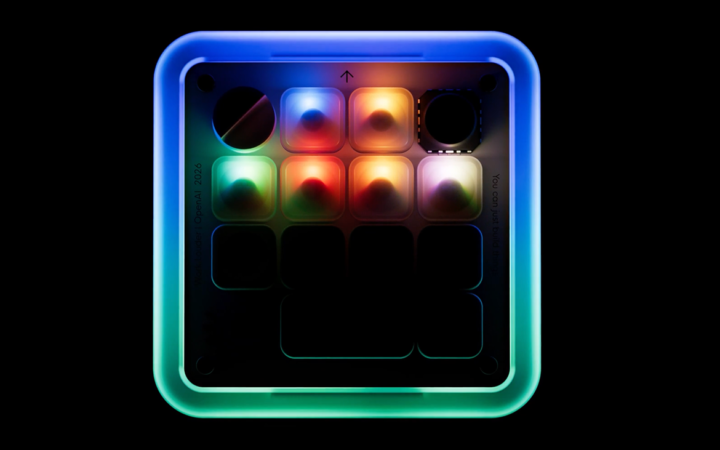
OpenAI teased its first branded hardware, Codex Micro, a programmable macro pad built with Work Louder to give developers physical shortcuts for its Codex coding agent, launching July 15.

Apple used its WWDC 2026 keynote to deliver a rebuilt Siri powered by Google’s Gemini, launch iOS 27 and macOS Golden Gate, and refine the Liquid Glass design system – all in Tim Cook’s final keynote as CEO before stepping down in September.
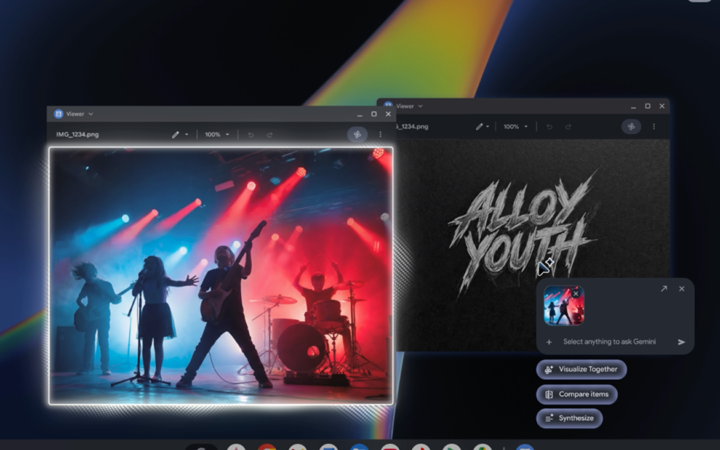
Google has unveiled Googlebook, a new laptop category combining Android and ChromeOS technologies with Gemini AI integrated throughout the system. The devices introduce features such as Magic Pointer contextual actions and AI-generated desktop widgets.
OpenAI’s rumored AI-focused smartphone could enter mass production in 2027, earlier than previously expected, according to analyst Ming-Chi Kuo.
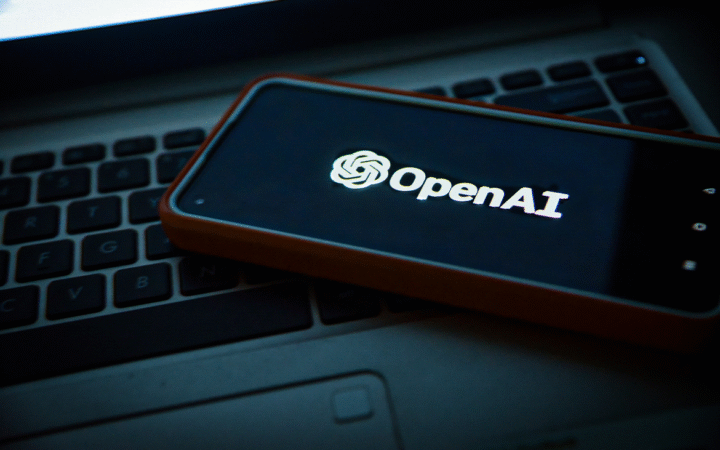
OpenAI is reportedly exploring a smartphone built around AI agents instead of traditional apps. The device could reshape how users interact with software and services.

As John Ternus prepares to take over as Apple CEO, investors are demanding a clearer AI strategy. The company risks falling behind rivals investing heavily in AI.

Snap’s Specs unit will use Qualcomm chips for upcoming smart glasses, deepening a long-standing partnership. The move comes as competition intensifies in AI-powered wearables.
Meta Platforms has launched new AI-powered Ray-Ban smart glasses for prescription users, expanding its wearable AI product lineup.
Sandbar raised $23 million in Series A funding to expand development of its Stream smart ring, a wearable designed for AI-powered note-taking and voice interactions.
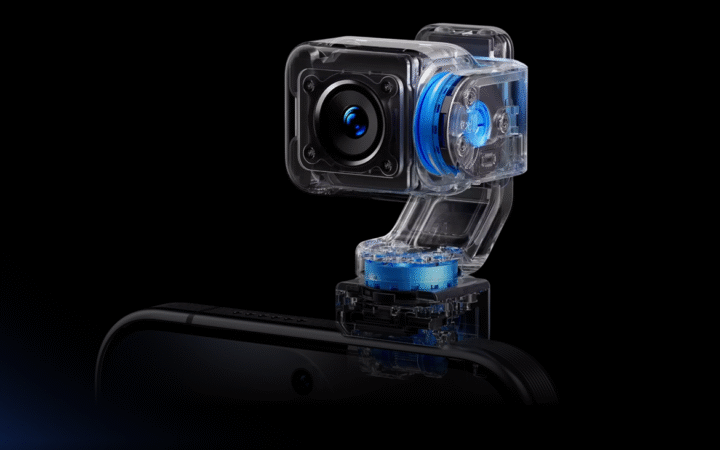
Honor confirmed its Robot Phone will launch in the second half of the year, featuring a 200MP camera with a built-in three-axis mechanical gimbal system.
Meta CEO Mark Zuckerberg’s appearance at Prada’s Milan Fashion Week show has sparked speculation about a potential Prada-branded version of Meta’s AI glasses. The company has not confirmed any collaboration.

Burger King is testing an AI-powered headset system called Patty, designed to monitor operations, assist employees, and track service patterns in real time.