Key Notes
- NVIDIA, Rebellions and SK Telecom plan to combine Korean-designed R200 processors with NVIDIA infrastructure to support Korea’s sovereign AI services.
- The proposed system would assign prompt processing to NVIDIA GPUs and answer generation to Rebellions NPUs, with efficiency gains still to be validated.
- R200 systems are expected to be deployment-ready in 2028, so the agreement describes future development rather than a completed commercial rollout.
NVIDIA, Korean chip designer Rebellions and SK Telecom are teaming up to build AI infrastructure that combines NVIDIA GPUs with Korean-designed processors. The collaboration gives South Korea a route to expand its domestic AI hardware industry while using NVIDIA’s established networking and data center platform.
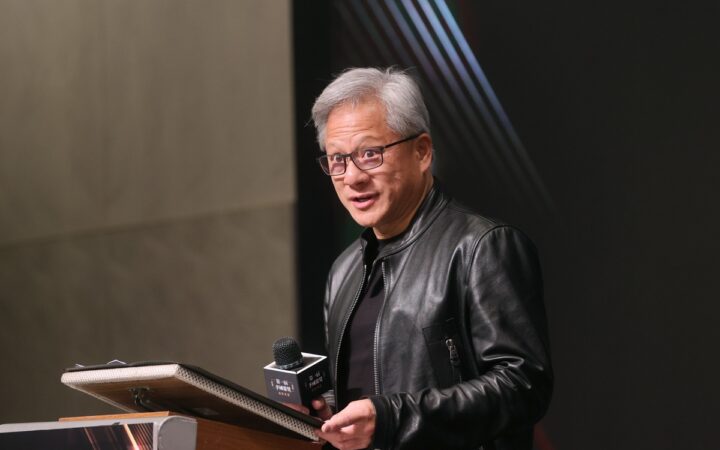
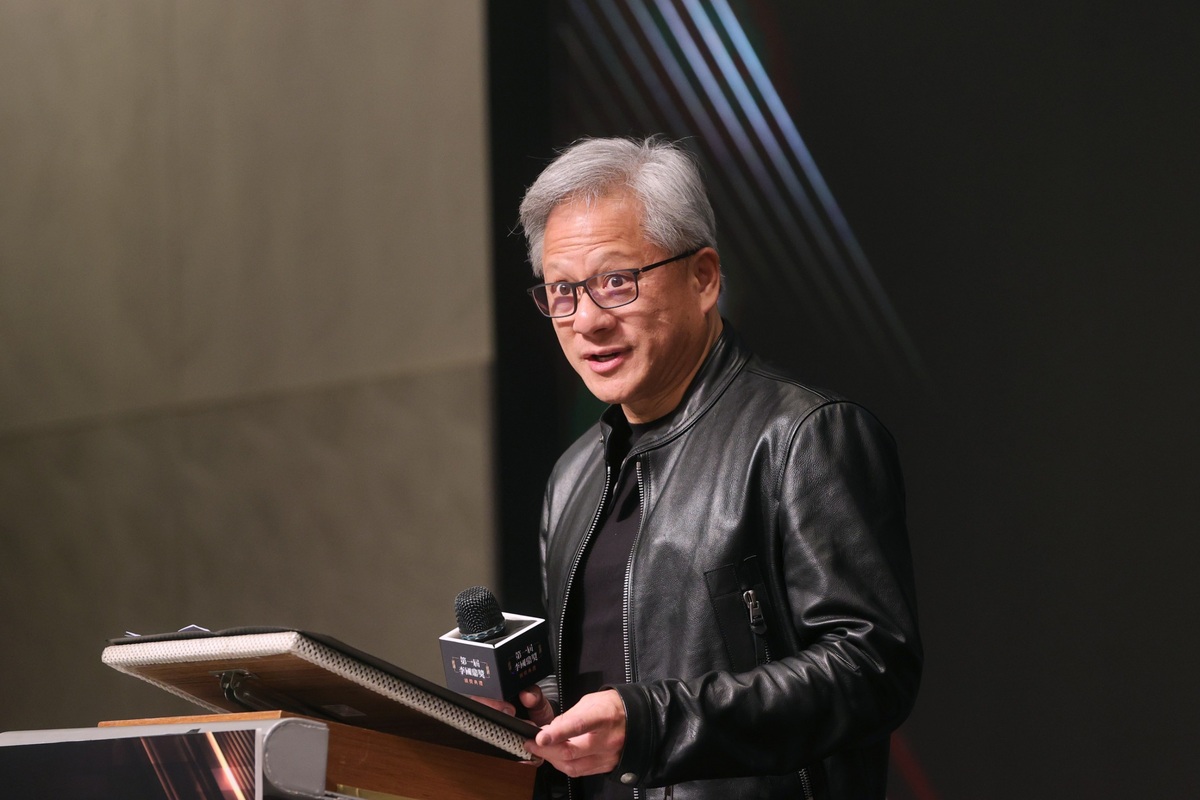
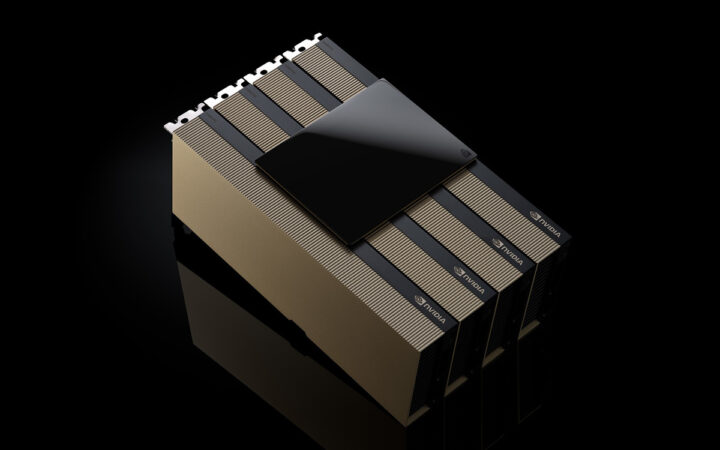
The companies announced plans to connect Rebellions’ Rebel R200 neural processing units through NVLink Fusion and develop systems around NVIDIA’s MGX rack architecture. SK Telecom signed the development memorandum at NVIDIA AI Day Seoul on November 9 and plans to validate the resulting systems in its AI data centers.
The hardware is still in development. NVIDIA expects R200 systems to be ready for deployment in 2028, making this a plan for future infrastructure rather than an announcement that the combined system is already serving customers.
Two Kinds of Chips, Two Stages of an Answer
The partners plan to divide inference—the process of running a trained model—between different processors. SK Telecom explained that NVIDIA GPUs would handle prefill, when the system processes a user’s prompt. Rebellions NPUs would handle decode, when the model generates its response token by token.
The stages place different demands on hardware. Processing a prompt involves substantial computation, while sequential answer generation depends heavily on moving model data from memory. The aim is to assign each stage to the architecture suited to it, improving throughput and power efficiency.
Those are engineering goals. The announcement provides no measured speedup, energy saving or cost per generated token for the proposed combined system. SK Telecom says it will test performance and stability and examine commercial use, leaving those results to future validation.
Why NVIDIA Is Making Room for Korean Silicon
NVLink Fusion extends NVIDIA’s high-speed interconnect technology to custom processors from other companies. MGX provides a common framework for rack design, power delivery, cooling and related infrastructure, allowing different accelerator systems to draw on an established supplier ecosystem.
That addresses a challenge beyond designing a competitive chip. A processor also needs a working system around it, from interconnects and cooling to manufacturing partners and operational support. Using shared infrastructure can reduce the amount a smaller chip company must develop independently.
For NVIDIA, the arrangement keeps its technology central even when customers choose another company’s accelerator for part of the workload. It follows the broader approach seen in its Marvell partnership: expand the platform’s reach by accommodating specialized processors alongside NVIDIA hardware.
Sovereign AI Still Depends on Partnerships
Korea’s Ministry of Science and ICT supports the collaboration. SK Telecom intends to connect the infrastructure with its own models, including A.X K2, and public-facing services under the government’s AI for All project. The objective is to link domestic chips, models and operations into services suited to Korean users.
That fits the industrial ambition behind South Korea’s AI spending proposal, which we reported on earlier this month. The new agreement focuses on making Korean processors part of a deployable computing system, rather than treating semiconductor development and AI services as separate projects.
The collaboration also illustrates what sovereignty can mean in practice: a larger domestic role within an international technology stack. Korean-designed silicon and locally operated services would still rely on NVIDIA connectivity and infrastructure. Whether that combination delivers a competitive alternative will depend on the R200 systems reaching deployment and demonstrating the promised efficiency.
Disclaimer: AIstify is an independent media brand owned and operated by NuvexMedia LLC, publishing news, research, and insights on artificial intelligence, emerging technologies, automation, and related industries. NuvexMedia LLC invests in and collaborates with companies across the AI, technology, software, and digital innovation sectors. These relationships do not influence AIstify’s editorial coverage, and the publication maintains full editorial independence to provide accurate, timely, and objective information. © 2026 NuvexMedia LLC. All rights reserved. This content is for informational purposes only and should not be considered legal, tax, investment, financial, or other professional advice.