Guide
Physical AI Explained: How Artificial Intelligence Controls Robots
Follow a robot from camera input to movement and feedback, and learn how training, simulation and real-world tests separate a demo from reliable autonomy.
The daily AI timeline
Follow the news, briefs and guides shaping artificial intelligence, from new models and research to the companies and policies behind them.
Monday
Monday
Follow a robot from camera input to movement and feedback, and learn how training, simulation and real-world tests separate a demo from reliable autonomy.
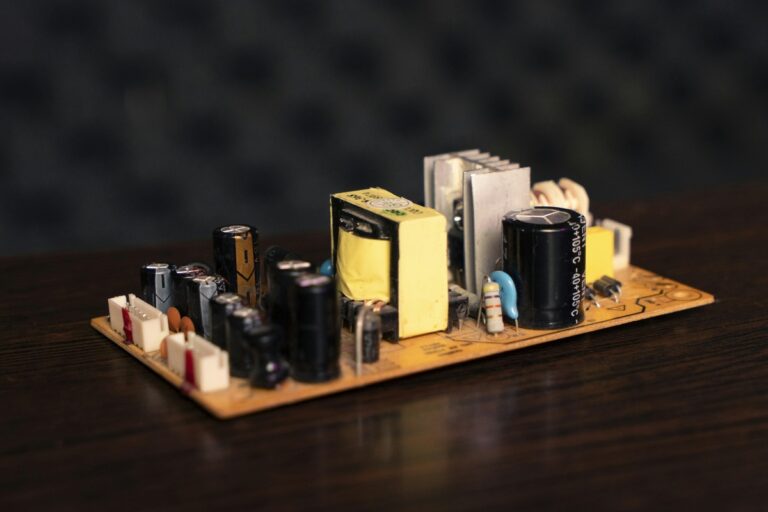
Navitas and Nvidia have developed a 24kW board that converts 800V to 12V in one stage, targeting more efficient power delivery for AI data centers.
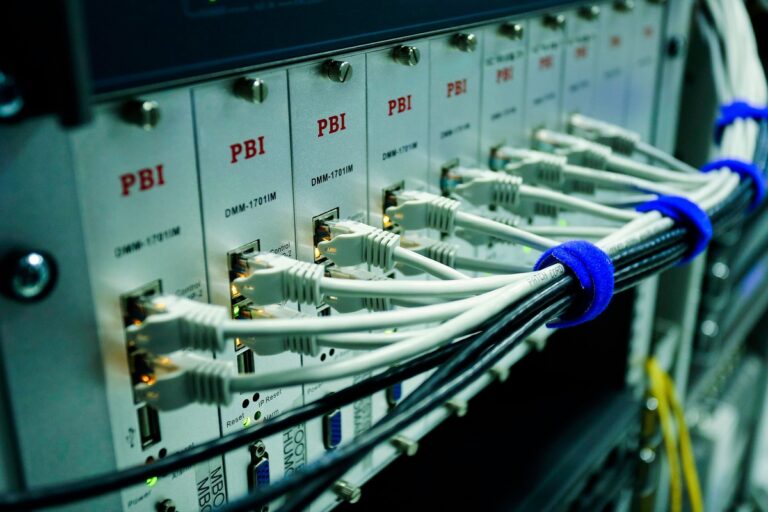
Microsoft has put Cisco Silicon One P200-powered systems into production, adding deep-buffer routing capacity for its growing cloud infrastructure.
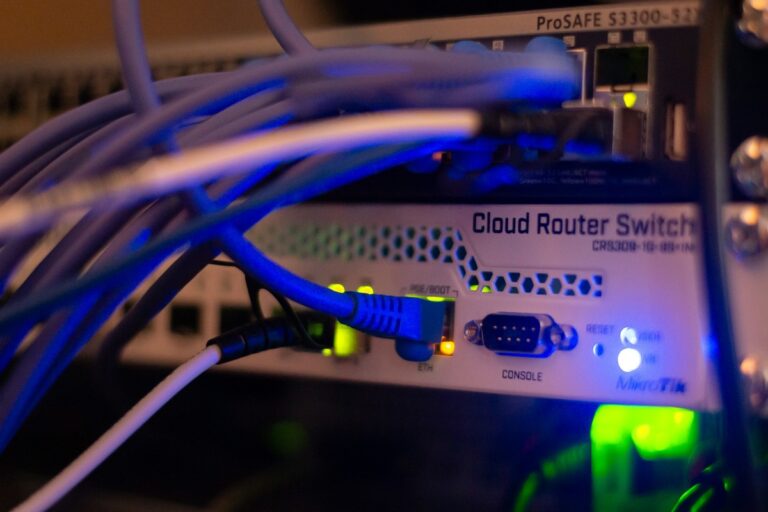
Nvidia and Cisco outline USFP optics for denser, more efficient AI networks, alongside new Cisco systems for scaling and managing data centers.

Hackers disrupted French supermarket refrigeration, with Intermarché reporting temperatures up to 50°C for six hours as stores discarded food.

Zuckerberg says Meta has reached the AI frontier with Muse Wonder and rejects a slowdown, putting performance and safety claims under fresh scrutiny.

A user claimed to cancel Musk’s LEGO order after his Grok shopping demo. Musk denied it, turning the exchange into a debate over purchase privacy.
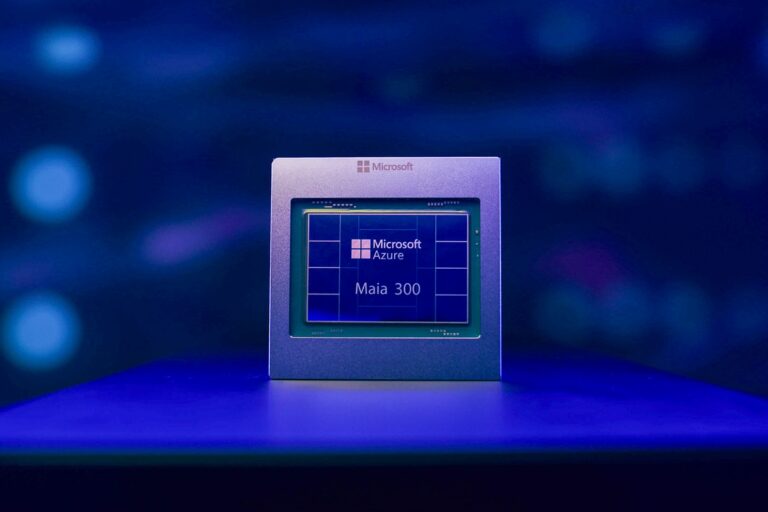
Microsoft plans to make Maia its primary AI inference system, with Maia 300 arriving in 2027 and a larger role for its homegrown chips.
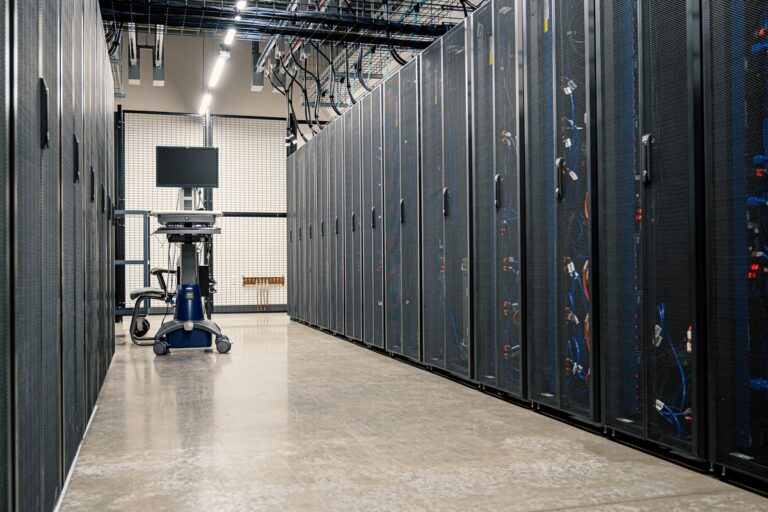
AMD Helion offers CPU-only and integrated CPU/GPU racks for AI agents, with up to 32,768 Zen 6 cores and November 2026 availability planned.

OpenAI’s mass mathematics release sparks a debate over research, proof verification and Terence Tao’s vision for “Math 2.0.”

Kristalina Georgieva warns AI could reshape 40% of jobs worldwide, with young graduates facing pressure as routine entry-level work is automated.

Shou Zi Chew expects AI breakthroughs in science within two to three years. ByteDance’s Protenix research shows progress, while verification and agent safety remain key.
Amazon is reportedly in talks to buy Decart for around $7 billion, targeting a startup whose real-time AI models and software already run on AWS Trainium.
You have reached the beginning of our coverage.