
Key Notes
- A PC enthusiast reported that a GTX 1080 ran again after heat treatment, following black screens and shutdowns after 10–15 minutes of use.
- PCGH’s 80% figure refers to readers reporting full or partial improvement, while the outlet also says faults often returned within a year.
- The reported oven temperature is below the melting range of a common lead-free solder alloy, so the account does not establish a permanent solder repair.
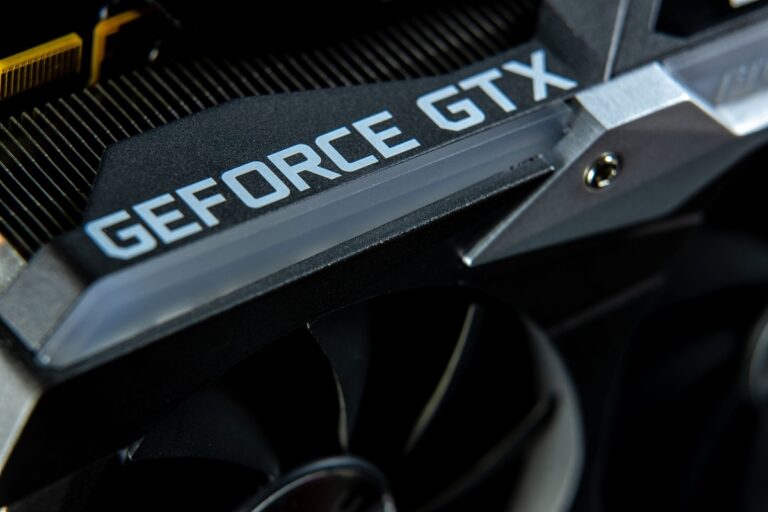
A failing NVIDIA GeForce GTX 1080 reportedly returned to working order after 35 minutes in a household oven. The card subsequently ran FurMark without the earlier crashes, PC Games Hardware reported on November 6.
The account came from forum user FoxX11, who described a machine that developed a black screen and shut down after around 10–15 minutes. Suspecting a faulty solder joint, the user reported heating the card at 120–130°C and said it worked again afterward. That suspected cause remains a diagnosis by the user, rather than a verified failure analysis.
What the 80% Figure Measures
The widely repeated 80% number needs qualification. PCGH cites a reader survey in which that share of respondents who tried heat treatment reported full or partial success. It is a collection of enthusiasts’ experiences, not a controlled study establishing an 80% permanent-repair rate.
The outlet also says faults returned within a year in about two-thirds of cases. In its own earlier experiment, two of seven circuit boards recovered and a third improved. Those were boards, not necessarily seven examples of the same graphics card with the same fault.
That distinction matters when interpreting a successful video or benchmark run. It shows that a device operated during the recorded test. Establishing a lasting repair would require more evidence about the original fault and how the hardware behaves over time.
The Cause Remains Unconfirmed
Heating a board to 130°C also does not, by itself, establish that its solder was melted and repaired. For comparison, manufacturer Kester lists a melting range of 217–219°C for its SAC305 lead-free solder alloy, well above the temperature in this account. That reference does not identify the alloy or defective connection in FoxX11’s particular card.
The GTX 1080 is now more than a decade old. NVIDIA introduced the Pascal-based model in May 2016 with 8GB of GDDR5X memory. Its age helps explain the appeal of attempting to extend an existing card’s life, especially when replacement is the alternative.
PCGH does not recommend the oven method. It warns that heating electronics can release substances into the surrounding environment and raises concerns about contamination when a household appliance is later used for food.
Disclaimer: AIstify is an independent media brand owned and operated by NuvexMedia LLC, publishing news, research, and insights on artificial intelligence, emerging technologies, automation, and related industries. NuvexMedia LLC invests in and collaborates with companies across the AI, technology, software, and digital innovation sectors. These relationships do not influence AIstify’s editorial coverage, and the publication maintains full editorial independence to provide accurate, timely, and objective information. © 2026 NuvexMedia LLC. All rights reserved. This content is for informational purposes only and should not be considered legal, tax, investment, financial, or other professional advice.