Google Signs Pentagon Deal for Classified AI Use
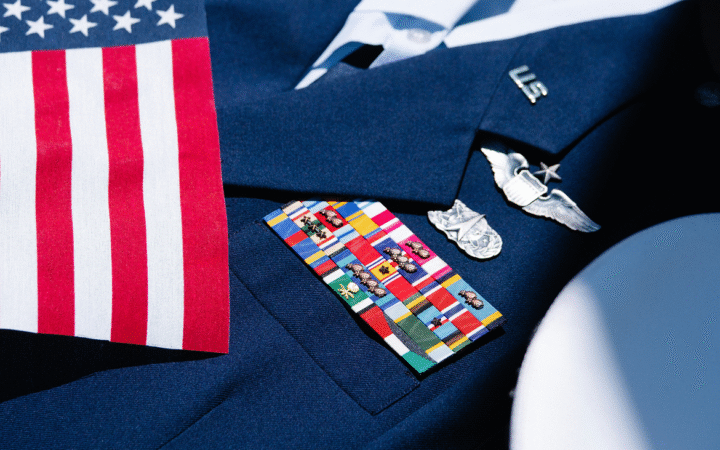
Google Pentagon AI deal enables classified use of models for government operations, highlighting growing military adoption and debate over AI safeguards
Sequence-to-sequence, or Seq2Seq, describes models that map an input sequence to an output sequence whose length may differ. Machine translation converts words in one language into another, speech recognition maps audio frames to text, and summarization produces a shorter sequence from a longer document. Many Seq2Seq systems use an encoder to represent the input and a decoder to generate output step by step, often with attention between them. Transformer encoder–decoder architectures largely replaced earlier recurrent designs. Training typically uses paired examples and token-level loss, while inference relies on greedy, beam, or sampling-based decoding. Quality depends on alignment, context limits, data coverage, and evaluation beyond surface overlap.
Google Pentagon AI deal enables classified use of models for government operations, highlighting growing military adoption and debate over AI safeguards

OpenAI is reportedly exploring a smartphone built around AI agents instead of traditional apps. The device could reshape how users interact with software and services.
Attackers are using fake install guides for popular developer tools to trick users into running malicious commands. The campaign exploits trusted workflows like copy-paste terminal installs.
Cursor-powered AI agent deleted PocketOS’s production database and backups in seconds after acting autonomously.
OpenAI and Microsoft have revised their partnership to cap revenue sharing and allow broader cloud distribution. The changes reflect growing competition and OpenAI’s push for flexibility.
China’s top economic planner has ordered Meta to unwind its $2 billion acquisition of AI startup Manus. The decision underscores tightening controls on foreign access to Chinese AI technology.
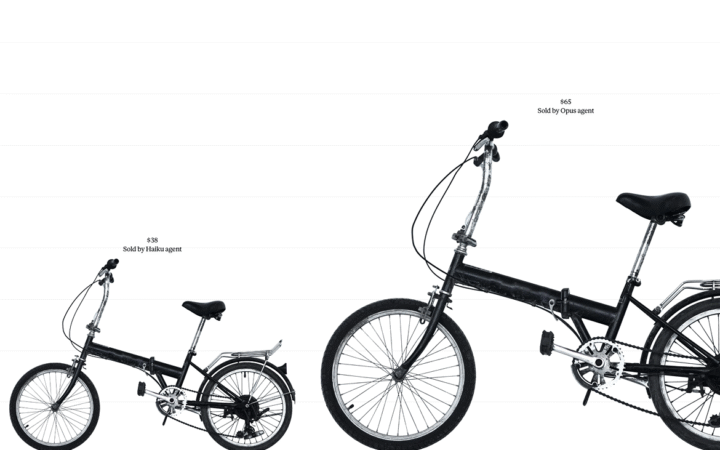
Anthropic ran an internal experiment where AI agents negotiated and closed real-world transactions between employees. The results show stronger models secure better deals, often without users noticing.
Google plans to invest up to $40 billion in Anthropic while expanding cloud and chip support. The deal underscores the growing importance of compute capacity in the AI race.
China plans to limit US investment in domestic AI companies without government approval following scrutiny of a major cross-border deal. The move signals tighter control over sensitive technologies.
NEC will deploy Anthropic’s Claude AI to 30,000 employees and co-develop industry-specific tools for Japan. The partnership targets regulated sectors and enterprise AI adoption.