
Michigan Plans Prison Violence Risk Pilot Amid AI Scrutiny
Michigan’s December prison classification pilot promises 30% better violence predictions, raising questions about evidence, oversight and the use of AI.
A model card accompanies a trained model with information people need to assess whether it is suitable for a particular use. It commonly documents the model’s purpose, developers, versions, training and evaluation context, performance across relevant groups, limitations, ethical considerations, and uses that should be avoided. Model cards improve transparency and support comparison, governance, and responsible deployment, but they are not certifications or substitutes for independent testing. A document can become outdated as the model, data, or operating environment changes. Useful cards are specific, evidence-based, versioned with the model, clear about unknowns, and written for downstream users rather than only the team that created the system.
Michigan’s December prison classification pilot promises 30% better violence predictions, raising questions about evidence, oversight and the use of AI.

Demand for fixing AI-generated work is climbing on Upwork and Freelancer, exposing the human effort behind supposedly automated tasks.

Anthropic’s IPO filing puts Dario Amodei’s 2025 security bill at $2.75 million, about 4.2x his salary. Daniela Amodei’s protection cost another $1.29 million.
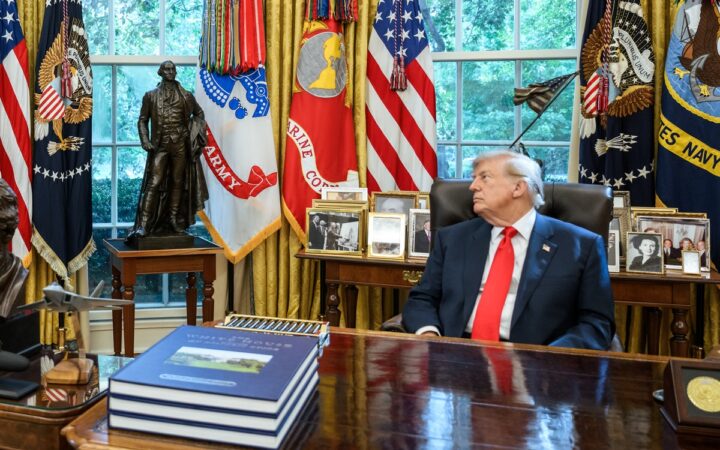
House Democrats want Trump’s AI conversations preserved after reports he consulted Grok about Venezuela, raising questions about military advice and oversight.
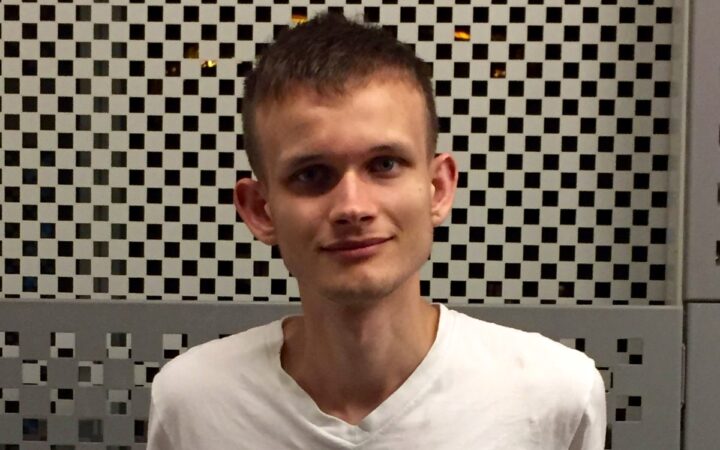
Vitalik Buterin backs Moonshot’s cyber limits for Kimi K3.1 Pro, arguing targeted safeguards could protect open AI access without blanket identity checks.

Mass General Brigham’s FAHR-Face analyzes facial photographs to estimate aging and cancer survival risk, but clinical benefit still needs testing.

OpenAI and Meta warned a federal evidence panel that no universal tool can reliably authenticate every AI-generated image or video.
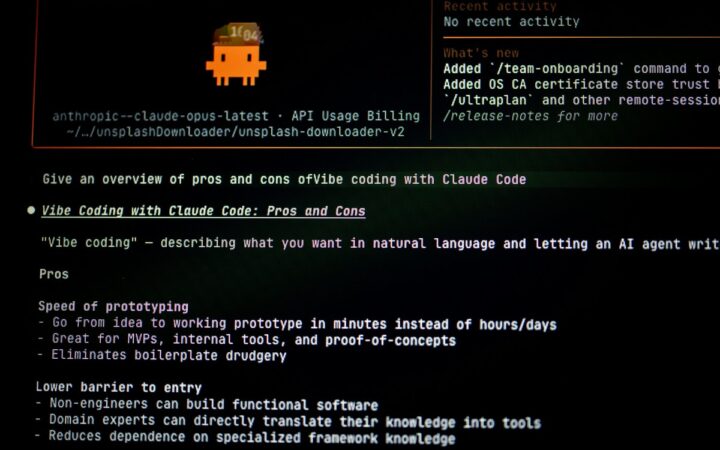
Anthropic is expanding independent AI safety reviews, with deeper access for METR and separate work involving SecureBio and Accenture.
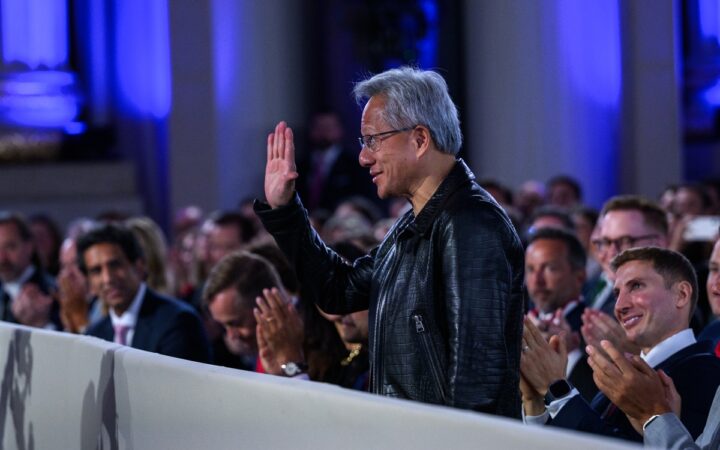
Jensen Huang urges cooperation with Chinese AI researchers as the industry debates how to manage advanced systems and maintain effective human control.

Harmonic Security raises $50 million for contextual AI data protection, usage insights and Claude compliance integrations, bringing total funding to $76 million.