OpenClaw 2.0 Ships With Simplified Setup and Shared Sessions
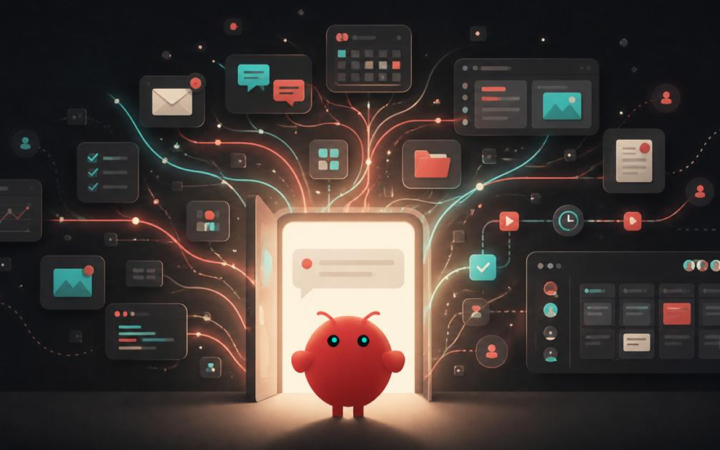
Open-source AI agent OpenClaw released its largest update yet, simplifying installation and adding shared cloud sessions that let multiple people collaborate on one agent.
MLOps is the set of practices used to move machine learning from experiments into reliable production services. It connects data preparation, training pipelines, experiment tracking, model registries, automated testing, deployment, monitoring, and retraining with software engineering and operational controls. Unlike ordinary application code, a model can degrade when incoming data or real-world behavior changes even if no code was modified. MLOps therefore tracks data quality, performance, drift, lineage, versions, and infrastructure alongside uptime and errors. Effective implementation also defines approval gates, rollback procedures, security, cost controls, and clear ownership among data scientists, engineers, platform teams, and domain experts.
Open-source AI agent OpenClaw released its largest update yet, simplifying installation and adding shared cloud sessions that let multiple people collaborate on one agent.

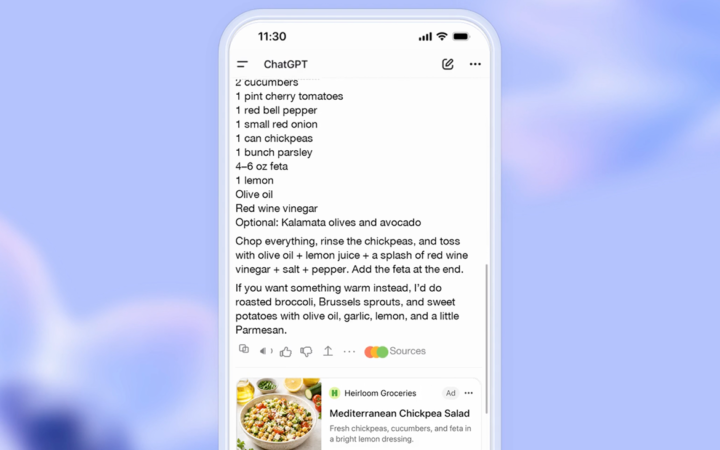
OpenAI says ChatGPT Ads reached a $1 billion annualized revenue run rate in under 200 days, expanding self-serve ad buying to India, Europe and the Middle East.
Anthropic agreed to a $35 billion, six-year computing deal with Nvidia-backed Lambda, its latest megadeal in a compute-buying spree that has topped $150 billion this year.
A federal judge ruled the Pentagon’s designation of Anthropic as a supply chain risk was illegal retaliation for the company’s public stance on military AI use.
Nvidia has reportedly agreed to acquire open-source AI platform Hugging Face for $12.9 billion, though no signed deal is confirmed and talks could still fall apart.
Anthropic opened a research preview of the Model Hardware Standard, letting AI agents operate lab and factory equipment like microscopes and robotic arms in its first physical-world product.
Nvidia is building hardware optimizations for Chinese AI models like DeepSeek and Qwen, even as it warns regulators that US restrictions on such models could hurt its business.
Google launched Gemini 3.5 Transcribe, a speech-to-text model supporting 85+ languages that cleans up filler words and self-corrections, ranking fifth on an independent accuracy leaderboard.
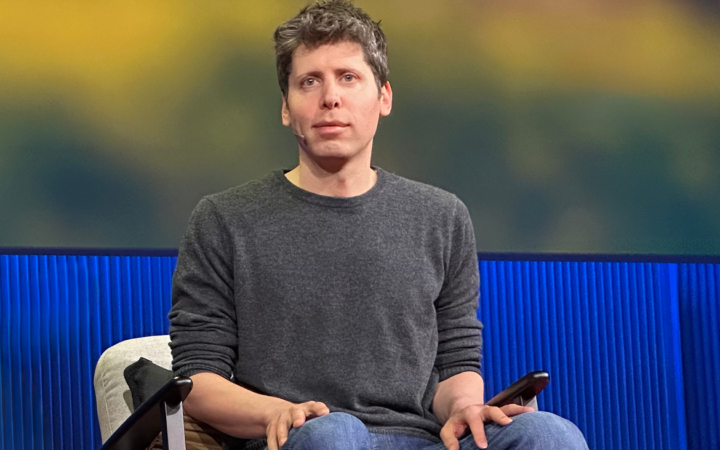
Sam Altman told TIME that OpenAI expects an internal system it would call AGI by year’s end, built on its unreleased Astra model, though the claim rests on a contested definition.
Bill Gates published a 6,000-word essay warning that the AI transition could be one of history’s most disruptive periods, urging new institutions and a plan before it’s too late.