Anthropic Confidentially Files for IPO Amid Explosive Growth
Anthropic has confidentially filed for an initial public offering, positioning itself for one of the most closely watched AI listings in history.
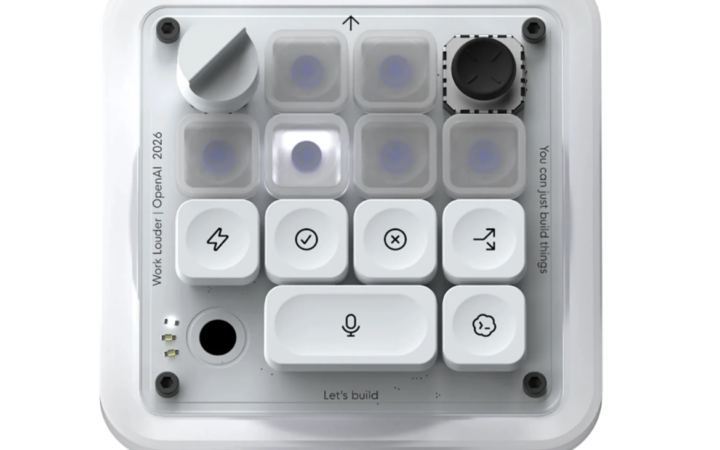
Human-computer interaction, or HCI, is the field concerned with how people use and experience computing systems. It combines computer science, design, psychology, ergonomics, and social research to create interfaces that are effective, understandable, accessible, and safe. In AI products, HCI addresses how users express intent, interpret uncertain outputs, correct errors, calibrate trust, and retain control when automation behaves unexpectedly. Researchers use interviews, observation, prototypes, experiments, and usability studies to test designs in context. Good HCI does not simply make a model easier to access; it helps align the entire interaction with real human capabilities, limitations, goals, and responsibilities.
Anthropic has confidentially filed for an initial public offering, positioning itself for one of the most closely watched AI listings in history.
OpenAI has introduced role-specific plugins, collaborative websites, and annotation tools for Codex as the platform expands beyond software development. More than 5 million people now use Codex weekly, with non-developers becoming one of its fastest-growing user groups.
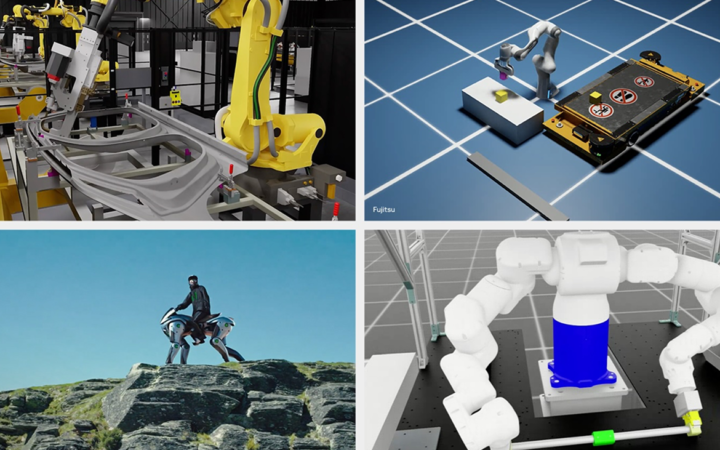
Investors and technology leaders increasingly view humanoid robots as the next major growth opportunity in artificial intelligence. Industry forecasts suggest the market could expand from a few billion dollars today to hundreds of billions within the next decade.
Anthropic says cybercriminals are increasingly using AI for advanced post-compromise operations and autonomous attack chains. The company argues that existing cybersecurity frameworks may no longer fully capture how AI-powered threats operate.
Anthropic is expanding Project Glasswing to approximately 200 organizations using Claude Mythos Preview to identify software vulnerabilities. The initiative aims to strengthen cybersecurity defenses as increasingly powerful AI models become widely available.
Morningstar has valued SpaceX at $780 billion, far below the company’s reported $1.75 trillion IPO target. The research firm cited uncertainty around SpaceX’s AI business, Starlink’s long-term prospects, and unproven technologies.
Alphabet plans to raise $80 billion through stock offerings and a strategic investment from Berkshire Hathaway to expand AI infrastructure. The funding will support growing demand for Google’s AI services and computing capacity.
Major AI companies are increasingly focusing on humanoid robots as the next frontier of artificial intelligence. The shift is drawing investments from Nvidia, OpenAI, Tesla, Meta, and a growing group of robotics startups seeking to bring AI into the physical world.
OpenAI has launched a dedicated robotics division focused on building humanoid robots for infrastructure projects and future consumer use. The move expands the company’s ambitions beyond software and places it in direct competition with Tesla’s Optimus program.
SoftBank plans to invest €45 billion in three large-scale AI data centers in France as part of a broader €93 billion foreign investment push announced at the Choose France summit.