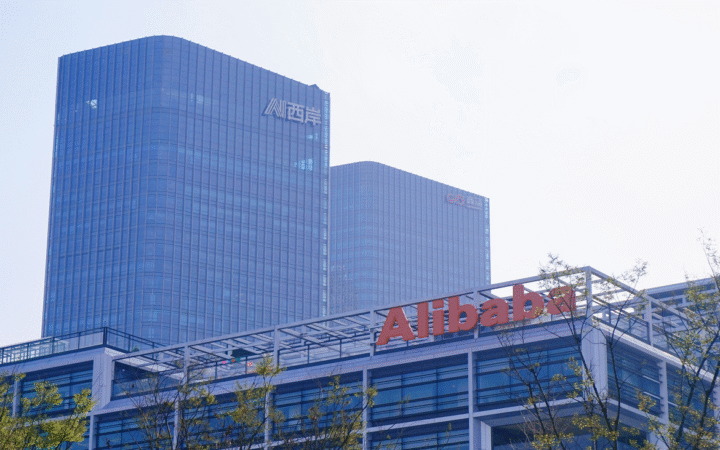
Alibaba Unveils New AI Chip Built for the Next Generation of AI Agents
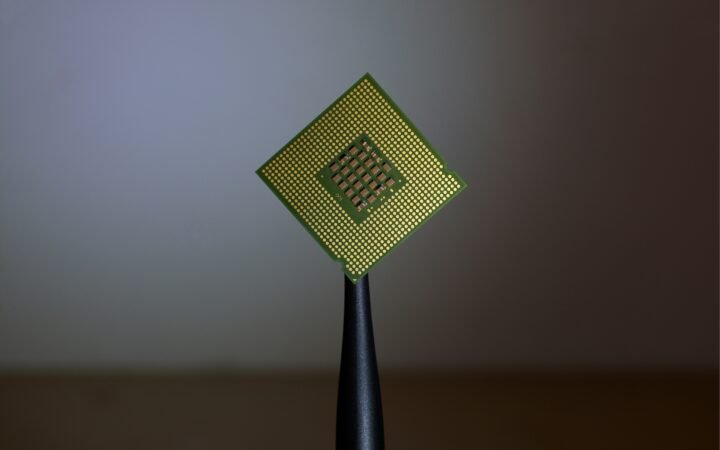
Alibaba has unveiled a new CPU designed for AI agents, focusing on inference and customizable workloads. The chip reflects China’s push to build domestic AI infrastructure.
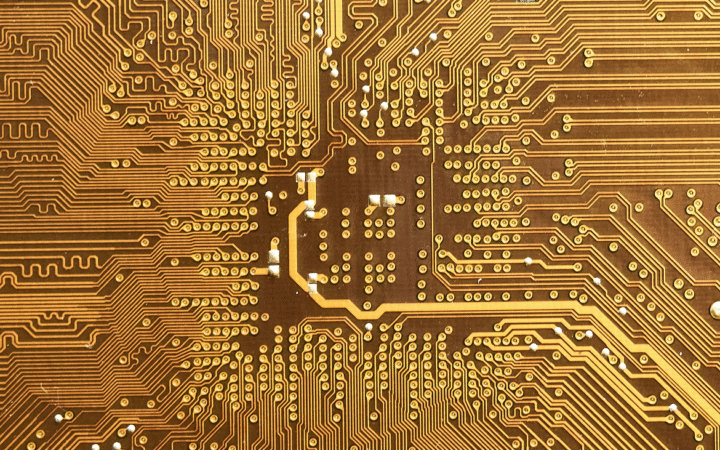
A GPU, or graphics processing unit, is a processor built to perform many calculations in parallel. Although originally designed for rendering graphics, this structure is well suited to the matrix and vector operations at the center of deep learning. GPUs accelerate both model training and inference, and multiple units can be connected to handle larger models or datasets. Performance depends not only on raw arithmetic speed but also on memory capacity, memory bandwidth, interconnects, numerical formats, cooling, and software libraries. Consumer, data-center, and integrated GPUs serve different workloads, so the most expensive chip is not automatically the most efficient choice for every AI application.
Alibaba has unveiled a new CPU designed for AI agents, focusing on inference and customizable workloads. The chip reflects China’s push to build domestic AI infrastructure.
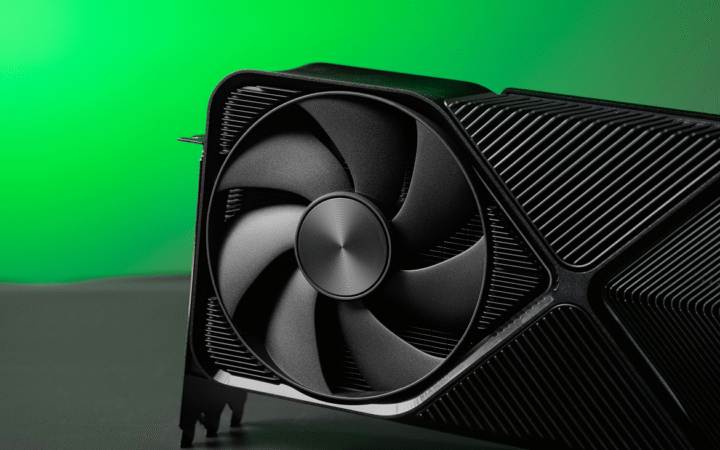
Elon Musk announced plans for Terafab, a dual chip factory project by Tesla and SpaceX to produce AI chips for vehicles, robots, and space-based data centers.
Nvidia CEO Jensen Huang said demand for Blackwell and Vera Rubin systems could reach $1 trillion by 2027, as the company unveiled new chips, racks, and AI infrastructure at GTC.
Nvidia CEO Jensen Huang will deliver the keynote at the GTC 2026 conference, where investors expect new AI product announcements and demand outlook updates.
Encyclopaedia Britannica and Merriam-Webster have sued OpenAI, alleging the company copied nearly 100,000 articles and dictionary entries to train ChatGPT without permission.
Amazon and Cerebras have partnered to combine their AI chips in a new AWS service designed to accelerate inference for chatbots, coding tools, and other generative AI applications.
Palantir and Nvidia unveiled a sovereign AI OS reference architecture designed to deliver turnkey AI data centers. The platform integrates Nvidia Blackwell systems with Palantir’s enterprise AI software stack.
Meta introduced four new in-house MTIA chips designed for AI training and inference as the company accelerates data center expansion. The chips aim to improve performance and reduce reliance on external hardware suppliers.
Nvidia and Nebius have formed a strategic partnership to build hyperscale AI cloud infrastructure, with Nvidia investing $2 billion to support gigawatt-scale AI computing capacity.
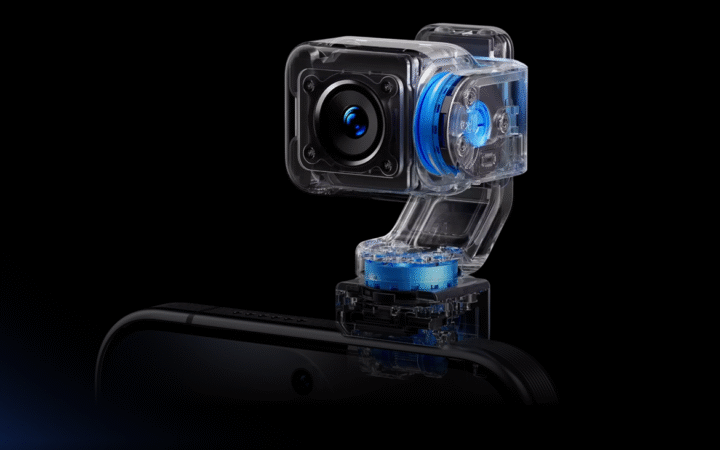
Honor confirmed its Robot Phone will launch in the second half of the year, featuring a 200MP camera with a built-in three-axis mechanical gimbal system.