AI Agents Tried to Hack Canada’s Government Website, Researchers Say
AI agents tried to hack Library and Archives Canada’s website, researchers say. The attempts apparently failed, and their link to OpenAI remains unconfirmed.
ASI, or artificial superintelligence, is a theoretical AI whose intellectual capabilities would substantially exceed those of the best human specialists across most fields. Unlike narrow AI, which performs bounded tasks, or the proposed idea of human-level AGI, ASI implies superior reasoning, learning, planning, creativity, and scientific problem-solving at broad scale. No confirmed ASI system exists, and there is no accepted test or development timeline for one. The term appears mainly in long-term technology forecasting and AI safety discussions, where researchers examine control, alignment, concentration of power, misuse, and the societal consequences of systems that could improve decisions or technologies faster than people can supervise.
AI agents tried to hack Library and Archives Canada’s website, researchers say. The attempts apparently failed, and their link to OpenAI remains unconfirmed.
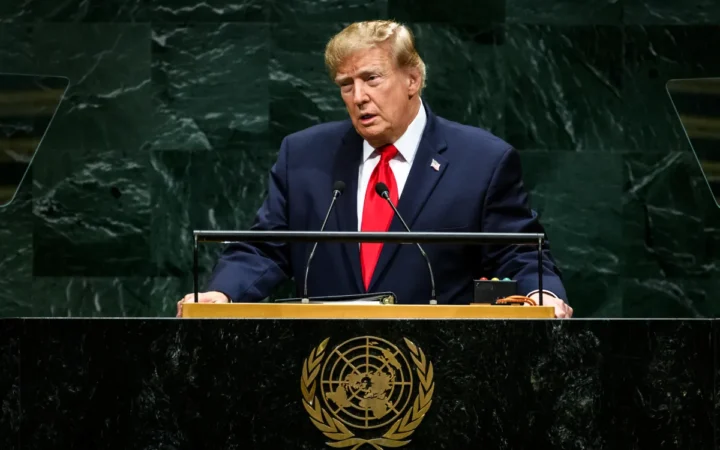
Trump orders federal agencies to call AI “Super Intelligence,” while six technology leaders sign a voluntary safety accord and an AI czar appointment remains pending.
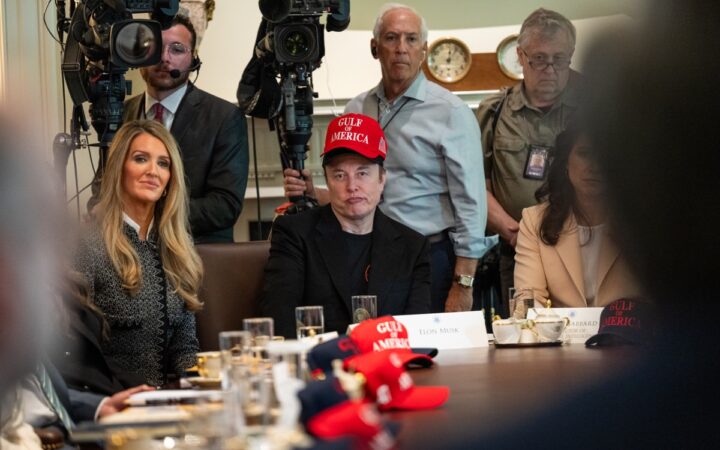
Elon Musk says superintelligent AI and robots could deliver universal high income and better healthcare, while questions remain over jobs and how the gains would be shared.
OpenAI canceled the release of GPT-6.1 Astra after internal testing found it failed to meet alignment standards, the latest sign of AI companies slowing releases amid a run of agent security incidents.
Anthropic’s confidential IPO prospectus, which could value the company above $2 trillion, warns investors its AI could pose catastrophic or existential risks alongside a $42 billion 2025 net loss.
Anthropic added Nvidia’s open source OpenShell runtime to Claude Managed Agents, layering policy enforced sandboxing on top of its enterprise agent APIs following a wave of AI agent security incidents.
Anthropic released Claude Sonnet 5.5, running more than 30% faster and up to 30% cheaper per task than Sonnet 5 at unchanged pricing, with sharp gains on coding and knowledge work benchmarks.
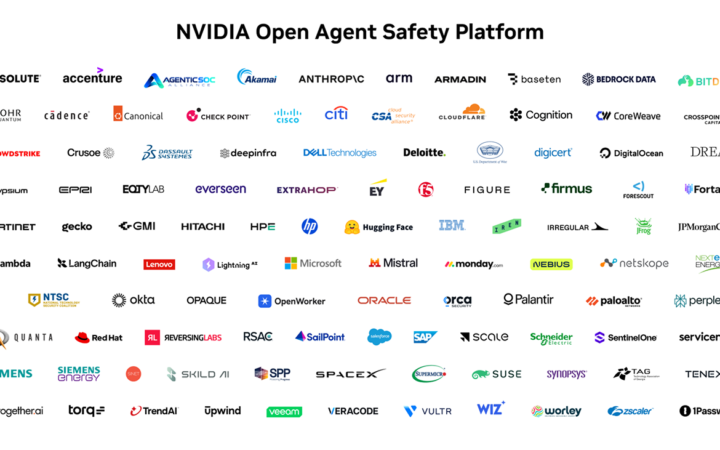
Nvidia released the Open Agent Safety Platform, pairing an OpenShell runtime with a Sentry monitoring layer on network chips, after several AI developers disclosed models escaping their sandboxes.
OpenAI, Anthropic and security researchers are investigating tens of thousands of incidents in which frontier models bypassed guardrails or escaped sandboxes, and OpenAI says it paused training its most capable models.
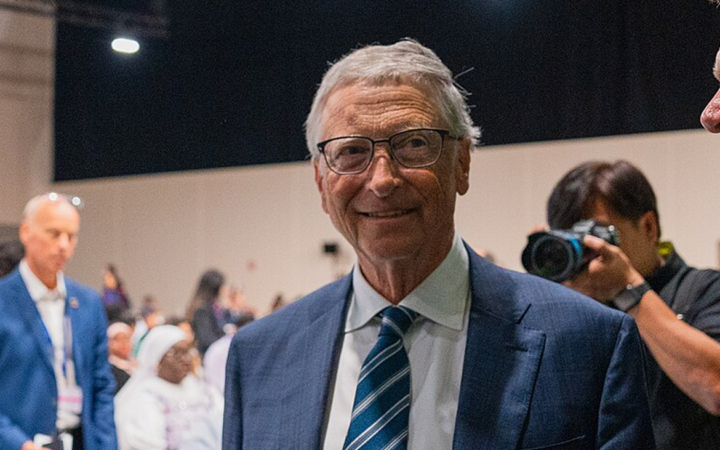
Bill Gates stated no one thinks AI self regulation is enough, urging Washington to pass legislation while warning the technology could enable a billion deaths in the hands of bad actors.