Apple Sues OpenAI, Alleging Theft of Hardware Trade Secrets
Apple sued OpenAI for trade secret theft, alleging former employees now at OpenAI stole confidential hardware information to build its first AI device. OpenAI denies it.

An AI workflow is the end-to-end sequence used to turn a problem and its data into a functioning artificial intelligence system. Depending on the application, it may include data collection, cleaning, labeling, model selection, training, evaluation, deployment, monitoring, and feedback. Generative AI workflows can also add retrieval, prompt construction, tool calls, guardrails, and human approval steps. Mapping the workflow makes dependencies and failure points visible: poor inputs can undermine a strong model, while missing monitoring can allow quality to decline unnoticed. Well-designed workflows define ownership, measurable acceptance criteria, data-handling rules, and fallback behavior for cases the system cannot handle safely.
Apple sued OpenAI for trade secret theft, alleging former employees now at OpenAI stole confidential hardware information to build its first AI device. OpenAI denies it.
SK Hynix raised $26.5 billion in its Nasdaq debut, the largest US listing ever by a foreign company, as investors rushed to buy into the AI memory chip boom.
OpenAI is discontinuing ChatGPT Atlas, its standalone AI browser, on August 9, folding its agentic browsing into the new ChatGPT desktop app just nine months after launch.
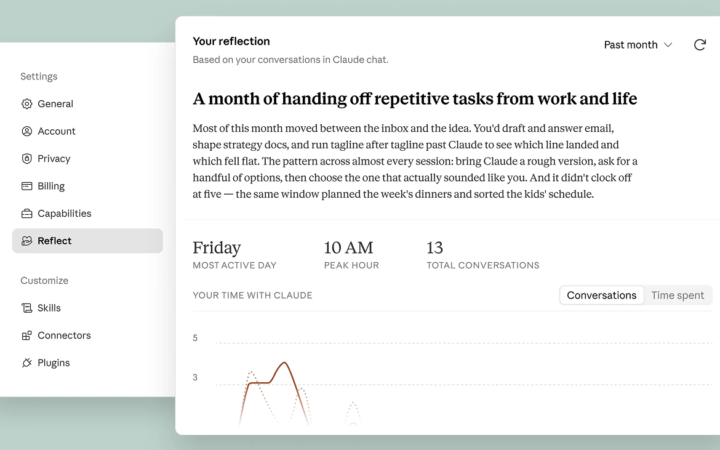
Anthropic launched Reflect, a beta dashboard that shows users how they use Claude and nudges them toward healthier habits, a rare feature that can encourage using the product less.
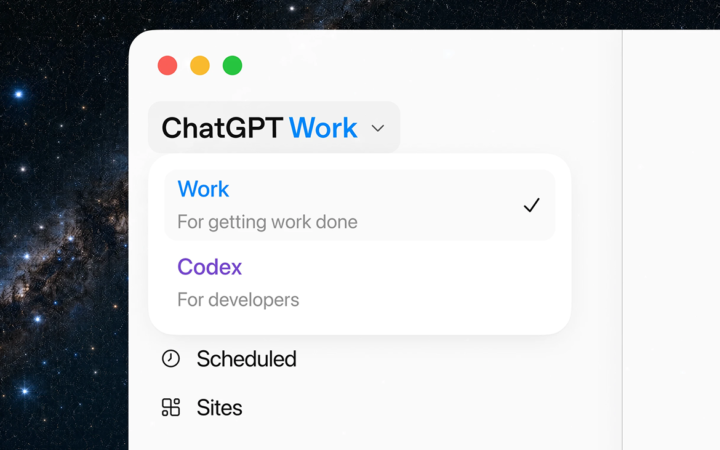
OpenAI launched ChatGPT Work, a GPT-5.6 agent that pulls context from a user’s apps to produce finished docs, slides and sites, as it merges Codex into a unified desktop app.
SpaceXAI released Grok 4.5, a coding and agentic model trained jointly with Cursor that undercuts rivals on price and token use, though it trails Fable 5 on benchmarks.
Meta plans to begin manufacturing its in-house Iris AI chip in September as it aims to double computing capacity to 14 gigawatts next year and cut its reliance on Nvidia.
OpenAI released GPT-Live, full-duplex voice models that listen and speak at once and hand hard questions to GPT-5.5, replacing ChatGPT’s Advanced Voice Mode globally.
Meta will build its first Canadian data center, a 1-gigawatt AI facility in Alberta costing about C$13 billion, powered largely by a dedicated natural gas plant.
OpenAI will release its GPT-5.6 models, Sol, Terra and Luna, to the public on July 9 after clearing US government review far faster than the 30-day window the rules envisioned.